In response to the recent report from the U.S. State Department, Cuban Foreign Minister Bruno Rodríguez Parrilla labeled the criticisms from Washington as “lies” and “provocations,” and accused anti-Cuban sectors of acting “orphaned of support” both within and outside the United States.
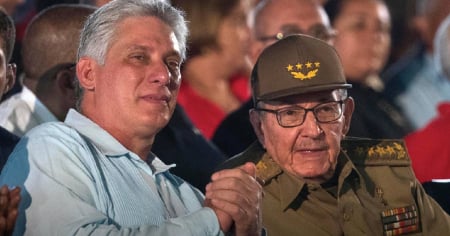
"The disrespectful and irresponsible publications from the Department of State reflect the frustration of anti-Cuban sectors in their inhumane aggression against the people of Cuba," the chancellor wrote on his official account on X, accompanied by an image of Miguel Díaz-Canel and Raúl Castro raising their arms.
Rodríguez stated that the promoters of that policy are "obligated to lie" and use funds from the American taxpayer "to create provocations" and impose an "unjustifiable bilateral confrontation."
His statements come hours after the release of a strong official U.S. report that directly blames the Cuban regime for the severe economic and social crisis the country is facing.
The document, disseminated by the platform ShareAmerica, asserts that “the crisis is not imported, it is fabricated”, and blames decades of corruption, mismanagement, and repression for the collapse of the Cuban economic model.
One of the most shocking pieces of information revealed by the report is that in 2024, the regime allocated more than 37% of the country's total investment to the hotel and tourism sector, more than eleven times what was invested in health and education combined, despite the collapse of hotel occupancy and the urgent need for medications, food, and transportation.
The report directly accuses military conglomerates such as GAESA, FINCIMEX, and CIMEX of benefiting from these public funds, in an economic scheme that favors the ruling elite, while millions of Cubans face a daily humanitarian crisis.
Moreover, Washington warns that the country's assets could be privatized in favor of the same officials who currently control them, following a pattern similar to that of the Soviet collapse.
The reaction of the Cuban chancellor, accompanied by a massive image of support for the regime, seeks to counter the narrative from the United States, which has urged the international community to denounce "authoritarianism, corruption, and nepotism" on the island and amplify the voices of citizens demanding freedom, healthcare, food, and electricity.
“The Cuban people are ingenious and resilient, but not all the ingenuity in the world can overcome systems that prioritize power and propaganda over collective well-being,” concludes the U.S. report.
Meanwhile, in Cuba, the deterioration of basic services continues, along with mass exodus, hopelessness, and the silent rejection of a population that survives between official rhetoric and the harshness of an increasingly difficult reality to disguise.
Filed under: