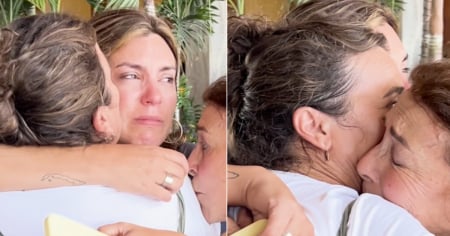
A Cuban citizen who became a nationalized resident in Uruguay reported in a TikTok video feeling excluded and “exposed to public ridicule” following the changes implemented by the Uruguayan government regarding passport formats, which removed the field for “place of birth” and altered the nationality section.
“What are we to you and your government?”, asked Leidis Aguilera, addressing President Yamandú Orsi directly, in a video shared by Montevideo Portal.
"Today we, the migrants, those not born here, make up nearly 4% of the national population and account for 45% of the growth in the country's formal workforce," he stated.
Aguilera, who has been legally residing and working in Uruguay for years, expressed her pain over what she regarded as a decision that erases them as individuals with a migrant history.
“Removing the place of birth from the passport was never part of our request. We fully understand that we were not born in Uruguay and therefore no document should reflect otherwise. However, Uruguay is also our homeland,” he said firmly.
The background of the controversy
In April, the Uruguayan government implemented a new passport format that, in the name of "document improvement," removed the place of birth and unified the nationality section under the code "URY."
The measure caused thousands of naturalized citizens, including many Cubans, to encounter obstacles in processing visas or entering countries like Germany, France, or Japan.
Social and political pressure led the Executive to reverse the decision. Starting August 1, Uruguay has resumed issuing the previous format of the document and will reprint over 17,000 passports free of charge, prioritizing those with imminent travel plans.
But for migrants like Leidis Aguilera, the symbolic damage is already done. Her message is a call to acknowledge the role that migrants play in Uruguayan society and to safeguard their right to a full identity.
“We only ask to work together to ensure that migrants are recognized as an integral part of this country, with the right to identity and mobility,” he insisted.
The passport crisis has generated tensions within the Uruguayan government and strong criticism from the opposition. But fundamentally, for many Cubans who saw Uruguay as a place of refuge and a way out amid the crisis on the island, this episode reopens wounds regarding recognition and integration.
In a country that has gained prestige as a refuge for migrants, the case of Leidis Aguilera gives a face and a voice to a demand that goes beyond paperwork, seeking recognition not only as legal citizens but as human beings with stories, roots, and rights.
Frequently Asked Questions about Changes in Uruguayan Passports and Their Impact on Naturalized Cubans
What changes were made to Uruguayan passports that affected naturalized Cubans?
The Uruguayan government has removed the "place of birth" field and unified the nationality section under the code "URY". This has caused issues for naturalized citizens, including many Cubans, when trying to process visas or enter countries such as Germany, France, or Japan.
How did the Uruguayan authorities respond to the controversy over the change in passports?
The government decided to reverse the change and reprint more than 17,000 passports in their previous format. As of August 1, 2025, the issuance of the previous format was resumed to resolve the problems generated.
What was the reaction of Cuban migrants to these changes in passports?
The Cuban community in Uruguay expressed its discontent, feeling excluded and without full recognition of their identity. Leidis Aguilera, a naturalized Cuban, criticized the measure as an erasure of their migration history and called for a more inclusive recognition of migrants in Uruguayan society.
Why is Uruguay an attractive destination for Cuban migrants?
Uruguay offers stability, job opportunities, and a more accessible integration process compared to other countries. Furthermore, the Cuban community has found in Uruguay a refuge that allows them to improve their quality of life and enjoy greater freedom in contrast to the situation on the island.
Filed under: