
Related videos:
The Uruguayan government announced that it will resume issuing the old format of passports starting August 1, following the controversy caused by the new version implemented in April, which led to migration issues with countries such as Germany, France, and Japan.
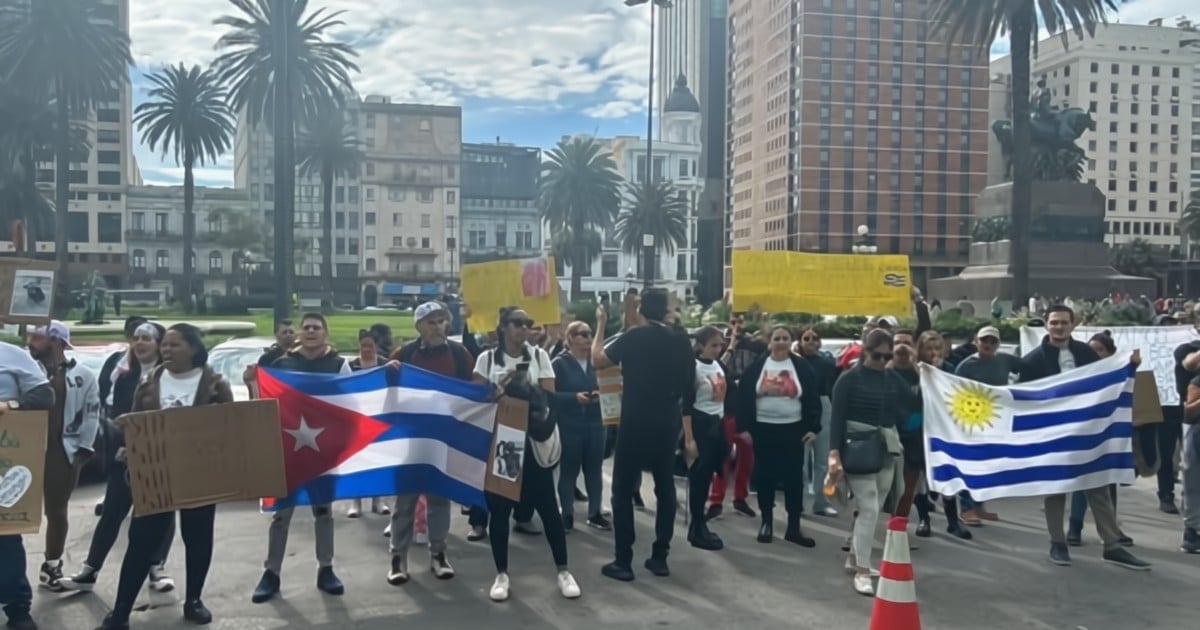
This decision affects thousands of Uruguayan citizens by naturalization, including Cubans residing in the country who have seen their international mobility compromised, according to El País Uruguay.
The change, which removed the field "place of birth" and modified the term "Nationality" to "Nationality/Citizenship" with the code "URY" for all holders, had been promoted by the Ministry of the Interior as a documentary improvement.
However, the lack of immediate recognition by several European embassies resulted in many citizens —including students, tourists, and naturalized professionals— being unable to apply for visas or enter countries in the Schengen area.
Cubans affected and opposition on alert
Among the most affected are Cubans who have acquired Uruguayan citizenship in recent years. Those who planned trips to Europe for family, academic, or work-related reasons, now must manage a new issuance of the document.
In light of this situation, the government confirmed that over 17,000 passports will be reprinted free of charge, prioritizing those who present proof of upcoming travel.
The backward decision generated tensions within the ruling party and direct criticism from the opposition. Senator Sebastián Da Silva and Deputy Juan Martín Rodríguez harshly questioned Foreign Minister Mario Lubetkin for his "arrogance" and lack of foresight. Both requested his resignation over the handling of the case, which they labeled a "serious diplomatic error."
In the midst of the chaos, the government continues to defend the validity of the new document, but acknowledges that a thorough review with international organizations is necessary before adopting a definitive new format.
Meanwhile, for thousands of Cubans and other naturalized citizens, this crisis represents a new obstacle in their process of integration and full exercise of rights as Uruguayan citizens.
For several years, Uruguay has become a destination for Cuban migrants, due to its stability and opportunities, providing a safer and more affordable option amid the ongoing crisis on the island.
Frequently Asked Questions about Passport Changes in Uruguay and Their Impact on Naturalized Cubans
Why did Uruguay decide to change the passport format again?
Uruguay decided to return to the previous passport format due to the immigration obstacles faced by its citizens in countries like Germany, France, and Japan, where the new format was not immediately recognized. This created difficulties for those needing to apply for visas or enter the Schengen area.
How does this change affect Cuban citizens who have been naturalized in Uruguay?
For Cuban nationals in Uruguay, the change of passport represents a barrier to their international mobility. Many of them had planned trips to Europe and will now need to manage the reissuance of the document in order to travel without issues.
What measures has the Uruguayan government taken to mitigate the impact of this change in passports?
The Uruguayan government has decided to reprint more than 17,000 passports free of charge, prioritizing those citizens who present proof of upcoming travel. This aims to alleviate mobility challenges caused by the change in passport format.
What specific changes were made to the new Uruguayan passport format launched in April?
The new passport format has removed the "place of birth" field and unified the terms "Nationality/Citizenship" under the code "URY". These changes aimed to equalize natural and naturalized citizens, but were not recognized by several countries, leading to migration issues.
What criticisms has the Uruguayan government received regarding its handling of the passport situation?
The government has faced criticism from the opposition and internal tensions over what they consider a "serious diplomatic error." Legislators such as Senator Sebastián Da Silva and Deputy Juan Martín Rodríguez have called for the resignation of Foreign Minister Mario Lubetkin due to his handling of the case.
Filed under: