
Related videos:
The U.S. State Department blamed the Cuban regime on Tuesday for losing one of its last reliable sources of electricity due to its “mismanagement of the economy” and the corruption of its officials.
“His officials have stolen so much that the regime doesn't even pay its bills anymore. Investors and suppliers worldwide should take note,” said the Office of Western Hemisphere Affairs of the U.S. Department of State in a message on X
"In the end, it is the Cuban people who pay the true price of the regime's criminal incompetence, enduring even more daily hours without electricity," the statement concluded.
Washington's comment comes after the departure of the Turkish barge Karadeniz Powership, which was anchored at the port of Havana and was part of the floating generation contracted by the Cuban government to alleviate the electrical deficit.
The vessel set sail in early August due to non-payment and other contractual breaches, intensifying the already tense energy situation in the country.
Carlos Fernández de Cossío, Deputy Minister of Foreign Affairs, responded on the same social network, describing the message as “vile and cynical.”
Additionally, he accused Washington of "refusing to address the economic blockade, the enforcement measures, and the persecution of finances and fuel supplies" that, according to Havana, exacerbate the crisis.
The loss of the Turkish barge represents another blow to the already precarious national electrical system, which faces frequent blackouts due to the obsolescence of thermoelectric plants, breakdowns, and a lack of fuel.
Without the contribution of that floating plant, an increase in the daily hours without electricity for the population is expected.
Recently, a question has become common on Cuban social media: How many thermoelectric plants could be built with the 18 billion dollars controlled by the Business Administration Group S.A. (GAESA) of the Revolutionary Armed Forces (FAR)?
The concern was rekindled following the comment by Javier Bobadilla on Facebook, who claims that with that money, Cuba's generative capacity could be “quintupled” and there would still be enough left over to purchase oil.
Frequently Asked Questions about the Electric Crisis in Cuba and the Impact of the Cuban Regime
Why is the Cuban regime responsible for the electrical crisis in Cuba?
The U.S. State Department has pointed out that the electricity crisis in Cuba is a result of the poor economic management and corruption of the Cuban regime. The government has prioritized investments in tourism over essential sectors, leaving the electrical system in a precarious and obsolete state.
How does the departure of the Turkish tanker Suheyla Sultan affect the energy situation in Cuba?
The departure of the Suheyla Sultan barge, capable of generating 240 megawatts, intensifies the energy crisis in Cuba. This ship was one of the last reliable sources of electricity on the island, and its withdrawal, due to the lack of payment from the Cuban government, increases the daily hours without electricity for the population.
What impact does the electricity crisis have on the daily lives of Cubans?
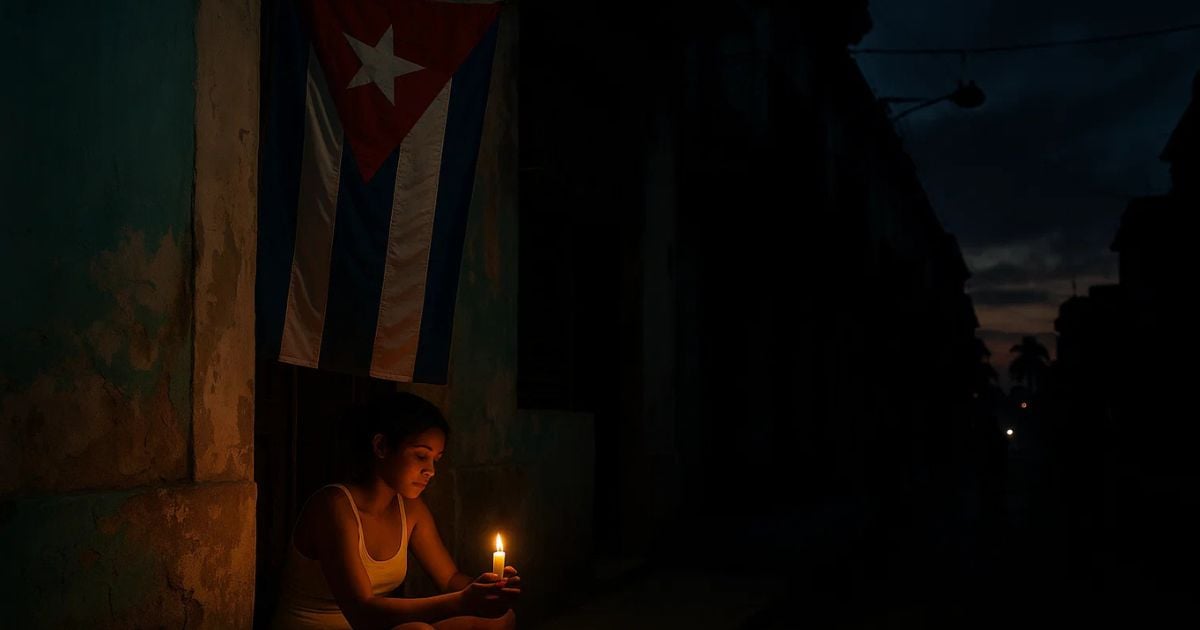
The electricity crisis in Cuba severely affects the population, with prolonged blackouts disrupting the supply of drinking water, preventing food refrigeration, and making cooking difficult due to a shortage of gas. Blackouts are a daily burden that contributes to social discontent and the despair of citizens.
What measures has the Cuban regime taken in response to the energy crisis?
The Cuban regime, through its leader Miguel Díaz-Canel, has acknowledged the seriousness of the situation but has blamed the U.S. embargo without providing a concrete and effective plan to resolve the crisis. So far, no viable solutions have been implemented to alleviate the energy burden on the population.
Filed under: