
Related videos:
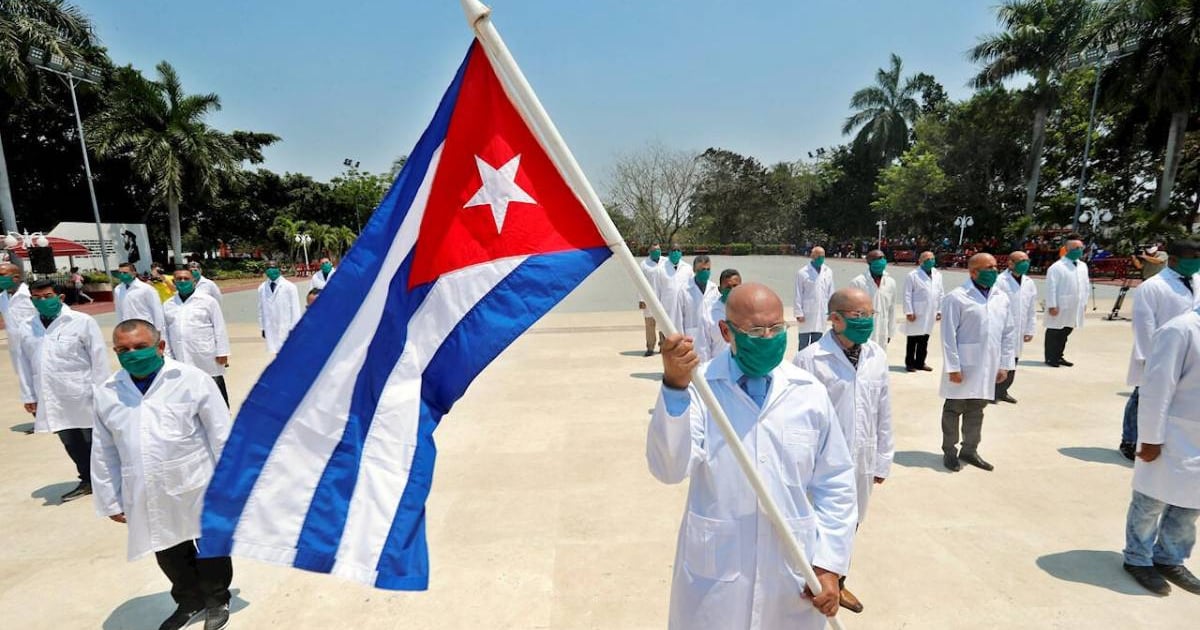
The Cuban regime stated this Wednesday that it will continue sending medical brigades abroad, despite the new sanctions announced by the United States against officials from the island and from other countries linked to this program.
The U.S. Secretary of State, Marco Rubio, announced that Washington will impose visa restrictions on several officials from Cuba, as well as from African countries and Grenada, due to their alleged involvement in a forced labor scheme linked to the export of Cuban medical services.
In response, from the Cuban capital, Foreign Minister Bruno Rodríguez Parrilla described the sanctions as "imposition and aggression" and assured that "Cuba will continue to provide" medical services abroad.
In the same vein, Deputy Foreign Minister Carlos Fernández de Cossío stated that the programs are "absolutely legitimate" and that they "save lives and relieve communities" in dozens of countries.
The Cuban government claims that these are "solidarity missions" and not labor exploitation, and during the latest parliamentary session, it was revealed that more than 24,000 healthcare workers are currently fulfilling contracts abroad.
However, various reports with testimonies from doctors involved in these programs contradict the regime in Havana.
Washington and various international organizations maintain that Havana uses doctors and other health professionals as a tool for political influence and a source of income, under conditions that violate international labor standards.
In a message posted on the social network X, Rubio accused "complicit officials of the Cuban regime" of organizing and maintaining these missions under coercive working conditions, and warned the governments that hire them that "they should think twice" before proceeding with such agreements.
The measures announced by the United States are part of a broader strategy to pressure the Cuban regime and its allies in order to dismantle what it considers an international network of forced labor.
In June, Washington had already imposed similar restrictions against Central American officials linked to the hiring of Cuban doctors.
Despite the criticisms and sanctions, the island’s government has reiterated that it will not give up one of its most profitable and emblematic programs, which is key for the influx of foreign currency and its international projection.
Frequently Asked Questions about U.S. Sanctions on Cuba Regarding Medical Missions
Why did the United States impose sanctions on Cuban officials related to medical missions?
The United States imposed sanctions on Cuban officials due to their alleged involvement in a forced labor scheme related to the export of Cuban medical services, which, according to Washington, violates international labor standards.
What arguments does the Cuban government use to defend its medical missions abroad?
The Cuban government defends its medical missions as "solidarity missions" that save lives and relieve communities in dozens of countries. It asserts that the conditions are legitimate and comparable to the international cooperation practices of other entities, such as the UN.
What reports exist regarding the working conditions of Cuban doctors abroad?
Reports about the working conditions of Cuban doctors include passport retention, partial salary payments, and movement restrictions, which are considered a form of forced labor.
How does the export of medical services economically affect the Cuban regime?
The export of medical services is a key source of income for the Cuban regime, generating more than 4.9 billion dollars annually, which is crucial for its economy and international standing.
What is the stance of other countries regarding Cuban medical missions?
Some countries, particularly in the Caribbean, advocate for Cuban medical missions as they view them as essential to their healthcare systems, even at the expense of losing access to U.S. territory due to U.S. sanctions.
Filed under: