
Related videos:
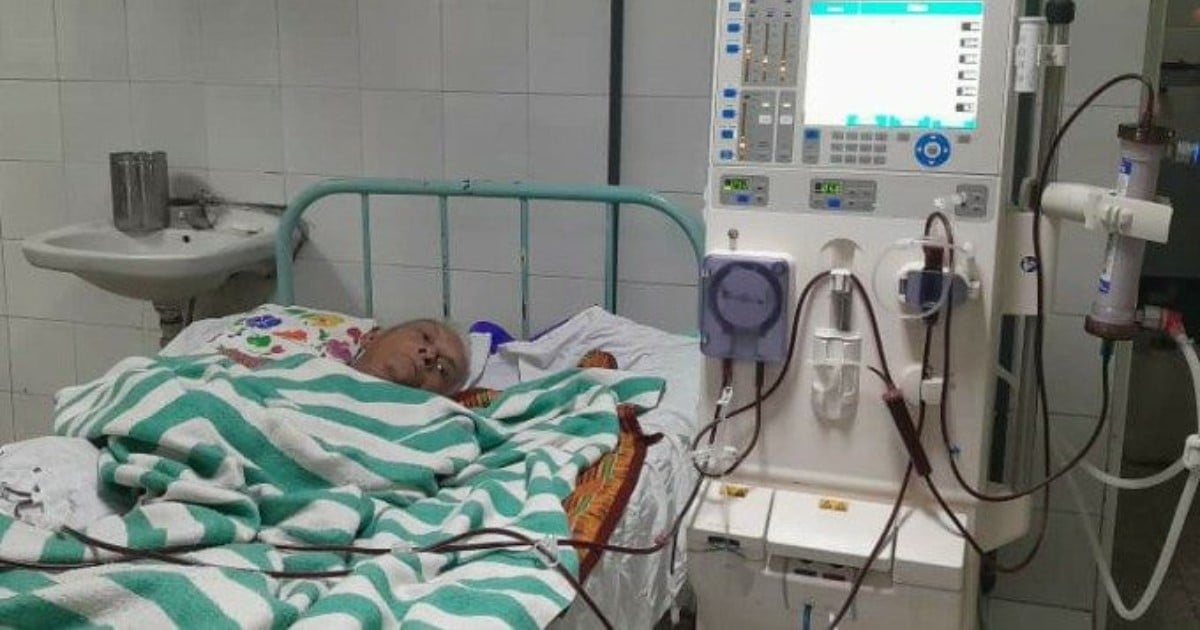
A Cuban doctor, mother of a patient undergoing hemodialysis at the Celia Sánchez Manduley Hospital in Manzanillo, Granma, harshly condemned the institutional neglect faced by the sick, who are victims of frequent interruptions to their medical treatment and the lack of willingness from authorities to resolve the issue, putting their lives at risk.
“We deserve respect,” were the two words with which Dr. Roselin Moreno concluded a powerful post published on her Facebook profile last Saturday, following yet another suspension of hemodialysis for patients due to the lack of sodium bicarbonate, essential for carrying out the medical procedure.
With evident indignation, the Cuban mother decided to set aside her reluctance to post on social media to bring attention to a situation that has already "gone too far" and affects her personally.
He revealed that on that day the procedure was not performed on the hospital patients due to a lack of bicarbonate, despite the fact that "everyone knows what it means for them to stop receiving treatment when the weekend comes, and they won’t have any more treatment until Tuesday."
The doctor listed multiple medical complications that people with kidney diseases suffer from over the years, which can include cardiovascular issues, acute pulmonary edema, chills, fever, fluctuations in blood pressure, hypoglycemia, bleeding from fistulas, catheter-related infections, hepatitis, and other conditions that exacerbate their situation.
“I wonder how long we are going to keep enduring that, every time we arrive for treatment, there is no water or no concentrate or no bicarbonate or no dialyzers or that they started late because there are no cleaning assistants,” he questioned.
"What is lacking is human sensitivity", he stated. "It is a disrespect towards those patients and their families".
Moreno reported that, despite the repeated appeals made to the leaders of Manzanillo, "they do not solve the problem, nor does health, nor the party, nor the government, nor EMCOMED [Marketing and Distribution Company of Medicines], and the easiest thing was to tell the patients to go home because there is no bicarbonate."
For such reasons, it was announced that the first secretary of the Party in Granma and those involved in the Nephrology program are being called to a meeting with patients and their families, “not to hear justifications because I believe that the greatest blockade is the one we have internally due to the lack of organization that exists.”
The claim of this mother and doctor from the Granma province reveals, once again, the severe deterioration of the healthcare system in Cuba, characterized by the lack of medications and supplies, delays in surgeries and other treatments, poor infrastructure conditions, and institutional neglect.
The crisis was acknowledged in July of this year by the Minister of Public Health, José Ángel Portal Miranda, before the National Assembly of People's Power.
Portal admitted that the healthcare system is undergoing an "unprecedented structural crisis", with only 30% of the basic medication stock covered and hospitals facing serious organizational and material deficiencies.
The minister presented the alarming state of public health in Cuba and cited among other issues, the shortage of medical supplies, the exodus of professionals, the increase in maternal and infant mortality, and corruption within hospital institutions. However, following the official script of the regime, he attributed the situation to the United States embargo, without mentioning the internal failures of the system.
Frequently Asked Questions about the Health System Crisis in Cuba
What problems does the hemodialysis system face in Manzanillo, Granma?
The hemodialysis system in Manzanillo, Granma province, faces frequent interruptions due to the lack of essential supplies such as sodium bicarbonate and dialyzers. This situation puts the lives of patients at risk, as they depend on this treatment to survive. Additionally, there are issues with water supply, concentrates, and cleaning staff, which delays or cancels necessary medical procedures.
Why is it considered that the healthcare system in Cuba is in crisis?
The Cuban Minister of Public Health has acknowledged an "unprecedented structural crisis" in the healthcare system, with only 30% of the essential medication list covered and significant organizational and material shortages in hospitals. The lack of medical supplies, the exodus of professionals, and the increase in maternal and child mortality are some of the issues exacerbating the situation.
What impact do reports of abandonment and medical negligence have in Cuba?
Reports of abandonment and medical negligence expose the serious deficiencies and deterioration of the Cuban healthcare system. Cases like that of Damir Ortiz and other patients reveal the lack of accurate diagnoses, inadequate treatments, and shortages of medications, leading many to seek medical care abroad. Despite the regime's efforts to downplay these reports, discontent among healthcare professionals and the general population continues to grow.
How does corruption affect the healthcare system in Cuba?
The corruption in the Cuban healthcare system contributes to the scarcity of resources and the deterioration of medical services. Cases of theft of medications and supplies by sector workers, such as the nurse from the Celia Sánchez Manduley Hospital, reflect a recurring problem that impacts the availability of drugs for patients. The lack of oversight and control exacerbates this situation.
Filed under: