
Related videos:
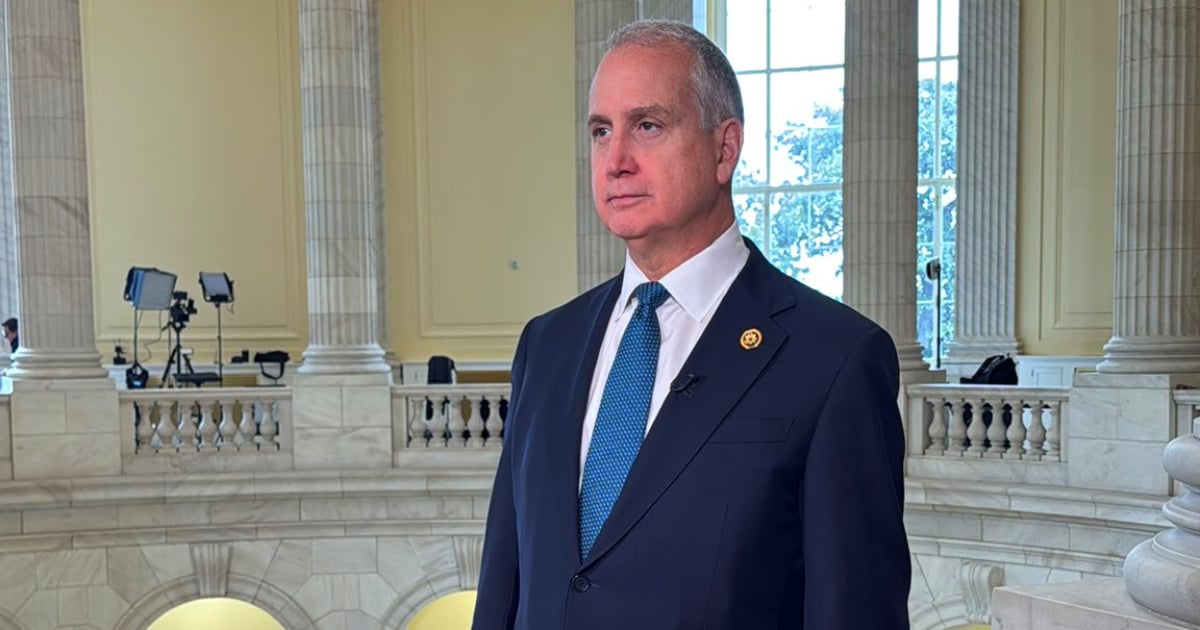
The Cuban-American congressman Mario Díaz-Balart said that the increase in deportations of Cubans is related to their belief in the false promise made by the Biden Administration.
In an interview with Mario J. Pentón for Martí Noticias, Díaz-Balart stated that these were "artificial legalizations" that are now collapsing.
"Today, those people are being arrested or deported, despite having believed in a false promise," he added.
For the congressman, Donald Trump “has been the best ally we have had” in the fight for a democratic Cuba.
Díaz-Balart stated that the president is taking concrete steps to restore the rule of law in immigration matters and to firmly confront the authoritarian regimes in Cuba, Venezuela, and Nicaragua.
He also mentioned his recently presented budget proposal for the fiscal year 2026, which includes 35 million dollars for democracy programs in Cuba and an additional 40 million for Radio and TV Martí operations.
"This is the strongest legislation in decades against Castroism. It includes sanctions against those who profit from the forced labor of Cuban doctors, denies visas to repressors, and demands that our European allies pressure the regime," he said.
Cuban-American lawmakers have faced criticism recently for their lukewarm stance on the deportations carried out by the Trump Administration.
Last week, a group of activists and residents from South Florida gathered in front of the district offices of Congress members María Elvira Salazar and Carlos Gimenez to demand a change in their stance on the immigration and social policies promoted by their party.
The protesters denounced the lack of opposition from lawmakers to the agreements between Florida police and the federal agency ICE, which have led to increased collaboration in detaining migrants.
It has also been questioned that, despite their efforts, they could not prevent the authorization for Chevron to resume its oil extraction operations in Venezuela.
Last Thursday, Díaz-Balart, Carlos Giménez, Mario, and María Elvira Salazar, avoided any criticism of President Trump after he issued the authorization to Chevron.
Instead of questioning Trump's apparent shift, the three lawmakers shared the same message—word for word—on the social media platform X (formerly Twitter), where they defended the president as a strong leader against the authoritarian regimes of the Western Hemisphere and claimed that chavismo "will not receive benefits."
Frequently Asked Questions about Deportations of Cubans and Immigration Policies in the U.S.
Why are the deportations of Cubans from the U.S. increasing?
The increase in deportations of Cubans is related to the belief in false legalization promises by the Biden Administration, according to Congressman Mario Díaz-Balart. These "artificial legalizations" are collapsing, resulting in arrests and deportations.
What is Mario Díaz-Balart's stance on Donald Trump's immigration policies?
Mario Díaz-Balart strongly supports Donald Trump's immigration policies, describing him as the best ally in the fight for a democratic Cuba. Díaz-Balart advocates for concrete measures to restore the rule of law in immigration matters and confront authoritarian regimes.
What measures is Mario Díaz-Balart proposing to support Cuban migrants?
Mario Díaz-Balart is working with the Trump Administration to find a legal solution for Cubans with form I-220A and other political exiles. He seeks to create legal pathways for legalization and advocates for the protection of those facing political persecution.
How does the revocation of humanitarian parole affect Cubans in the U.S.?
The revocation of humanitarian parole leaves thousands of Cubans at risk of deportation, despite having entered the country legally. These migrants must seek other forms of immigration protection to avoid being deported, as the benefits they had under parole have been canceled.
What actions are Cuban-American lawmakers taking regarding the migration situation?
Cuban-American congress members are working to find legal solutions for migrants affected by the revocation of humanitarian parole. Mario Díaz-Balart, Carlos Giménez, and María Elvira Salazar are in dialogue with the Trump Administration, seeking to protect those who cannot return to their home countries due to political persecution.
Filed under: