
Related videos:
The state media has once again positioned the noni as the main character in "natural health" in Cuba, at a time when hospitals and pharmacies lack basic medications for the population.
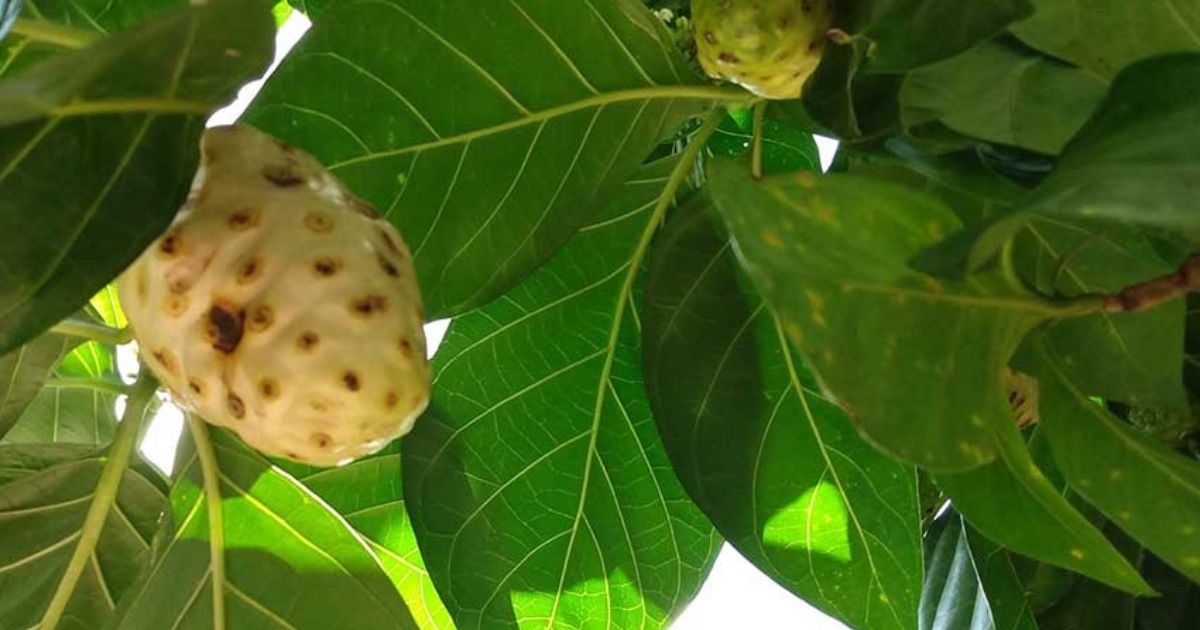
The Periódico 26 from Las Tunas, the provincial organ of the Communist Party, dedicated a journalistic piece to the fruit known as Morinda citrifolia, praising its supposed immune-stimulating benefits and its use in family gardens and urban orchards.
The text recalls how in the 1990s noni was considered a "miracle fruit" for its alleged properties against hypertension, diabetes, migraines, and even some types of early-stage cancer, based on research from Asia.
However, the same newspaper acknowledges that the fruit "has been forgotten," following an intense campaign by the regime to introduce it into households, and today it survives in popular memory.
The reappearance of noni in the state press contrasts with the harsh current reality: long lines to obtain painkillers, antibiotics, or antihypertensives, with patients forced to turn to the informal market or rely on shipments from abroad.
Beyond the propaganda, the glorification of noni serves as a reminder of how the chronic shortage of medications has forced Cubans to repeatedly turn to natural remedies as an alternative to a healthcare system in crisis.
This "nostalgia" comes just a few days after the University of Oriente in Santiago de Cuba also dedicated a "longing" to another of the regime's "miraculous" initiatives: moringa.
The higher education institution defended moringa on its social media as a superior food from the University of Oriente, highlighting its numerous nutritional properties, while the population suffers one of the worst food crises in its history.
The institution compared its contributions to everyday food items and asserted that it contains more protein than yogurt, more calcium than milk, and more iron than spinach, statements that evoke the enthusiasm of the dictator Fidel Castro when he spoke in the past about the marvelous plant.
Frequently Asked Questions about the Situation of Medications and Food in Cuba
Why is noni promoted as a health solution in Cuba?
Noni is promoted as a natural alternative in response to the chronic shortage of medications in Cuba. The official press praises its supposed immune-stimulating benefits, despite the lack of solid scientific evidence supporting its effectiveness against serious ailments. This approach reflects the regime’s attempt to use natural medicine as a solution to the crisis in the healthcare system.
What is the context in which moringa is promoted in Cuba?
The promotion of moringa as a "superfood" occurs in a context of severe food crisis in Cuba. The University of Oriente emphasizes its nutritional properties as a strategy by the regime to provide alternatives in the face of basic food shortages. However, this promotion stands in stark contrast to the reality of the population, which struggles to access essential products.
What does the official press say about the shortage of medications in Cuba?
The state-run media promotes natural and traditional medicine as a solution to the shortage of medications, highlighting natural syrups as substitutes for industrial drugs. However, this strategy is criticized for not addressing the structural causes of the crisis, such as the collapse of the healthcare system and the lack of essential medications in pharmacies and hospitals.
How does the energy crisis affect daily life in Cuba?
The energy crisis in Cuba has led to prolonged power outages, affecting daily activities such as cooking and resting. The population is resorting to outdated methods such as wood-fired cooking. This situation reflects the deterioration of basic services and the lack of effective solutions from the government, which focuses on romanticizing precarity rather than addressing the underlying issues.
Filed under: