
Related videos:
The warning from immigration attorney Rosaly Chaviano has raised alerts among Cubans living in the United States: “If you are not a U.S. citizen, it's better not to travel,” she stated, regarding the legal risks faced by those who have not yet obtained citizenship.
In an interview with Telemundo 51 Miami, the expert explained that although the law does not prohibit residents who obtained their status through the Cuban Adjustment Act from traveling to the island, the situation is different for those who received refugee or political asylum, as they are barred from returning to the country of persecution.
However, Chaviano reminded that immigration officials at airports have the authority to declare any person without U.S. citizenship inadmissible, even if they hold legal residency, and that decision can lead to the loss of immigration status or the initiation of a deportation process.
The lawyer also insisted that within airport jurisdiction, travelers do not have the right to immediate legal representation, which leaves the duty officer with the power to make decisions that can change a family's life.
For this reason, he emphasized, the most prudent recommendation is to postpone trips to Cuba until one has U.S. citizenship.
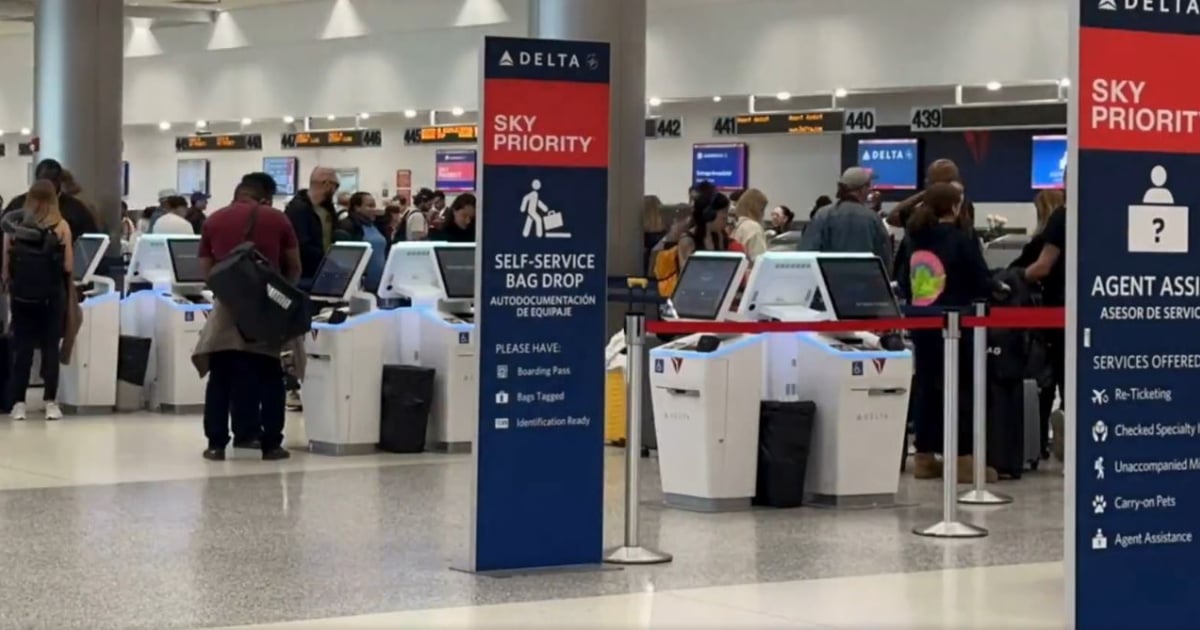
His warning is based on the recent case of Heidy Díaz Sosa, a Cuban resident in the United States who traveled to the island with her husband and, upon returning through Miami International Airport, was detained for nearly four hours by immigration officials.
According to what he reported on social media, they examined his electronic devices and warned him that he would not be able to return to Cuba.
"They told me it was the first and last time, and they put me in the system that I can no longer enter Cuba," he stated.
The testimony, circulated by various media outlets, generated concern among Cuban residents with permanent status in the country, who fear becoming subject to similar measures.
Recently, immigration attorney Patricia Hernández explained that each time a permanent resident leaves the country and reenters, they risk having their immigration status evaluated by a CBP officer.
"Whenever a permanent resident arrives at a port of entry, they may be subjected to deportation proceedings if the officer finds them inadmissible or deportable," Hernández noted.
The risk increases for those who originally entered through the border and received humanitarian parole, with which they later adjusted their status.
"If they return to Cuba afterwards, the officials may interpret that there was fraud: 'The benefit of the parole allowed you to obtain residency, but if you repeatedly go back to the island, the official may consider that you lied and revoke your status,' he warned."
Frequently Asked Questions about Travel Restrictions to Cuba for Cuban Residents in the U.S.
Why is it not advisable for Cuban residents in the U.S. to travel to Cuba?
The immigration attorney Rosaly Chaviano warned that Cuban residents in the U.S. who are not citizens risk being deemed inadmissible upon returning from Cuba, which could lead to the loss of their immigration status or even a deportation process. Therefore, it is recommended not to travel to Cuba until obtaining U.S. citizenship.
What problems do Cubans face when they enter the U.S. through the border and then travel to Cuba?
Cuban nationals who entered the U.S. through the border and obtained residency via humanitarian parole or the Cuban Adjustment Act may be questioned if they return to Cuba, as this could be interpreted as fraud by immigration authorities. Frequent trips to Cuba may lead to the revocation of immigration status.
What rights do Cuban permanent residents have when returning to the U.S. from Cuba?
Although permanent residents have certain rights when returning to the U.S., such as the ability not to answer questions without a judge present, they may be subjected to secondary inspections and questioning at airports, which can delay their entry into the country.
What can Cubans regulated by the Cuban regime do to return to the U.S.?
Cubans who have been regulated and cannot leave Cuba must document every step and contact legal representation as soon as possible. It is vital to avoid staying long periods outside the U.S. to not jeopardize their permanent residency.
Filed under: