
Related videos:
The Unión Eléctrica (UNE) announced on Thursday that the National Electric System (SEN) is once again facing a capacity shortfall in generation, which will lead to prolonged interruptions throughout the day.
According to the official statement on Facebook, the current state of the SEN is precarious, with a capacity of 1,970 MW against a demand of 3,315 MW, resulting in a current shortfall of 1,360 MW, the entity stated.
By noon, the impact will be 1,420 MW and during the peak period, it will be 2,240 MW against an estimated demand of 3,800 MW, resulting in a deficit of 1,580 MW and an impact of up to 1,630 MW.
The UNE warned that the situation will remain critical and recommended that the population organize their electricity consumption to cope with the blackouts that will affect a large part of the national territory.
On Wednesday, there were interruptions lasting 24 hours, with a maximum impact of 1869 MW at 8:50 PM, a figure higher than expected due to the outage of unit 6 at the Nuevitas Thermoelectric Power Plant.
The 25 operational photovoltaic solar parks contributed a total production of 2506 MWh, reaching a maximum power output of 544 MW at noon.
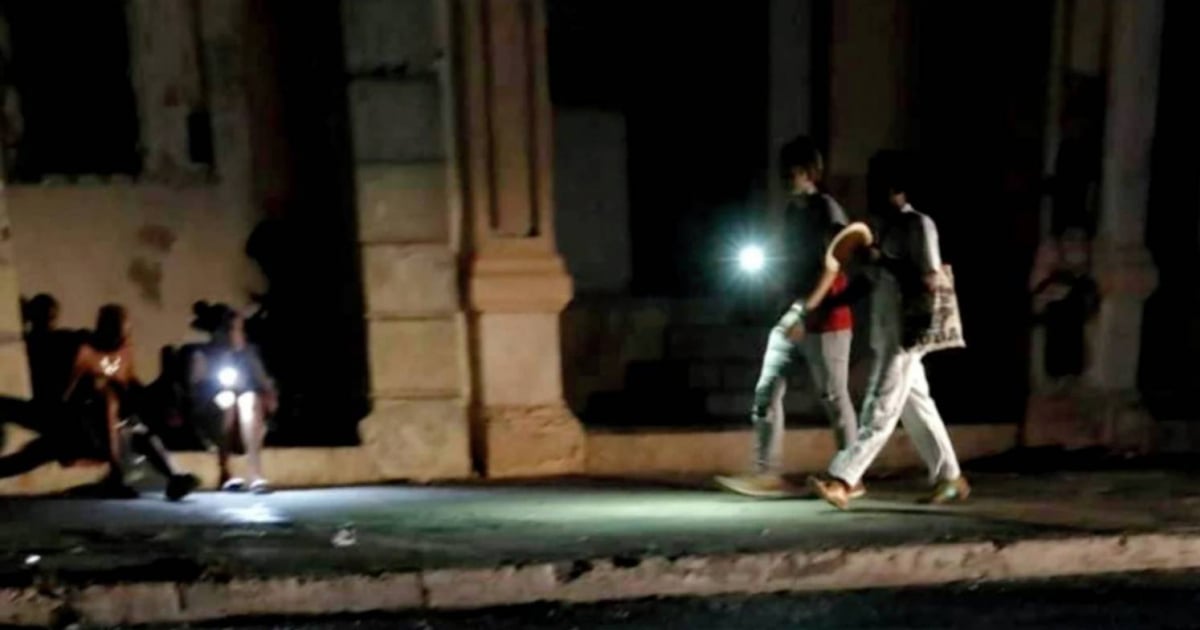
This announcement comes as the population experiences blackouts of up to 30 hours.
Thousands of Cuban families say they are desperate and living in agony, struggling even to preserve the food that is hard for them to obtain.
This is compounded by the water shortage affecting thousands of Cuban households. The day before, residents of Reina Street in Centro Habana went out to protest after several days without access to potable water.
Frequently Asked Questions about the Energy Crisis in Cuba
Why are blackouts occurring in Cuba?
Power outages in Cuba are due to a deficit in electrical generation. The National Electric System (SEN) is unable to meet demand because of breakdowns in thermoelectric plants, inadequate maintenance, and a lack of fuel. These issues are compounded by outdated and poorly managed infrastructure.
What is the extent of the electricity deficit in Cuba?
The electrical deficit in Cuba is significant, reaching figures around 1,500 to 1,800 MW on different days. This leads to prolonged blackouts and severely impacts the daily lives of Cubans. Demand far exceeds the available generation capacity, which exacerbates the situation.
What measures is the Cuban government taking to address the energy crisis?
The Cuban government has promised the incorporation of new solar parks and the improvement of existing infrastructure, but these measures have not been sufficient to resolve the current energy crisis. The lack of investment in infrastructure and the dependence on non-renewable energy sources remain significant obstacles.
How do power outages affect the Cuban population?
Blackouts severely impact the quality of life in Cuba. They interrupt daily activities, complicate food preservation, affect the operation of businesses, hospitals, and schools, and create an atmosphere of frustration and despair among citizens.
Filed under: