
Related videos:
The National Bus Company (EON) announced the launch of a new digital payment system through QR code scanning via the Transfermóvil and EnZona gateways, as reported this Thursday by the official media Cubadebate.
The mechanism is now available to pay for excess luggage, custody services, and soon, on buses. The Ministry of Transport (MITRANS) and the state company assure that this measure aims to modernize and streamline services, reducing the use of cash at terminals and buses across the country.
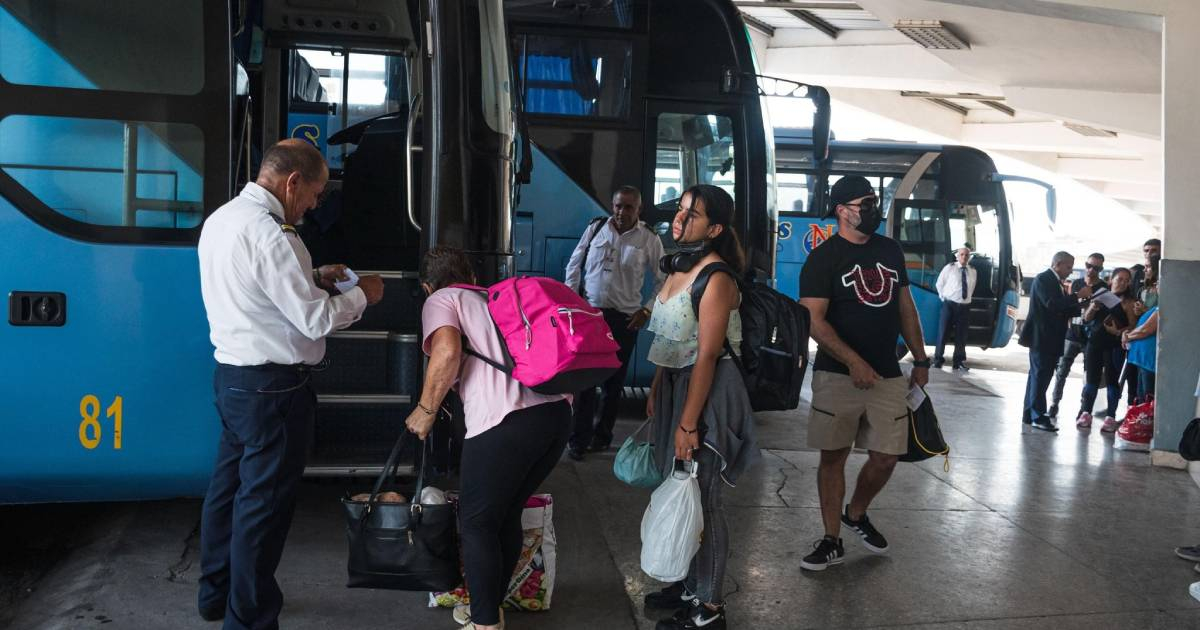
However, the news arrives amid a situation where interprovincial transportation is barely managing to sustain itself. The company itself acknowledged at the beginning of 2025 that it operates with only 36% of the trips it made in 2019, being impacted by a lack of fuel, parts, and financing, which leads to constant delays, cancellations, and buses out of service due to breakdowns.
In provinces like Sancti Spíritus, getting a ticket has become a torment of endless lines, failed applications, and bribes, while drivers and employees profit from the illegal resale of tickets.
And in Mayabeque, a recent "digital advancement" consisted of the driver scanning the passengers' cards with their mobile phone, an improvised solution that reflects the lack of technological infrastructure in the sector.
The contrast also extends to other transportation companies. In Viazul, for example, tickets can only be paid for in euros using international Visa or MasterCard credit cards, a practice that excludes most Cubans on the island, despite the service being more reliable than that of Ómnibus Nacionales.
This dollarization of interprovincial transportation exists alongside the structural crisis of state-run buses, where it is not even guaranteed that the bus will depart on time.
While the government boasts of “modernization” with digital platforms, Cubans face daily the reality of overcrowded terminals, endless waiting lists, and buses that do not arrive.
For many travelers, the question is not how to pay faster, but whether the bus will show up.
Frequently Asked Questions about the new payment system for Ómnibus Nacionales in Cuba
What is the new digital payment system of Ómnibus Nacionales in Cuba?
The new digital payment system of Ómnibus Nacionales allows users to make payments by scanning QR codes using the Transfermóvil and EnZona gateways. This system aims to modernize and streamline transportation services, reducing cash usage at terminals and buses across the country.
What are the main limitations of interprovincial transport in Cuba?
Interprovincial transportation in Cuba faces significant limitations due to a lack of fuel, spare parts, and financing, resulting in constant delays, cancellations, and an operational capacity reduced to 36% of the trips that were made in 2019. This situation creates an environment of endless lines and difficulties in obtaining tickets.
How does dollarization impact transportation in Cuba?
The dollarization of transport, especially in services like Viazul, excludes the majority of Cubans who do not have access to euros or international cards, limiting their ability to use these services. This phenomenon adds to the crisis of state public transport, where the infrastructure and services are insufficient and unreliable.
What challenges does the implementation of electronic payments face in Cuba?
The implementation of electronic payments in Cuba faces technical, economic, and cultural challenges, such as the lack of adequate technological infrastructure, distrust in technology, and a preference for cash due to connectivity issues and the inefficacy of digital payment systems.
Filed under: