
Related videos:
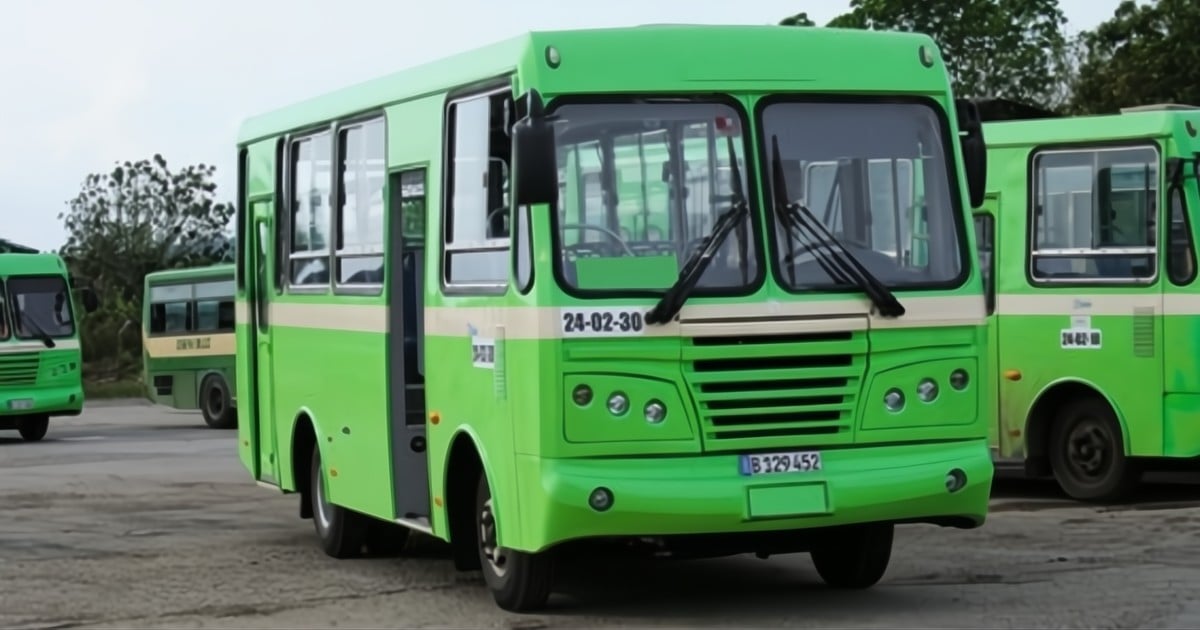
In a country where "digital" is still in its infancy, Mayabeque is embarking on modernizing public transportation payments with an electronic payment system that requires nothing more than a prepaid card and the driver's cellphone.
According to the official source Cubadebate, this is the second pilot test of the Automated Fare Collection System for Public Buses, which is being conducted on the San José–University route, from June 28 to mid-July.
The system uses the Transpago application, developed by the GeoMix Agency (part of the GeoCuba Business Group, affiliated with the regime), and promises to make billing cheaper and more efficient.
Unlike other models installed in Havana or Santiago de Cuba, there are no turnstiles or integrated scanners on the bus: the driver takes out their cellphone or tablet, scans the card, and that's it, which, in the Cuban context, is undoubtedly a significant advancement.
Although it may seem like a makeshift solution at first glance, the authorities present it as a viable and low-cost alternative in a context where there is no funding for technological infrastructure, but there is an urgent need to better manage the service, largely due to the lack of cash.
In addition to modernizing collection, this tool is expected to help measure public transport indicators more accurately, prevent improper charges, and reduce payment evasion, which is not insignificant in a country where many passengers still board through the rear door without paying, stated Cubadebate.
The project was conceived by Andy Izquierdo Rodríguez, a specialist at the Management and Supervision Center of the Mayabeque Transport Company, alongside the director of that entity, Yoendy Vasallo Camacho.
The solution operates on the MovilWeb platform and integrates with the national Fleet Management and Control System implemented in Cuba since 2006, although with varying results.
As the tests progress, the commercial distribution of prepaid cards is being prepared, which will be available at Correos de Cuba, points of Interior Commerce, and with authorized teletransport agents.
That said, for now, traditional cash payments remain available, so passengers can choose between technology or coins, if they have them.
The measure, which could be implemented permanently in September, does not address the structural issues of transportation in Cuba: lack of buses, deterioration of the fleet, instability in schedules, and precarious wages for drivers.
But at least it digitizes the payment, even if it's just with the driver's personal mobile phone. Previously, in 2023, the regime boasted about this "innovation", and at that time the system was widely criticized.
Frequently Asked Questions about Electronic Payment on Mayabeque Buses
How does the electronic payment system work on buses in Mayabeque?
The electronic payment system on the buses in Mayabeque uses the Transpago application, developed by the GeoMix Agency. Passengers must have a prepaid card that the driver scans with their cell phone or tablet, making fare collection easy without the need for advanced technological infrastructure.
What are the advantages of using the electronic payment system in public transportation?
The electronic payment system promises to make transactions cheaper and more efficient, as well as to allow for better control of the service by preventing unauthorized charges and reducing payment evasion. It also aims to modernize public transportation in Cuba, a country with serious limitations in technological infrastructure.
What challenges does the implementation of electronic payment face in Cuba?
Although electronic payment is an advancement, it does not address structural problems of transportation in Cuba, such as the lack of buses, the deterioration of the vehicle fleet, and the instability of schedules. Additionally, technological distrust and economic and cultural limitations are also significant obstacles.
Filed under: