
Related videos:
The province of Ciego de Ávila has reported over 5,000 cases of febrile syndromes so far this year, with confirmed circulation of dengue, chikungunya, and the detection of one case of Oropouche, in a concerning situation due to the sustained increase over the past 10 weeks.
The municipalities of Ciego de Ávila, Morón, Ciro Redondo, and Majagua have the highest incidence, with the first two at the top of the daily average of cases.
Despite the increase, health authorities assured that there have been no deaths from dengue and there are no patients in serious or critical condition admitted to public health units, reported the official newspaper Invasor.
The laboratory diagnosis confirmed the circulation of serotype 3 of dengue, in addition to chikungunya.
A suspicious case of Oropouche was reported in Chambas, while a contagion was confirmed in Morón, the media outlet indicated.
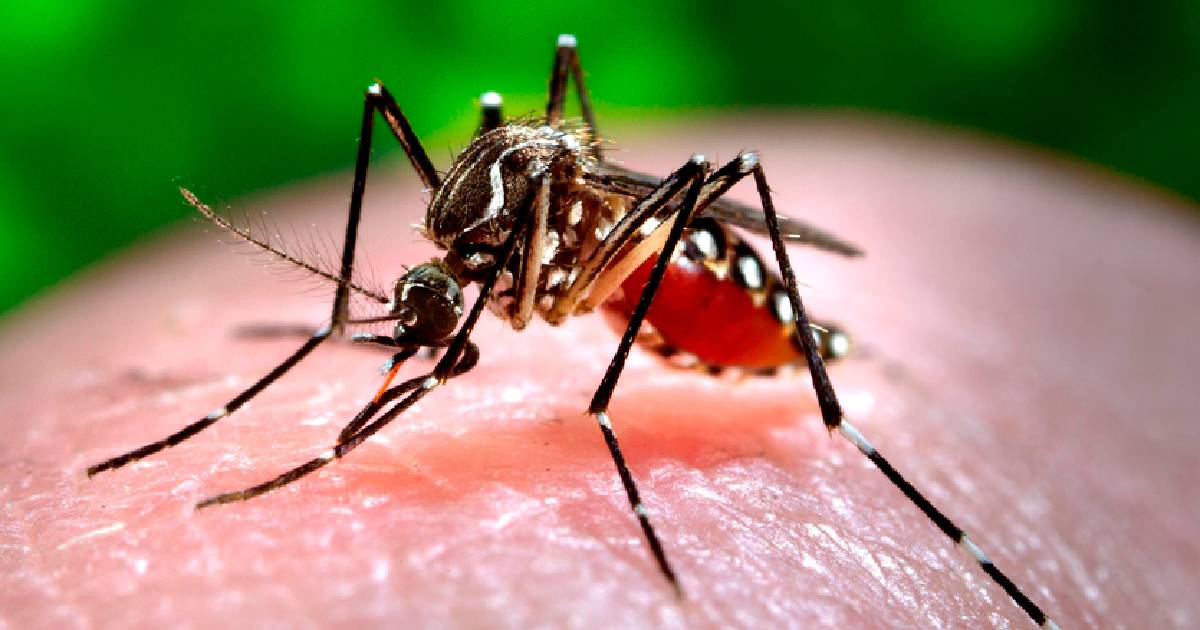
The official strategy emphasizes that the primary responsibility falls on the population, which must immediately seek medical attention for any fever-related symptoms and maintain a family and workplace focus on eliminating Aedes Aegypti mosquito breeding sites. This includes covering water storage containers, puncturing plant pots, and disposing of objects that can collect rainwater.
In parallel, Acute Diarrheal Diseases are showing a decrease compared to the previous year, as by the end of July, 1,985 medical cases were reported, a figure lower than the 4,067 reported in the same period of 2024.
Nevertheless, 37.4% of cases required hospitalization, and more than half were among children under 15 years old.
The risk classification places Morón, Primero de Enero, and Venezuela as the municipalities with the highest vulnerability, while Florencia and Majagua are classified as medium risk.
Although the numbers show some improvement, the current weather conditions are conducive to a resurgence, so it is urged not to let one's guard down.
The epidemiological situation reveals increasing pressure on the population of Avilés, which, amid calls for prevention and rising numbers, faces a scenario marked by health fragility and the need for a joint effort to contain diseases.
The Ministry of Public Health (Minsap) confirmed on August 20 that there is active transmission of chikungunya in the municipality of Perico, Matanzas, where high levels of mosquito infestation persist, keeping the population on alert.
According to Dr. Francisco Durán, director of Epidemiology at Minsap, cases of chikungunya have been reported in the area, with no fatalities or severe patients. However, he stated that the symptoms, especially severe joint pain, significantly affect the quality of life of the sick.
In addition to chikungunya, authorities confirmed the circulation of the Oropouche virus in 11 provinces and 24 municipalities across the country.
"Is somewhat more widespread than dengue, although dengue exists in many places, but we are talking about transmission," Durán added.
Although in this case no serious or critical patients have been reported, the specialist reiterated the need to strengthen environmental sanitation and the elimination of breeding sites.
At the same time, dengue is showing greater complexity, with three severe cases and one critical patient hospitalized in intensive care.
The specialist acknowledged the efforts of the fumigation and vector control brigades in Matanzas, but warned that the transmission remains active and requires citizen cooperation.
Likewise, the province of Guantánamo has recorded over 9,000 medical consultations for acute respiratory infections between January and August, an increase compared to the previous year that, according to specialists, is due both to the seasonality of these diseases and to the rise in temperatures, conditions that facilitate the spread of viruses and bacteria.
Amid an extreme heat summer and high viral circulation, the healthcare system in the region is facing increasing pressure, while authorities urge not to underestimate symptoms that could lead to severe cases, especially in at-risk groups.
Hospitals in several Cuban provinces have reactivated their patient care units for symptoms compatible with covid-19, following the admissions of dozens of individuals with respiratory issues.
Although health authorities have not released official figures, medical personnel have confirmed an increase in admissions for symptoms consistent with the XFG variant, a highly contagious strain descended from Omicron, even in asymptomatic individuals, according to reports from the official radio station Radio Mambí.
The situation has led to an urgent call for the use of masks in enclosed spaces, public transportation, workplaces, and places with a high concentration of people.
The Ministry of Public Health (Minsap) warned of a steady increase in acute respiratory diseases, cases of dengue, and hepatitis A in several provinces, as part of an ever more complex national epidemiological landscape.
Frequently asked questions about the increase of diseases in Ciego de Ávila and other Cuban provinces
What is the current situation of mosquito-borne diseases in Ciego de Ávila?
In Ciego de Ávila, more than 5,000 cases of febrile syndromes have been reported so far this year, with confirmed circulation of dengue, chikungunya, and one case of Oropouche. The most affected municipalities are Ciego de Ávila, Morón, Ciro Redondo, and Majagua.
What measures are the authorities taking to control the outbreak of dengue and chikungunya?
Authorities are focused on eliminating breeding sites for Aedes aegypti mosquitoes through strategies such as covering water containers, drilling pots, and discarding objects that collect water. Additionally, fumigation and vector control efforts have been intensified in affected areas like Matanzas.
Is there a risk of serious complications in current cases of dengue, chikungunya, and Oropouche?
So far, no deaths or critically ill patients have been reported in Ciego de Ávila due to these diseases. However, dengue is more complex in other areas of the country, with some severe cases and one critically ill patient.
How does the climate affect the epidemiological situation in Cuba?
Current weather conditions, such as extreme heat and rainfall, are conducive to the spread of mosquito-borne diseases like dengue and chikungunya. These conditions also contribute to the rise of acute respiratory infections in several provinces.
Filed under: