
Related videos:
An apparently trivial anecdote has become a symbol of the tourist and economic collapse in Cuba.
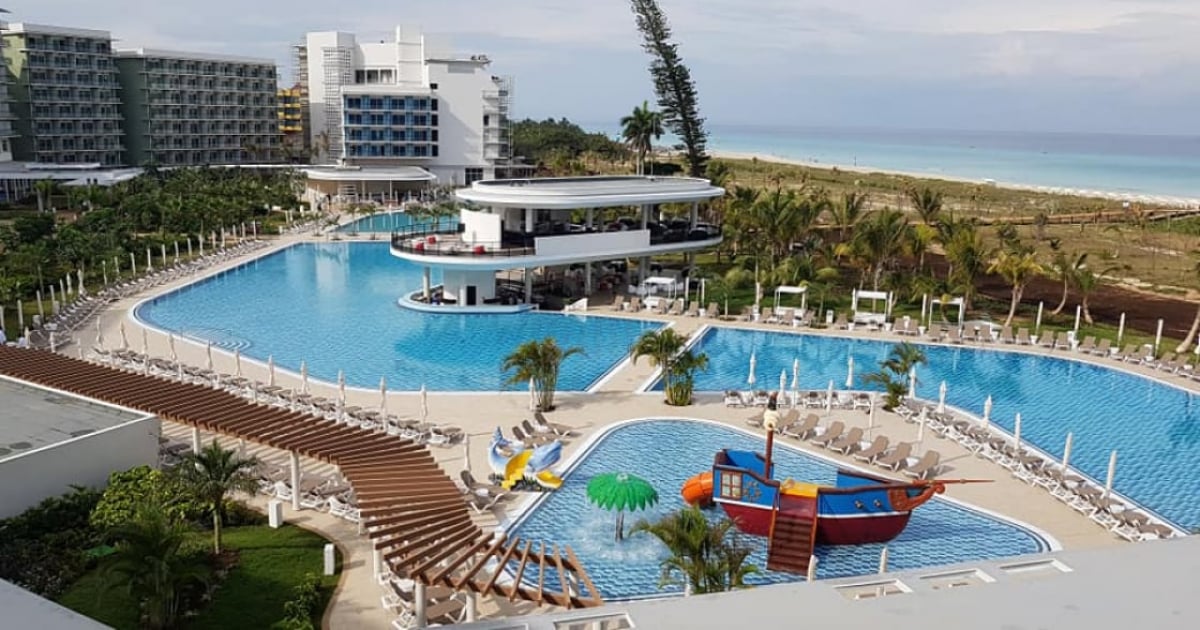
The Spanish journalist Ángel Expósito, program director of the radio network COPE, recounted the surprising response he received at a Spanish brand hotel in Havana when he requested something as simple as a coffee: "I'm sorry, sir, we don't have any. There's no coffee in Cuba."
Expósito mentioned that he was staying at a high-end establishment, marketed as "luxurious," which is supposedly guaranteed to provide comfort and quality service.
On the first morning, after serving himself a coffee included in the buffet breakfast, he requested a second one from the menu, even offering to pay for it separately. The waiter’s response was as brief as it was devastating: "It's not a matter of money; there isn't any. On the whole Island."
The journalist described the scene as "surreal": an international hotel in a country that once boasted of having the best coffee in the Caribbean, unable to serve the drink that is an essential part of its identity.
"It's like going to Jerez and finding no sherry, or to La Mancha and missing the cheese. Coffee is a hallmark of identity here, and they don't even have that," he reflected in amazement.
A luxury without luxuries
The anecdote serves as a snapshot of a structural crisis that directly impacts tourism, the primary source of income for the Cuban regime.
The energy crisis is one of the most influential factors: power outages lasting more than 12 hours paralyze hotel and restaurant activities. Many establishments rely on diesel generators, but the lack of fuel often leaves them inoperative.
The Minister of Tourism, Juan Carlos García Granda, has acknowledged financial problems, shortages in hotel supplies, and the mass exodus of skilled workers, such as receptionists, tour guides, and waiters.
The Cuban contradiction is evident: the prices of tourist packages are lower than in the Dominican Republic or Mexico, but what seemed like a bargain turns into a disappointment.
As the Spanish journalist pointed out, tourists pay for an "all-inclusive" that actually turns into "nothing included."
The decline of the sector
According to figures from the National Office of Statistics and Information (ONEI), Cuba received 29.1% fewer tourists in the early months of 2025 compared to the same period of the previous year.
The crisis of international tourism in Cuba deepened in 2025, reinforcing a downward trend that erases hopes for recovery.
Between January and July, 1,577,330 travelers arrived, representing a decrease of 17.2% compared to the same period in 2024, with 328,126 fewer visitors.
The Spanish tourists, who were once one of the most loyal markets, are turning their backs on the destination: only 65,000 traveled to the Island in 2024, and the forecast for this year is even lower.
The minister acknowledged in the National Assembly that the prospects for 2025 are discouraging: they expect only 2.6 million visitors, a figure well below the 4.6 million of 2018.
Testimonials that multiply
The case of coffee is not an isolated one.
Tourists from various nationalities are reporting similar situations on social media and specialized forums: cucumber juice served instead of orange, rooms without hot water for days, or empty buffets.
Just a few days ago, a viral video showed two Spaniards in Varadero claiming they had seen cockroaches in their hotel buffet.
"Perhaps the most negative aspect was the issue of cockroaches... we definitely saw them," said one of the visitors.
The couple also mentioned that at a restaurant open 24 hours, they were only offered a club sandwich "because there was nothing else." Upon opening it, they chose not to eat it "to avoid ending up with diarrhea on the first day."
In June, a Russian tourist reported her bitter experience at a five-star hotel in Varadero, where she expected to enjoy a luxury vacation but ended up facing unacceptable conditions.
"The faucets were dripping, the dryers weren't working, everything was dirty. I felt cheated. They treat tourists like pigs."
A symbol of collapse
The anecdote about the coffee recounted by Expósito has resonated because it encapsulates in an instant what statistics and testimonies reveal: a country that fails to provide even the most basic necessities, not even in luxury hotels that serve as showcases for international tourism.
The regime insists on building more hotels despite the decline in occupancy, while hospitals and essential sectors like food are facing shortages.
The paradox of Cuba can perhaps be explained by that phrase that left the journalist speechless: "They had no coffee. In Cuba. The country that was a symbol of the best coffee in the Caribbean."
Frequently Asked Questions about the Tourism Crisis and the Hotel Sector in Cuba
Why can't hotels in Cuba offer basic products like coffee?
The shortage of basic products in Cuban hotels is the result of an economic and tourism crisis that affects the entire island. The scarcity of coffee, something unthinkable in the past for a country known for its quality coffee, is just one example of the collapse in the supply of essential goods due to a declining economy, worsened by energy issues and poor government management.
How does the energy crisis affect tourism in Cuba?
The energy crisis in Cuba has a direct and negative impact on tourism, as prolonged blackouts severely affect the operation of hotels and restaurants. Many establishments cannot guarantee basic services such as stable electricity, resulting in disappointing tourist experiences and a decrease in visitor arrivals.
What are the causes of the decline in tourism in Cuba?
The decline of tourism in Cuba is due to multiple factors, including the economic crisis, the lack of basic products, energy issues, and poor management of the tourism sector. Additionally, tourists face poor conditions in hotels, such as lack of food and basic services, which has led to a negative perception of the destination, significantly reducing the influx of visitors.
What has the Cuban government done to address the tourism crisis?
The Cuban government has continued to invest in the construction of hotels and tourist infrastructure, despite low occupancy rates and falling revenue. This strategy has been criticized by economists and experts, who argue that it does not address the urgent needs of the country, such as improving basic services and ensuring the supply of essential products.
Filed under: