
Related videos:
The Government of Canada updated its travel advisory for Cuba on August 25, maintaining the recommendation to exercise a high degree of caution due to the severe shortage of basic goods such as food, medicine, drinking water, and fuel, as well as health and security risks affecting travelers.
New health alerts
The alert includes new public health warnings, following recent outbreaks of dengue and Oropouche virus disease in several regions of the country, prompting Canadian authorities to recommend extreme precautions against insect bites, as well as to review vaccination schedules before traveling.
There is also awarning in effect regarding hepatitis A, with cases detected in Canadian travelers who recently returned from the island. The document advises consuming only bottled or boiled water, avoiding ice cubes, unpeeled fruits, and raw foods.
Tourist areas under surveillance
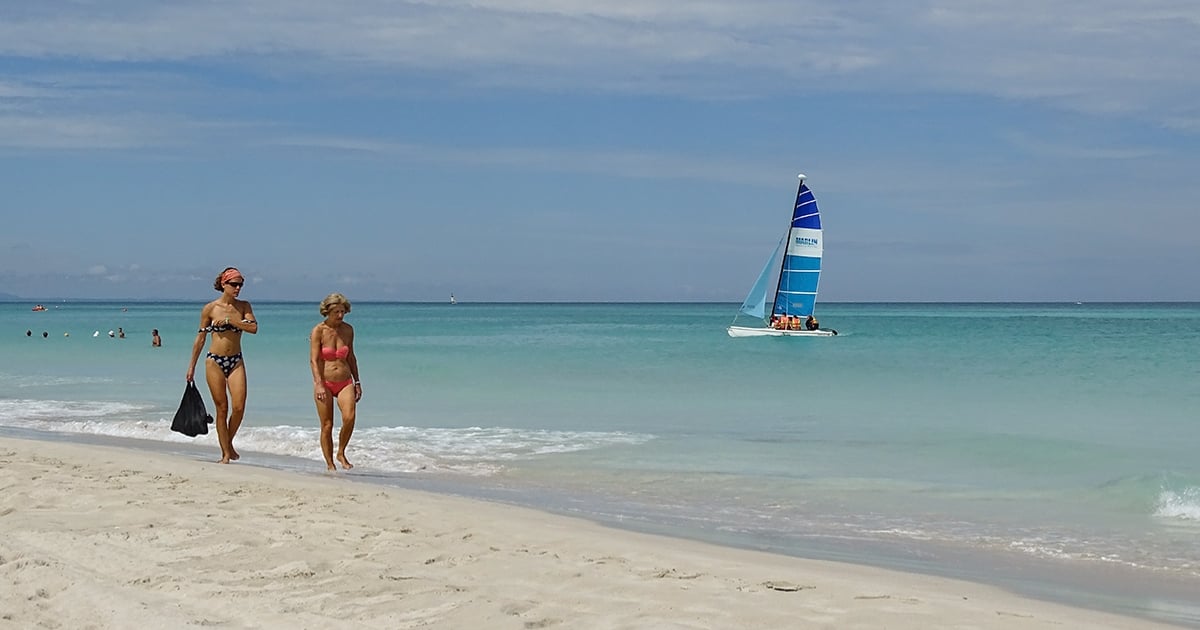
Although most tourist destinations like Varadero, Cayo Santa María, or Cayo Coco are considered relatively safe, Canada advises taking usual safety precautions, avoiding isolated areas, and being vigilant about surroundings even within hotels and resorts, especially during nighttime.
Crime, fraud, and scams
Canada warns about the increase in petty crimes such as pickpocketing, handbag thefts, and thefts in crowded areas, including beaches, nightclubs, and public transportation. They also alert about frauds and overpricing in taxis, classic car rentals, and tourist services that could even lead to threats or violence against visitors.
Additionally, the risks of sexual assault are reiterated, especially against women, with reported cases even within tourist resorts. Canadian authorities advise against walking alone at night, avoiding isolated areas, and not accepting drinks or snacks from strangers.
Scarcity, blackouts, and collapsed transportation
The structural crisis in Cuba continues to worsen, according to the alert. The country is facing intermittent power and water outages, telecommunications issues, and a widespread shortage affecting everything from transportation to access to basic products, medication, and fuel.
"Public transportation is scarce and unreliable, including taxis. Several tourists have been temporarily stranded due to the inability to refuel rental cars because of the lack of gasoline," the report warns.
Warning regarding demonstrations
The Canadian government emphasizes that all public demonstrations against the Cuban government are illegal, and that foreign tourists could be detained if they are found near a protest, even a peaceful one.
"The Cuban police can disperse unauthorized gatherings and arrest those who participate or are simply present in the area," the alert indicates.
Recommendations for Travelers
Canada recommends its citizens traveling to Cuba to carry an emergency kit, have sufficient cash (preferably in small bills), purchase international medical insurance that includes air evacuation, and not rely on local internet or mobile phone for emergencies.
Filed under: