
Related videos:
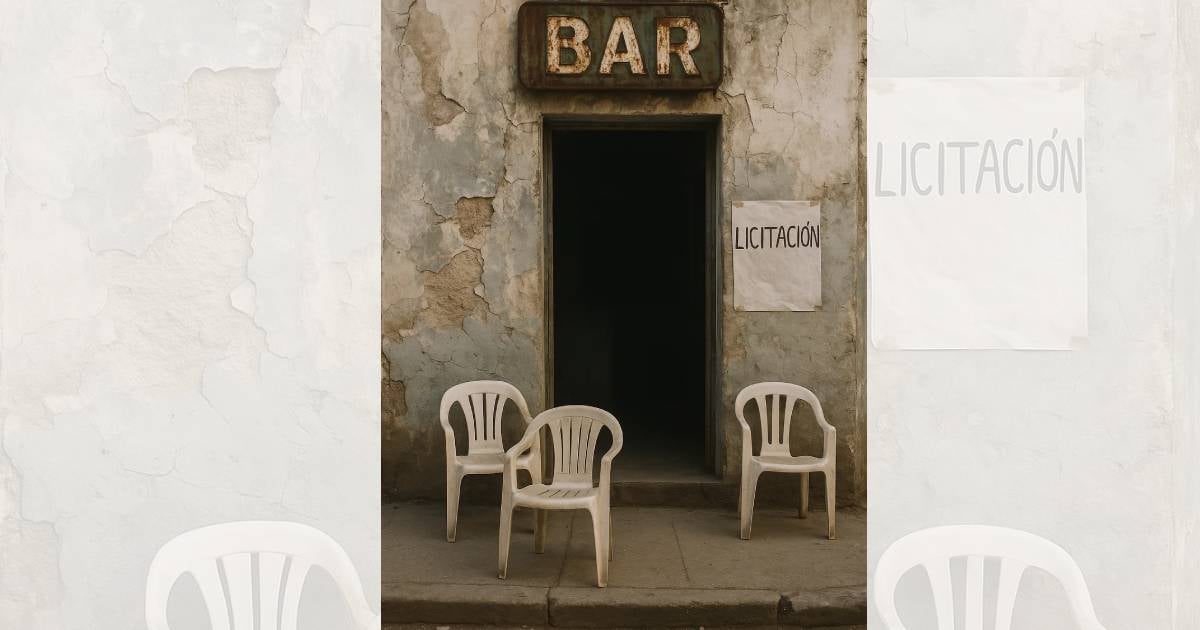
The Cuban government has launched a new bidding process for self-employed workers, cooperatives, and local projects to take over the management of state-run bars in the municipality of Rafael Freyre, Holguín, in an effort to revitalize the struggling gastronomy and services network.
The Municipal Company of Commerce and Gastronomy of Rafael Freyre called for the submission of proposals to lease four units: the Bar Nueva Onda (Juan Cantares), the Bar Bajo el Cerro, the Bar El Mango (Punto Fijo), and the Bar Sao Redondo (Melones).
Interested parties must submit business proposals in sealed envelopes, including a budget, description of activities, possible repair works, and even advertising plans with posters, recorded music, or artistic services, the announcement states.
The deadline for submitting proposals has been extended to August 30, and initiatives that preserve the basic services for the population, ensure better quality conditions, and promote the cultural traditions of the area will be prioritized. The use of renewable energy and social inclusion will also be taken into consideration, they note.
According to what the entity has stated, the measure is part of the "restructuring" of retail commerce in Cuba, where an increasing number of state-run businesses are being transferred to private ownership due to the state's inability to sustain them.
In 2023, the bidding for spaces at the Antonio Maceo International Airport in Santiago de Cuba was announced, along with the opening of EGREM venues to private management.
Most recently, in June 2025, the Heritage Management Company, in partnership with the Office of the Historian, launched a call for proposals to lease spaces on the Havana Malecón.
Although it was presented as a "unique opportunity," it sparked a wave of criticism on social media, as many questioned the structural safety, the lack of legal guarantees, and the suspicion that the State is merely shifting the cost of urban deterioration onto entrepreneurs.
The case of Rafael Freyre fits into this trend, as bars that once symbolized social life in Cuban towns and neighborhoods, now deteriorated and lacking stable services, could be revived through private efforts.
But, as the self-employed individuals themselves warn, enthusiasm collides with a wall of legal uncertainties, high investment risks, and the ever-present possibility that “the State might decide to kick you out and you lose your money,” as a user expressed when the bidding for the Malecón was announced.
A lifeline amid the state shipwreck
The government has acknowledged that internal trade cannot support itself with the centralized model. In 2022, Minister Betsy Díaz Velázquez admitted that the state network required a deep transformation and that the units with greater autonomy performed better.
Three years later, bidding has become a lifeline amid the economic shipwreck of the State. However, what may represent an entrepreneurial opportunity for some, reflects the precariousness of a system that survives by shifting its responsibilities onto the citizens.
In Rafael Freyre, the fate of bars like El Mango or Nueva Onda will now depend on the ability of residents and entrepreneurs to invest in establishments that the State has allowed to fall into ruin. The question is whether this formula will bring prosperity to the community or if it will be another temporary fix amid the country's structural crisis.
Frequently Asked Questions about the Bidding for State Bars in Cuba
What is the objective of the Cuban government in tendering state bars?
The goal of the Cuban government in bidding out state-run bars is to revitalize the struggling network of gastronomy and services. This strategy is part of the effort to stimulate domestic commerce due to the State's inability to sustain these establishments. The measure aims for self-employed workers, cooperatives, and local projects to take over the management of these spaces, thereby improving the quality of services and preserving cultural traditions.
What implications does the private management of state bars have for entrepreneurs?
The private management of state-run bars presents an entrepreneurial opportunity, but it also comes with significant investment risks and legal uncertainties. Entrepreneurs must submit detailed business projects and face the possibility of losing their investment if the State decides to revoke the concession. Additionally, initiatives are required to incorporate the use of renewable energy and promote social inclusion.
Why is the Cuban government delegating the management of commercial spaces to private entities?
The Cuban government is delegating the management of commercial spaces to private entities due to the state's inability to sustain these businesses. This process is part of a reorganization of retail commerce, aiming for locations with greater autonomy to operate more efficiently. Despite being presented as unique opportunities, these tenders have faced criticism due to structural issues and a lack of legal guarantees.
Are there any records of similar tenders in Cuba?
Yes, there are precedents for similar tenders in Cuba. In 2023, spaces at Antonio Maceo International Airport and EGREM venues in Santiago de Cuba were tendered. More recently, in June 2025, a tender was opened to lease spaces along the Malecón in Havana. These initiatives reflect a trend of transferring the management of state-run venues to private hands, although not without controversies.
Filed under: