
Related videos:
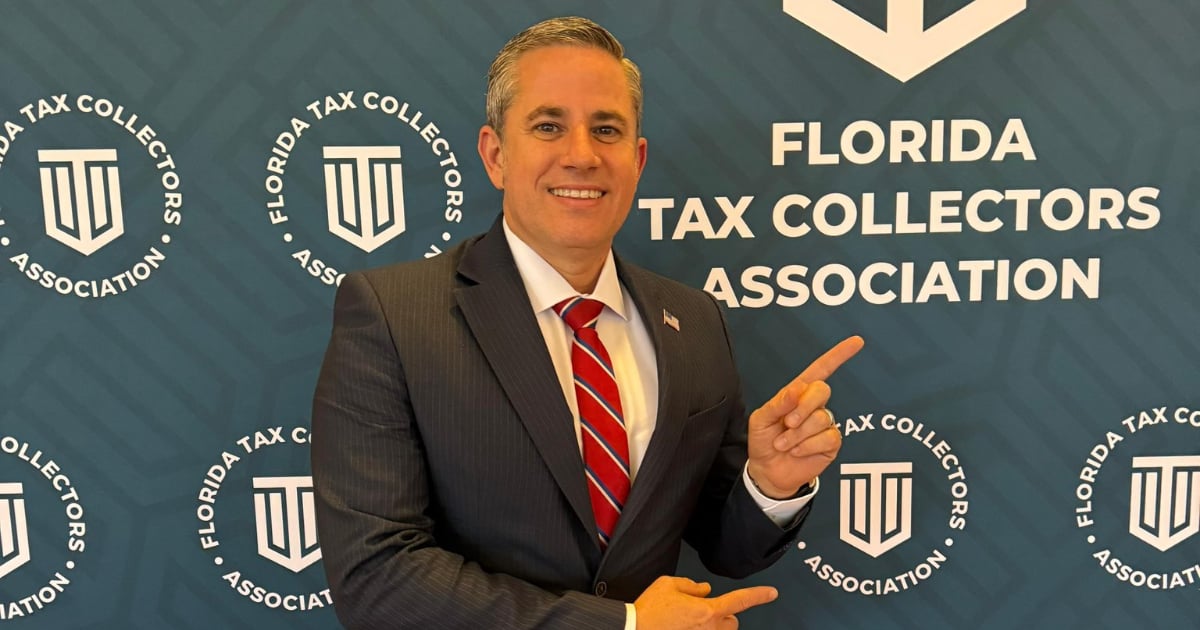
The Miami-Dade County Tax Collector, Dariel Fernández, issued a strong warning to companies attempting to do business with the Cuban regime, stating that he will not allow them to profit at the expense of the suffering of the island's people.
In an official statement, Fernández emphasized that Florida law is clear and states that any company connected to Havana may lose its local licenses and be forced to cease operations in the county.
“We will not allow the accomplices of the murderous communist dictatorship to operate freely here,” he stated, after promising immediate actions against the violators.
The official, a Cuban-American who emigrated with his family in the 90s, stated that he will send letters to the companies mentioned and that he will work with local and state authorities to “shut down these businesses anywhere in Miami-Dade County”.
The Cuban-American congresswoman María Elvira Salazar supported Fernández's statement and urged the State Department and the Treasury to investigate the companies that are allegedly trying to evade sanctions against Cuba.
“Every dollar that flows into Havana strengthens the murderous dictators and undermines U.S. policy,” the legislator wrote on her X account, warning that the abuse “is over” and promising real consequences for companies that trade with the regime.
Salazar had already formally requested that federal agencies investigate companies in South Florida involved in tourism, logistics, deliveries to the island, and car sales, suspected of facilitating financial resources to Havana.
Context of increased pressures
The statement comes weeks after the State Department warned foreign investors that Cuba “is not open for business”, but is rather “rigged to benefit the regime’s cronies.”
Washington also denounced corruption, unpaid debts, and market manipulation by the Cuban government, while the Business Administration Group S.A. (GAESA), the conglomerate of the Cuban military elite, maintains absolute control over the economy.
In this scenario, the Miami-Dade offensive adds to the political and social pressure from the exiled community, which has repeatedly reported that companies based in the United States may be using intermediaries to evade sanctions and support the dictatorship.
Voice of the Exile
Fernández, who describes himself as a "Cuban emigrant who firsthand knows the pain and suffering that this dictatorship has inflicted," stated that he will do everything in his power to ensure that "no business that profits from the pain of the Cuban people operates in Miami-Dade".
With this declaration, the local policy in South Florida aligns itself with the demands of the exile community, which calls for firm actions against those who provide resources to the regime, during a time of economic and social crisis on the island.
Frequently Asked Questions about Sanctions and Trade with the Cuban Regime
What measures has the Miami-Dade tax collector taken against companies that trade with Cuba?
The Miami-Dade tax collector, Dariel Fernández, has warned that businesses engaging with the Cuban regime may lose their local licenses and be forced to cease operations in the county. Fernández has pledged to send letters to the identified companies and collaborate with local and state authorities to shut down these businesses.
What support has Dariel Fernández received for his initiative against trade with Cuba?
The Cuban-American congresswoman María Elvira Salazar has publicly supported Dariel Fernández's statement, urging the State Department and the Treasury to investigate companies looking to evade sanctions against Cuba. Salazar has emphasized that every dollar that enters Havana strengthens the Cuban regime and has promised consequences for the companies involved.
How does the situation in Cuba affect businesses in South Florida?
The political and social pressure from the exiled community in Miami has increased on U.S.-based companies that may be using intermediaries to circumvent sanctions and support the Cuban regime. This has led to more rigorous scrutiny from local and federal authorities.
What actions is the U.S. government taking regarding the Cuban regime?
The State Department has imposed sanctions on Cuban leader Miguel Díaz-Canel, his family, and senior military officials. These sanctions prohibit their entry into the United States and aim to hold the Cuban regime accountable for repression and human rights violations.
Filed under: