
Related videos:
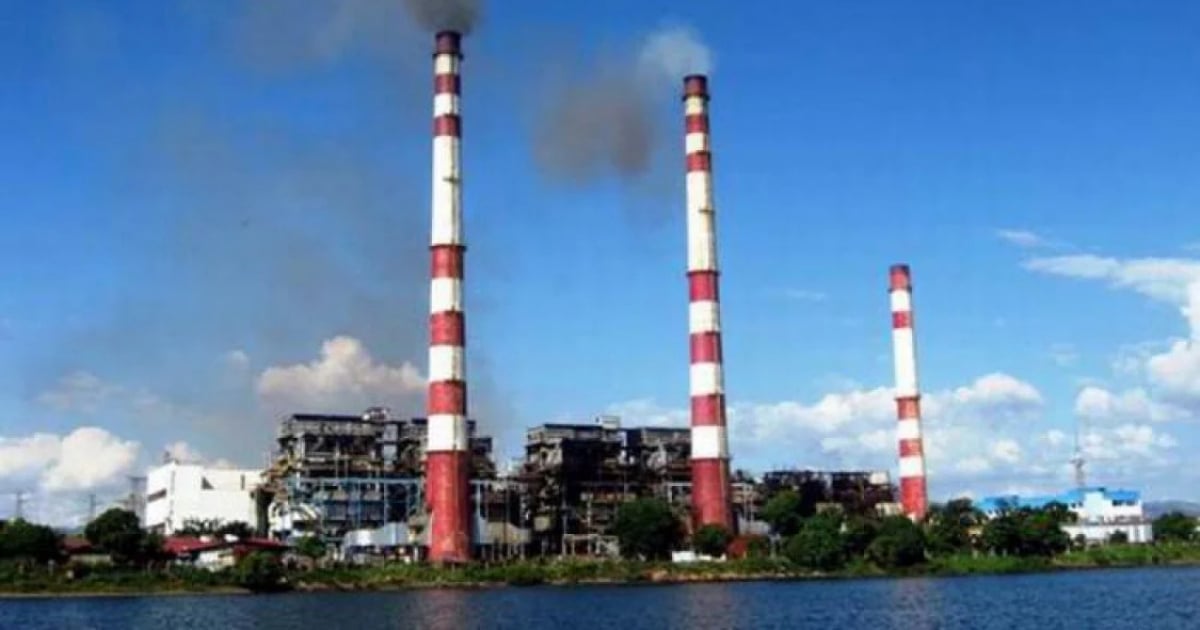
The Antonio Maceo Grajales thermoelectric plant, better known as Renté, re-synchronized its unit 5 to the National Electric System (SEN) on Tuesday, after several days of instability and frequent outages that have worsened the country's critical energy situation.
The announcement was made on Facebook by the government supporter "Cubano Gallo Rebelde", who celebrated at 4:29 PM that the thermal block was back online.
However, the news arrives surrounded by doubts about the actual stability of the plant and in the context of an electrical system on the verge of collapse.
An accident that highlights precariousness
The start of unit 5 was marked last week by a serious workplace accident that left the turbine operator Carlos Rafael López Ibarra, 33 years old, with burns covering 89% of his body.
A sudden release of superheated steam during the block synchronization nearly engulfed him completely.
Although the worker remains alive in a critical condition at Dr. Juan Bruno Zayas Alfonso General Hospital, the incident highlights the hazardous conditions in which the technicians at the thermoelectric plants operate.
The provincial health director, Miguel Ángel Díaz Núñez, noted that the patient remains conscious and is provided with assured medication, but the severity of his injuries reflects the human costs of a collapsing system.
The plant director, Jesús Aguilar Hernández, acknowledged that the causes of the failure are being investigated, while provincial authorities visited the injured person in what seemed more like a political protocol than a real solution to the crisis.
Unfulfilled promises and plants that won't take root
Unit 5 had just synchronized on Friday, after months of maintenance, but early Saturday morning it disconnected again, highlighting the fragility of the repairs that the Ministry of Energy and Mines presents as “solutions.”
Of the 95 megawatts it could provide, it was only generating about 50 before breaking down again.
According to Lázaro Guerra Hernández, the general director of electricity, the failure was "minor" and the restoration would occur "in a few hours." However, Cubans know that such promises are repeated without resulting in energy stability.
The situation in Renté is not isolated: the Mariel 5 block also went out of service on Friday, and the Santa Cruz 2, Cienfuegos 4, and Felton 2 units remain inactive, the latter having been out of service for over three years due to an unresolved fire.
A crisis that is affecting the entire country
Meanwhile, the population continues to bear the consequences, amid an increasingly deepening energy crisis that the regime has not been able to resolve despite years of promises and endless repairs.
On Tuesday, the Electric Union acknowledged a deficit close to 2000 megawatts during peak hours, which caused power outages throughout Monday and continued on Tuesday.
The situation, far from improving, has become the norm for millions of families who are surviving amidst prolonged power outages, disruptions to water supply, difficulties in cooking, and an increasingly deteriorating quality of life.
The re-entry of unit 5 at Renté does not change the underlying reality: an obsolete electrical system, reliant on deteriorated equipment and a government that, despite its rhetoric, has been unable to guarantee a stable service or adequately protect the workers who sustain the generation.
Frequently Asked Questions about the Energy Crisis in Cuba and the Renté Thermal Power Plant
Why does the Renté thermoelectric plant have difficulties remaining operational?
The Renté thermoelectric plant is facing problems due to its outdated infrastructure. The deteriorated equipment and lack of proper maintenance have led to constant breakdowns, highlighting the precariousness of the Cuban electrical system. Unit 5, for instance, had to disconnect shortly after synchronizing due to what are considered minor failures, yet these point to the fragility of the system.
What is the current situation of the electrical system in Cuba?
The electrical system in Cuba is on the brink of collapse. With a generation deficit exceeding 2,000 MW during peak hours, the country is facing prolonged and frequent blackouts. The thermoelectric plants such as Renté and others in Mariel, Santa Cruz, and Felton are out of service or under maintenance, exacerbating the energy crisis that affects the quality of life for the population.
How does the energy crisis affect the Cuban population?
The energy crisis in Cuba severely affects the daily lives of its citizens. Constant blackouts disrupt essential services such as water supply and complicate food preservation. Furthermore, the lack of electricity impacts communication and access to information, creating an atmosphere of frustration and despair among the population.
What measures has the Cuban government taken to address the energy crisis?
The Cuban government has promised repairs and maintenance for the thermoelectric plants. However, these measures have not yielded significant results. The lack of fuel and the deterioration of infrastructure continue to pose critical issues, and the promises of energy stability have not translated into real improvements for the population.
Filed under: