
Related videos:
Cuba began on September 4 with a devastating electrical outlook: blackouts extended throughout the previous day and continued into the early hours of today, as confirmed by the Electric Union (UNE).
The generation capacity deficit reached 1714 MW at 10:20 PM on Wednesday, a figure lower than what experts had predicted, yet it still left millions of families in the dark.
A collapsed system
According to UNE, at 6:00 AM on Thursday, the availability of the National Electric System (SEN) was 1815 MW compared to a demand of 2825 MW, which meant that over a thousand MW were out of service since early morning.
The situation does not improve as the day progresses: the state-owned company itself forecasted a deficit of 1080 MW for noon.
The causes of the crisis are numerous but recurring: chronic breakdowns in four thermoelectric units at the Santa Cruz, Renté, and Felton power plants, as well as simultaneous maintenance in three blocks of the Carlos Manuel de Céspedes, Santa Cruz, and Cienfuegos plants.
This is compounded by thermal limitations that keep 432 MW out of service.
The lack of fuel and lubricants worsens the situation: 43 distributed generation plants stopped contributing 272 MW, while other facilities added 418 MW that are unavailable. Due to this issue alone, the country lost 690 MW of capacity.
An impossible deficit to cover
The UNE's forecast for peak hours is even more discouraging.
Although a partial entry of unit 3 from Santa Cruz and unit 6 from Renté is anticipated, along with the addition of 100 MW from distributed generators, the total availability would only reach 1890 MW against a peak demand of 3550 MW.
This would leave a deficit of 1660 MW and an estimated impact of 1730 MW at the time of greatest need.
Not even the contribution of the 28 new solar parks, which delivered 1812 MWh during the day and reached a peak of 350 MW, is enough to compensate for the instability of the system.
Havana, another example of deterioration
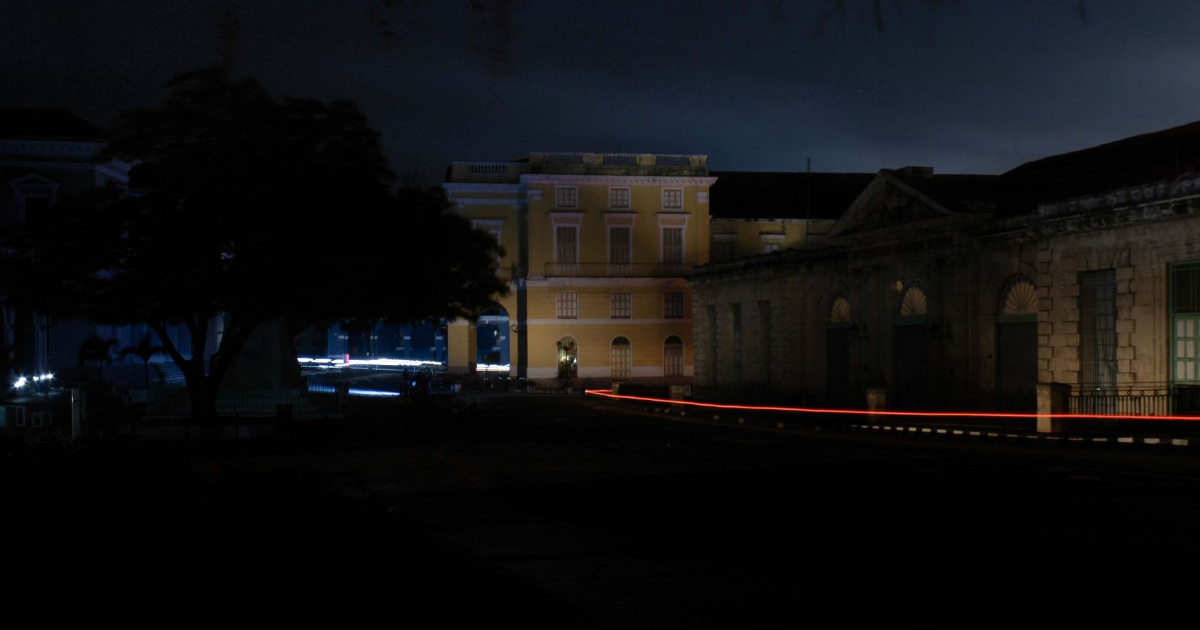
The Electric Company of Havana reported that the capital experienced a power outage of 113 MW at 8:20 PM, with cuts that extended into the early morning hours.
While he pointed out that some blocks of outages "were not necessary," the truth is that the city was left in the dark for more than four hours, impacting both domestic life and the operation of hospitals, businesses, and public transport.
The failure of an energy model
Although official statements attribute the crisis to isolated failures and planned maintenance, what is evident is a structural collapse of the national electrical system, unable to meet the minimum demand of the population.
The government continues to fail to present a realistic plan to overcome the reliance on outdated thermoelectric plants or to ensure the supply of fuels.
The paradox is that while the official propaganda boasts of new solar parks and "energy modernization," the daily reality for Cubans is a torment of incessant blackouts.
Every day, the frustration of the citizens multiplies, as they, far from trusting government promises, see in every news release from the UNE another confession of a system unable to guarantee basic services.
Frequently Asked Questions About the Energy Crisis in Cuba
What is the main problem with the electrical system in Cuba?
The electrical system in Cuba is facing a structural collapse due to chronic failures in thermal power plants, simultaneous maintenance, lack of fuel and lubricants, and thermal limitations. This has resulted in a generation capacity deficit that fails to meet the country's energy demand.
What is the current electricity generation deficit in Cuba?
The electric generation deficit in Cuba varies, but recently a deficit of up to 1,714 MW has been recorded, leading to prolonged blackouts across the country. The available generating capacity is insufficient to meet current demand, exacerbating the energy situation.
How does the lack of fuel affect the energy crisis in Cuba?
The lack of fuel is a critical factor that has taken numerous distributed generation plants out of service, reducing the total capacity of the National Electric System. This shortage exacerbates the generation deficit and contributes to the ongoing power outages.
What measures is the Cuban government taking to address the energy crisis?
The Cuban government has mentioned the expansion of renewable energy usage, such as solar parks, but these measures have not been enough to address the structural deficit of the system. Meanwhile, promises continue without a realistic plan to modernize outdated thermoelectric plants or ensure the necessary fuel supply.
Filed under: