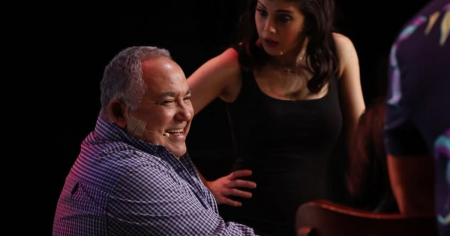
A fragment from the film Memorias del subdesarrollo (1968), by the Cuban filmmaker Tomás Gutiérrez Alea (Titón), has gone viral on social media due to the relevance of one of its most striking phrases: "They will return to barbarism."
The scene, starring actor Sergio Corrieri, has been shared thousands of times on Instagram, sparking an intense debate about the parallel between the underdevelopment depicted in the film and the reality faced by Cubans more than half a century after the movie's release.
"The only thing a Cuban can't endure is going hungry."
Memories of Underdevelopment premiered on August 19, 1968, in Cuba. It is considered one of the peaks of Latin American cinema. Critics regard it as more than a film; it is an audiovisual essay on memory, identity, and individual responsibility within a turbulent historical context on the island.
Its protagonist, Sergio, is a bourgeois intellectual caught between the nostalgia of the pre-revolutionary past and the bewilderment of a present that offers no certainties. Through his disenchanted perspective, the viewer traverses the ruins of a society in transition, marked by contradictions, the absence of loved ones, and frustrations.
The fragment that has come back to life on social media shows Sergio asserting that a Cuban can endure everything except hunger. That line was written more than five decades ago, but many users believe it accurately reflects the discontent of present-day Cuba.
Cubans react to Memories of Underdevelopment
"Titón was a visionary. Memorias is probably the best film in Cuban cinema," wrote an internet user. Another commented, "It is a mirror that reveals the complexity of our identity... underdevelopment is not just economic; it is a wound in the soul of the nation."
The film, based on the eponymous novel by Edmundo Desnoes, breaks away from the epic revolutionary narrative and offers an introspective, almost existential perspective.
The protagonist's helplessness to adapt to the new reality, his skepticism towards the official discourse, and his heart-wrenching clarity make Memorias del subdesarrollo an timeless work.
In times when food scarcity, massive exodus, and social disillusionment are recurring themes in Cuba, the work of Gutiérrez Alea resurfaces with strength.
Frequently asked questions about "Memories of Underdevelopment" and the current situation in Cuba
Why has "Memories of Underdevelopment" gained relevance again?
The film "Memories of Underdevelopment" has become relevant again due to its timeliness, as it depicts a state of underdevelopment that many see as parallel to the current reality of Cuba. The phrase "They are going to return to barbarism" has gone viral, reflecting the discontent of Cuban society more than 50 years after its premiere.
How does the current situation in Cuba relate to the concept of underdevelopment?
The concept of underdevelopment is currently manifested in Cuba through food shortages, blackouts, and an economic and social crisis. The testimonies of Cuban citizens on social media, such as that of the young woman in Matanzas, highlight the daily struggle for basic resources and the widespread despair, reflecting a state of underdevelopment that is not only economic but also social and emotional.
What impact do social media have on the international perception of the Cuban situation?
Social media plays a crucial role in highlighting the Cuban reality beyond the official narrative. Testimonies published on platforms like TikTok and Facebook reveal the decline of life on the island, generating an international debate about the political and economic situation in Cuba and questioning the effectiveness of the current socialist model.
What is the fundamental criticism of the Cuban government based on current testimonies?
The main criticism of the Cuban government is its inability to address the economic and social crises that affect the population. The complaints include shortages, uncontrolled inflation, and political repression, issues that have worsened in recent years and that citizens openly express in their testimonies on social media.
Filed under: