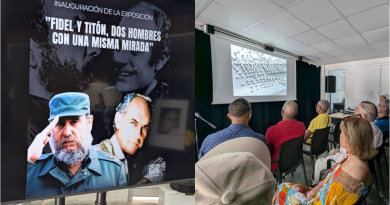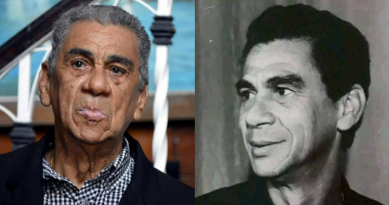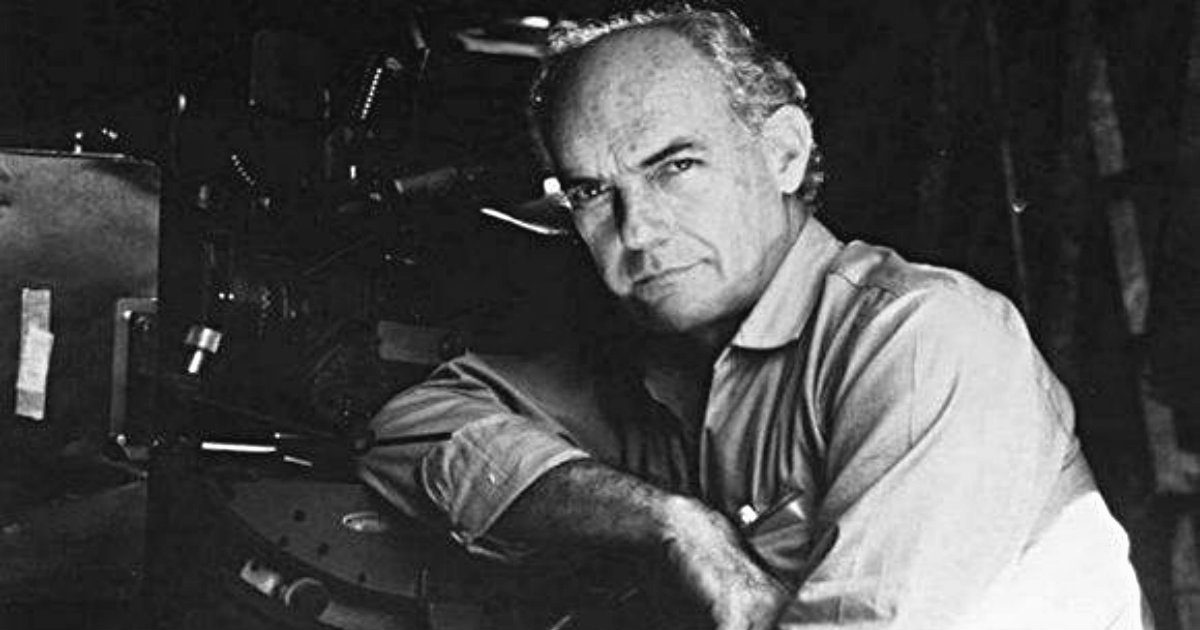
Tomás Gutiérrez Alea, known as Titón to Cubans, was a filmmaker born in Havana on December 11, 1928. He passed away on April 16, 1996, in his hometown.
He graduated from the University of Havana with a degree in Law (1951). In 1953, he completed his studies at the Centro Sperimentale di Cinematographia in Rome, where he, alongside Julio García Espinosa, filmed his first medium-length documentary, El Mégano, about the charcoal workers in the Ciénaga de Zapata. His early works were primarily humorous short films and documentary feature films.
He co-founded the Cuban Institute of Art and Cinematographic Industry (ICAIC) alongside other artists of his time, serving as a member of the board of directors until 1961. Influenced by the Italian neorealism school and his personal beliefs, Titón, as he was nicknamed, believed in the role of cinema—and art in general—as instruments in service of the Cuban Revolution, seeing the audience as active participants and critics rather than mere indoctrinated consumers. The film *Esta Tierra Nuestra* was the first documentary made after the revolutionary triumph. He was part of a group of producers, artists, and creators in the 1960s and 70s who witnessed the birth of the movement known as Nuevo Cine Latinoamericano, which aimed to break away from American and European film models and advocate for a distinct continental cinema that addressed Latin American reality and fostered its own genres and stars.
He was a founding member of the UNEAC (National Union of Writers and Artists of Cuba).
Her film Los sobrevivientes competed at the Cannes Film Festival after being premiered a few months earlier in Havana.
He was the husband of the well-known Cuban actress Mirta Ibarra, who stars in some of her productions.
In 1993, he co-directed with Juan Carlos Tabío his most internationally recognized film: Fresa y Chocolate, based on the story by Senel Paz, El lobo, el bosque y el hombre nuevo. Fresa y Chocolate is the only Cuban film that has received an Oscar nomination for Best Foreign Language Film (1994). It was also nominated for the Goya Awards as Best Foreign Film, winning the award.
Filmography:
Red Riding Hood (1947, short film)
The Fakir (1947, short film)
A Daily Confusion (1950, short film)
Il sogno de Giovanni Bassain (1953)
The Mégano (1955, documentary in collaboration with Julio García Espinosa, Alfredo Guevara, José Massip)
The Capture of Havana by the English (1958, documentary)
This Land Is Ours (1959, documentary)
Stories of the Revolution (1960, first fiction feature film by ICAIC)
General Assembly (1960, documentary)
Death to the Invader (1961)
The Twelve Chairs (1962)
Cumbite (1964)
Death of a Bureaucrat (1966)
Memories of Underdevelopment (1968)
A Cuban Fight Against Demons (1971)
The Art of Tobacco (1974, documentary)
The Last Supper (1976)
In a Certain Way (1977)
The Survivors (1979)
To a Certain Extent (1983)
Letters from the Park (1988)
With You in the Distance (1991)
Strawberry and Chocolate (1993, co-directed with Juan Carlos Tabío)
Guantanamera (1995, co-directed with Juan Carlos Tabío)