
Related videos:
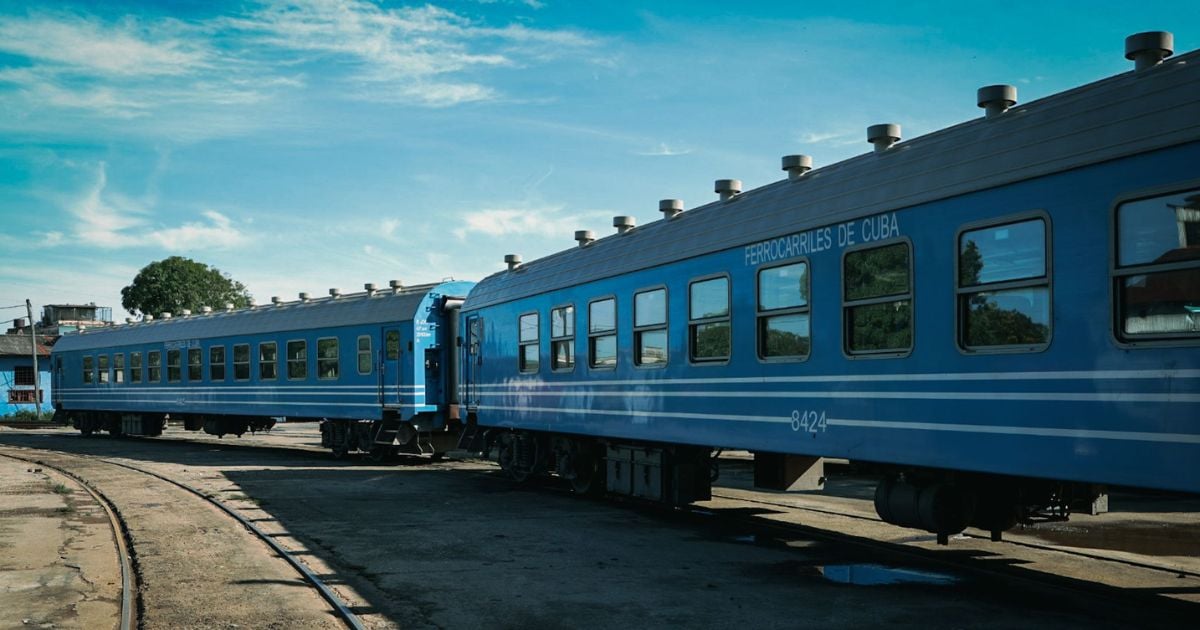
Two national passenger trains were victims of vandalism this Sunday at different times and locations across the country.
The attacks, which involved throwing stones at moving trains, did not result in any injuries, but they did cause alarm among passengers and railway staff.
According to information from the Unión de Ferrocarriles de Cuba on its official channels, the first incident occurred at 5:20 p.m., when Train No. 15, which operates on the Havana-Holguín route, was stoned while approaching the city of Las Tunas.
The second incident occurred at 9:20 p.m. when Train No. 12, traveling from Santiago de Cuba to Havana, was also pelted with stones while passing between Cristino Naranjo and Fuente in the province of Holguín.
One of the stones struck car number 8436, specifically in seats 15 and 16, entering the interior of the carriage through an open window.
In this second case, the incident occurred while a massive blackout was affecting the eastern region of Cuba, which makes it possible that the incident was a form of protest against the regime.
Fortunately, in both cases, no passengers were reported injured, despite the fact that the projectiles entered the interior of the vehicles.
There was no significant structural damage to the units either.
The Union of Railways condemned these actions, which it described as dangerous and completely unacceptable, stating that they "endanger the lives of Cubans, including children and the elderly, and also affect the functioning of the railway service."
Attacks with stones on passenger trains are not isolated incidents.
In recent months, other similar cases have been reported, raising concerns about safety in the national railway system, which is already affected by material deterioration and a lack of resources.
Rail transport in Cuba has been the target of a troubling series of acts of vandalism, including stone throwing at passenger trains and other forms of aggression.
In Alquízar, Artemisa province, a train was attacked with stones while it was stopped at the station, causing material damage and generating alarm among passengers.
This type of attack has been repeated, as also happened on a train headed to Guantánamo that was brutally attacked with stones, causing panic among the passengers.
Violence against public transport is not limited to trains. In Havana, unknown individuals stoned a bus in the early morning, shattering windows and endangering passengers.
Days earlier, a state minibus was also the target of a stone attack in the capital, endangering the lives of the passengers.
Amid this crisis, the authorities announced tests to provide Wi-Fi on national trains, an initiative that stands in stark contrast to the fragility of the system. The emphasis on digital connectivity has drawn criticism, given that many trains operate with evident risk due to poorly maintained tracks.
In response to the rising number of attacks and accidents, the government has taken a tougher judicial stance. The Supreme Court has decided that offenses against trains and other strategic services will be treated as sabotage under the Penal Code, allowing for severe penalties and even exemplary measures to deter such behaviors.
Frequently Asked Questions about Attacks on Trains and Public Transport in Cuba
What recent incidents occurred with trains in Cuba?
Two national passenger trains were attacked with stones this Sunday, causing alarm among passengers and railway staff. The attacks occurred in different regions of the country but did not result in injuries or significant structural damage. These acts have been condemned by the Union of Railways of Cuba, which described them as dangerous and unacceptable.
Why are stone-throwing attacks occurring against trains and buses in Cuba?
Attacks with stones on trains and buses could be a form of protest against the regime, especially in a context where the public transportation system is deteriorating and facing a shortage of resources. Additionally, these acts of vandalism reflect the growing social frustration and the decline in living conditions on the island.
What measures are the Cuban authorities taking in response to these attacks?
The authorities have activated immediate response protocols, which include the intervention of the railway police and collaboration with the public to report these acts. Citizens are urged to report any aggression against public transportation, and the need to strengthen surveillance to prevent future incidents has been emphasized.
How do these attacks affect the transportation system in Cuba?
The attacks worsen the already precarious situation of public transportation in Cuba, where vehicle shortages and a lack of maintenance are ongoing issues. Furthermore, they instill fear and uncertainty among passengers and affect service delivery, as each disabled vehicle impacts hundreds of users.
Filed under: