
Related videos:
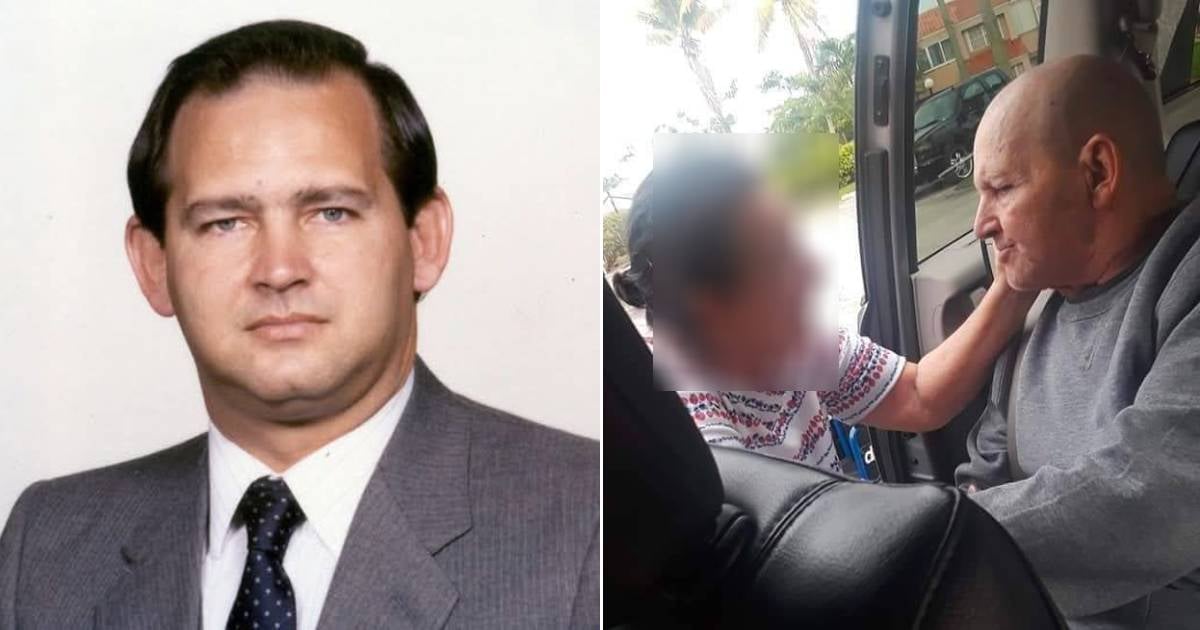
The Cuban exile Eduardo Arocena, founder of the anti-Castro clandestine group Omega 7 and regarded as one of the most controversial figures in the fight against Fidel Castro's regime, passed away in the United States, family sources confirmed this Wednesday.
His son, Frank Arocena, stated that “my father did everything he could for Cuba,” amidst the family's grief.
The news marks the end of the life of a man revered in part of the exile as a patriot and questioned for his violent methods.
Born in Cuba and emigrated to the United States in the 1960s, Arocena became involved in exile circles that rejected any negotiations with Havana.
In the seventies, he emerged as a leader of Omega 7, an organization that declared its goal to combat Cuban communism through armed action.
Under his leadership, Omega 7 was held responsible for bombings and the assassination in 1980 of the Cuban diplomat Félix García in New York. These events put him in the sights of U.S. authorities.
In 1983, he was arrested and, a year later, convicted in a federal court in New York for terrorism, murder, and other charges. He received a life sentence plus an additional 35 years in prison.
For 39 years, he served a sentence in U.S. prisons and was considered the only Cuban political prisoner in the United States.
His figure, however, was championed by sectors of the Cuban exile community in Miami, who regarded him as a political prisoner and a symbol of resistance against Castro's regime.
In 2017, his defense unsuccessfully requested a pardon from then-President Donald Trump, following Barack Obama's refusal to grant him clemency.
In 2021, Arocena was released for medical reasons, due to the deterioration of his health after suffering a stroke. He spent his last years free, surrounded by his family, until his passing this week.
The trajectory of Eduardo Arocena reflects the complexity of the struggle against the Cuban regime in exile: from political action to clandestine violence.
For some, he was a patriot who never capitulated to Castroism; for others, a man marked by the armed struggle that led him to prison.
His death closes a chapter in the history of the Cuban exile community in the United States, which today remembers him with heartfelt posts on social media.
Frequently Asked Questions about Eduardo Arocena and the Anti-Castro Fight
Who was Eduardo Arocena and what was his role in the struggle against the Cuban regime?
Eduardo Arocena was a Cuban exile and founder of the anti-Castro group Omega 7, known for its violent actions against Fidel Castro's regime. Arocena is a controversial figure due to his involvement in bombings and the assassination of a Cuban diplomat in New York. His legacy is viewed in a divided manner: as a patriot by some sectors of the Cuban exile community and as a terrorist by others.
What was Omega 7 and what actions did it undertake under the leadership of Eduardo Arocena?
Omega 7 was a clandestine anti-Castro organization that operated mainly in the United States during the seventies and eighties. Under the leadership of Eduardo Arocena, the group carried out bomb attacks and is attributed with the assassination of Cuban diplomat Félix García in 1980. Omega 7's actions aimed to combat Cuban communism through violence, which brought them into the crosshairs of U.S. authorities.
What was Eduardo Arocena's sentence and why was he considered a political prisoner by some Cuban exiles?
In 1983, Eduardo Arocena was arrested and sentenced to life in prison plus an additional 35 years for charges of terrorism and murder. Some sectors of the Cuban exile community consider him a political prisoner and a symbol of resistance against the Castro regime, arguing that his imprisonment was a consequence of his fight for Cuba's freedom. However, his violent methods have been met with criticism and rejection from other parts of the Cuban and international community.
Filed under: