
Related videos:
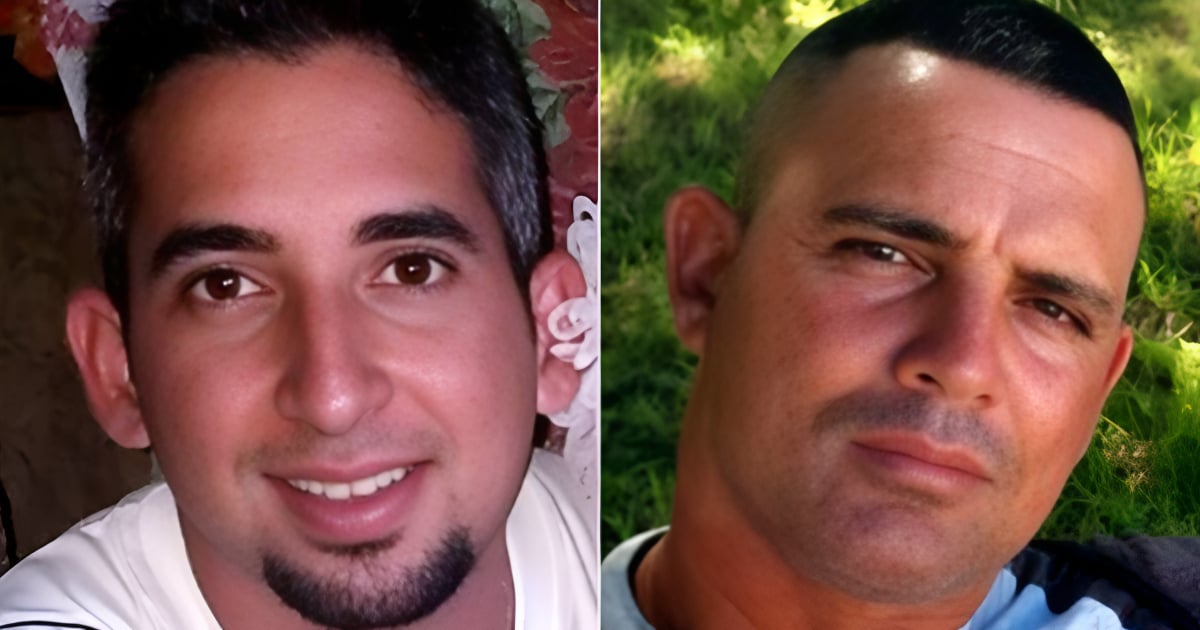
The project Represores Cubanos, by the Human Rights Foundation in Cuba (FDHC), added two citizens from Holguín to its list of collaborators within the Political Police, after being accused of recording and informing on protesters who took to the streets in the municipality of Gibara on the night of September 13th.
The individuals mentioned are Adrián Pupo Cuesta, known as “El Mocho”, and Wilder César Tejeda Ruiz, who, according to reports, used their cell phones to document neighbors during the peaceful protest against power outages and subsequently handed that material over to the State Security Department (DSE).
Detentions following the protest
As a direct consequence of those accusations, at least seven residents of Gibara were arrested in the early hours of September 14.
Among those detained are the names of Dairan Bermúdez Batista (“Chelli”), Reymundo Galbán Claro (“El Chino”), and Pedro José (“Porrón”), while relatives report that other young people remain uncommunicated.
The events occurred after dozens of residents from the town of Güirito in Gibara took to the streets with pots, flashlights, and slogans demanding electricity, food, and freedom, following more than 24 hours without power.
The protest was documented in videos that circulated widely on social media, showing men and women banging pots and shouting, “We want electricity and water!”
The official version
Official media outlets such as Realidades desde Holguín and the channel Gibaravisión attempted to downplay the extent of the protest, claiming that the demonstration occurred in an atmosphere of “empathy and respect,” that local authorities went to the site to engage in dialogue with the community, and that residents returned to their homes peacefully.
However, just a few hours later, images began circulating of patrols traversing the streets of Gibara and agents from the National Revolutionary Police (PNR) arresting citizens, contradicting the government's narrative. Activists described the operation as a "hunt" against the protesters.
The role of informants
The project represorescubanos.com, which investigates and exposes those responsible for repression on the island, stated that Pupo Cuesta and Tejeda Ruiz are part of the surveillance and informant mechanism used by the Cuban regime to stifle legitimate expressions of citizens.
"These low-profile collaborators endanger the safety of their own neighbors and act as despicable accomplices of a system that denies basic rights to the population," the FDHC states in its complaint.
The organization warned that they will continue to document similar cases and cautioned informants that they could face international consequences such as visa denials or the blocking of remittances.
National context
The protest in Gibara took place just three days after a new collapse of the National Electric System, caused by the shutdown of the Antonio Guiteras thermoelectric plant, resulting in the fifth widespread blackout in less than a year.
The energy crisis has heightened social unrest across Cuba. The lack of electricity directly affects the water supply and the operation of hospitals, while the population faces shortages of food and medicine.
The protests in September in Gibara are part of other expressions of discontent recorded in recent months across various provinces of the country. Although the government insists that these are isolated incidents, the rise in demonstrations reveals a growing frustration among citizens.
A warning to the informants
The FDHC concluded its complaint urging DSE collaborators to abandon their surveillance work: “We remind you that your victims and their families know you well, and that your actions carry lasting criminal responsibility.”
Meanwhile, the residents of Gibara continue to demand the release of those detained and an end to the repression against those who, amid darkness and despair, were only asking for the bare minimum: light, food, and freedom.
Filed under: