
Related videos:
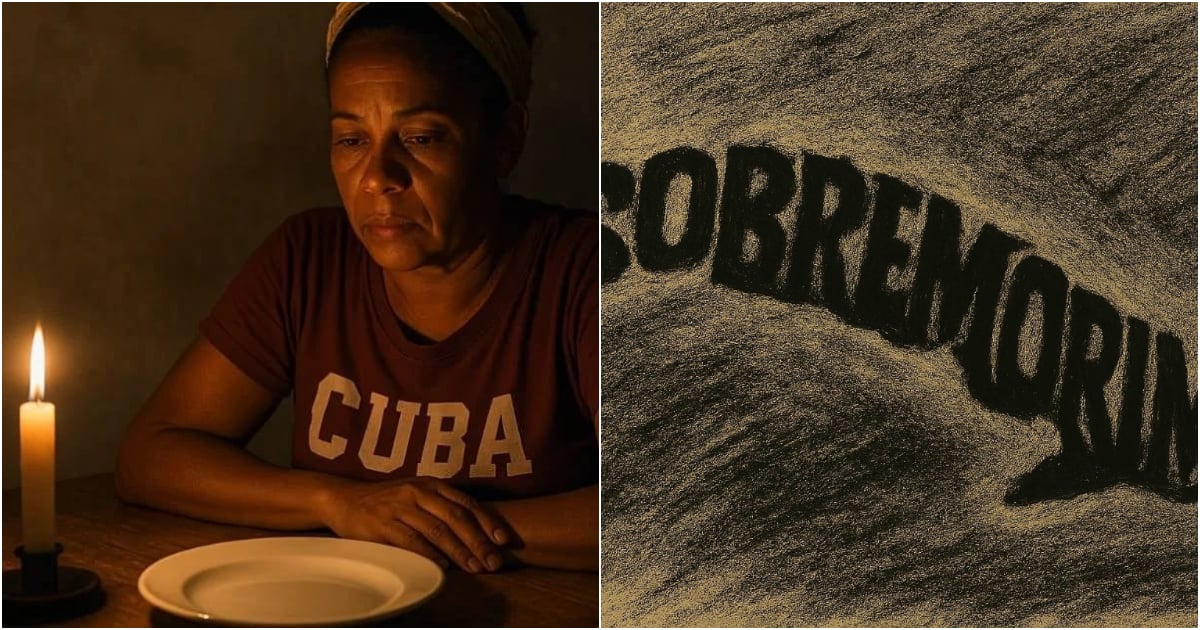
In Cuba, daily life is characterized by precariousness and improvisation, while the population shoulders a system that is unable to guarantee even the most basic needs, forced to survive amid shortages, inequalities, and ongoing crises.
According to engineer Yulieta Hernández, life on the island is characterized by the "normalization of abnormality." Energy, food, health, education, transportation, housing, connectivity, the economy, security, and even social values are all affected by a persistent collapse that strikes relentlessly.
What is happening is not a temporary emergency, but a sustained structural polycrisis. Daily life has been reduced to enduring, adjusting, and surviving under increasingly inhumane conditions, she reflected through her Facebook profile, as the director of the private micro and small enterprise Pilares Construcciones.
He pointed out that blackouts are no longer power outages, but interruptions to life. Cooking at dawn, washing without water, or improvising with charcoal has become routine, while the heat and insomnia destroy any chance of rest.
The food crisis turns the search for food into a daily odyssey, with dollarized prices marginalizing those who do not receive remittances.
Additionally, he pointed out that the water, which arrives unpredictably, turns into a race against time: filling tanks, washing, cooking. Hygiene, essential to prevent epidemics such as dengue, scabies, or hepatitis, depends on the resilience of families and not on the system.
On the other hand, public health, depleted of medications and equipment, forces people to turn to home remedies, bartering, and community networks.
According to Hernández, education suffers with schools lacking teachers, with no books, no notebooks, and with children arriving exhausted from hunger and lack of rest.
Connectivity, turned into a luxury due to the high prices set by the telecommunications monopoly in Cuba (Etecsa), marginalizes those who need to study, work, or simply communicate with their families.
He also noted that transportation is another ordeal: few buses, unpredictable routes, and long walks with children, the elderly, or heavy loads, while the infrastructure is crumbling amid cracks and rain, with no access to materials or technical support.
Meanwhile, the economy multiplies the workload: people work on the street, at home, on social media, without rest or protection.
This is compounded by the monetary chaos that deepens inequalities and the impoverishment of large segments of the population, considering the multiple exchange rates and forced banking that excludes the majority.
In the opinion of the young entrepreneur, precariousness also erodes social values: it increases corruption, illegality, violence, and distrust. Safety is not guaranteed, and reports often end in re-victimization.
Migration Fragments Families and Multiplies Silent Grief. Those who leave do so for survival; those who stay must bear absences and new burdens without support. The physical and emotional health of Cubans deteriorates: they sleep poorly, eat anxiously, and live in fear, she added.
In Cuba, it is no longer about surviving, but about "overdying" in a country disintegrated by multiple and ongoing crises, where the system does not respond and the people endure at their own expense, he concluded.
The responses to the text reflected a shared sentiment: exhaustion, repression, and the feeling that there is no possible way out.
"And if you express all of this in a public place, they use force, repression, police abuse; you get imprisoned and they extinguish the little life you have left," warned Yusy Yusy.
"We all feel identified, and I see no solution," summarized Yiliam Blanco.
“Tired and worn out, and it’s unknown for how long, with no solution, and no doubt justifying the unjustifiable… the truth is we are the only ones in the world applauding the same crap that has been imposed on us," said Cleudis Chausen.
For Ángela Cimarro, it is "a contemporary portrait of the everyday Cuban," while Nelsy Pensado described it as an "excellent definition of what Cuba and Cubans have become."
For Damián, the portrait lacked a detail: "prostitution from a nearly infant age. Young people find an easy, albeit sad, way out in it."
Your writing is very good, acknowledged Juana Torres, who then added: "We are tired of hearing explanations and excuses that try to justify inefficiency, tired of not seeing solutions, tired of watching our lives slip away without the possibility of something better… what we have today is definitely not life, and who cares?"
Frequently Asked Questions about the Crisis in Cuba and the "Overmortality" of its Population
Why is it said that in Cuba people "overdie" instead of surviving?
In Cuba, the term "sobremorir" is used because the population faces not only daily survival but also increasingly dire conditions, such as the lack of food, medicine, electricity, and water. This situation results in a constant physical and emotional strain that goes beyond merely surviving.
What are the main crises that Cuba is currently facing?
Cuba faces a multifaceted crisis that includes issues in energy, food, health, education, transportation, housing, and the economy. Blackouts, shortages of food and medicine, the collapse of the education system, and rampant inflation are some of the most critical challenges affecting the population.
How does the economic crisis affect the daily lives of Cubans?
The economic crisis in Cuba has led to a significant decrease in purchasing power, forcing families to make extraordinary efforts to meet their basic needs. Salaries are insufficient to buy food or other essential products, which increases inequality and impoverishment.
What is the situation of the healthcare system in Cuba?
The health system in Cuba is collapsed, facing a severe shortage of medications and medical equipment. This forces citizens to resort to home remedies and the black market to treat illnesses, endangering the health of the population.
What solutions are being proposed for the current situation in Cuba?
Until now, no effective solutions have been implemented to address the multiple crises in Cuba. The population continues to await measures that truly improve living conditions, while the government offers neither clear responses nor structural solutions to the existing problems.
Filed under: