
Related videos:
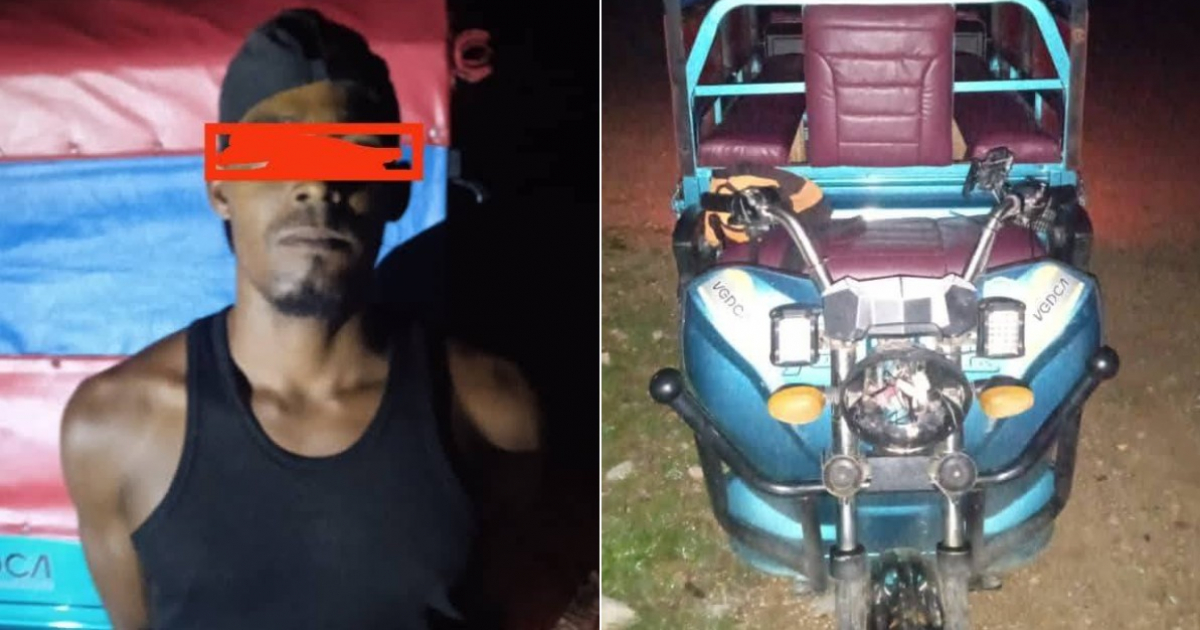
In Pinar del Río, the authorities announced the capture of a man identified only as Albertico, who is believed to be responsible for several thefts of electric tricycles in the Las Taironas popular council, located one kilometer from the city.
According to a note published by the user of Facebook "De Canallas y sus Canalladas", which is nothing more than an anonymous account linked to the Police, the individual was caught in the act during an operation where, they claim, "the community and the PNR worked hand in hand."
The official message, adorned with propaganda tags such as #HeroesInBlue, is presented as an example of the supposed effectiveness of law enforcement and trust in institutions.
However, for the residents of Pinar del Río, this episode rather reflects the opposite: the deep crisis of public safety that Cuba is experiencing and which the authorities are unable to control.
A rising insecurity
Although the police statement celebrates the capture of Albertico as a victory, the truth is that thefts of tricycles, motorcycles, and cars have multiplied across the country, amid the passive gaze of the authorities.
The shortage of fuel, the collapse of public transportation, and salaries that cannot cover basic needs have turned these resources into essential goods, which explains their increasing value in the informal market and, consequently, the rise in robberies.
Official propaganda vs. reality
The triumphalist tone of the message contrasts with the feelings of the citizens, who live each day under the uncertainty of whether they will be able to return home with their belongings intact.
In neighborhoods and cities across the island, there are numerous reports of thefts, violent assaults, and even murders, with no official statistics or concrete solutions being provided.
Far from ensuring security, the Cuban Police typically focus their efforts on watching, repressing, and detaining opponents, journalists, and critical citizens, while common crime expands freely.
The case of Pinar del Río serves as a reminder that the government and its law enforcement agencies have not only failed to protect the population, but are also attempting to mask reality with propagandistic messages on social media.
Questioned tranquility
The official text claims that the capture "returned peace to the families of the community." However, in practice, peace in Cuba is a scarce commodity.
With a devastated economic system, endless blackouts, shortages of food and medicine, and an unprecedented rise in crime, the sense of vulnerability is multiplying.
The detention of Albertico may provide a momentary respite in Las Taironas, but the underlying problem remains: a country where crime advances faster than justice, where the police only appear to showcase propaganda, and where the state is incapable of ensuring even the most basic security.
Frequently Asked Questions about Insecurity and Crime in Cuba
What is the security situation in Pinar del Río?
The security situation in Pinar del Río is critical and reflects a citizens' security crisis in Cuba. Despite the police celebrating arrests such as that of an electric tricycle thief, thefts of vehicles, homes, and businesses have surged in the region. The community lives in uncertainty and distrust of the authorities' ability to protect them.
How are Cuban citizens responding to crime?
In light of the ineffectiveness of the authorities, many Cuban citizens are taking justice into their own hands. In several regions of the country, neighbors have captured thieves on their own before the police arrived. This community response reflects the frustration and distrust towards law enforcement, which is unable to contain the rise in criminal activity.
What factors are contributing to the increase in crime in Cuba?
The increase in crime in Cuba is due to several interrelated factors. The scarcity of basic resources such as fuel and food, the collapse of public transportation, and insufficient wages have made items like electric tricycles highly valuable in the informal market. Additionally, the lack of an effective response from the authorities has allowed crime to expand with impunity.
What is the Cuban government's stance on the rising crime rates?
The Cuban government tries to mask reality with propaganda messages, but it does not provide concrete solutions. While they celebrate isolated arrests as successes, the public perception is that crime continues to rise and that law enforcement focuses more on repressing opponents and critics than on ensuring public safety.
Filed under: