
Related videos:
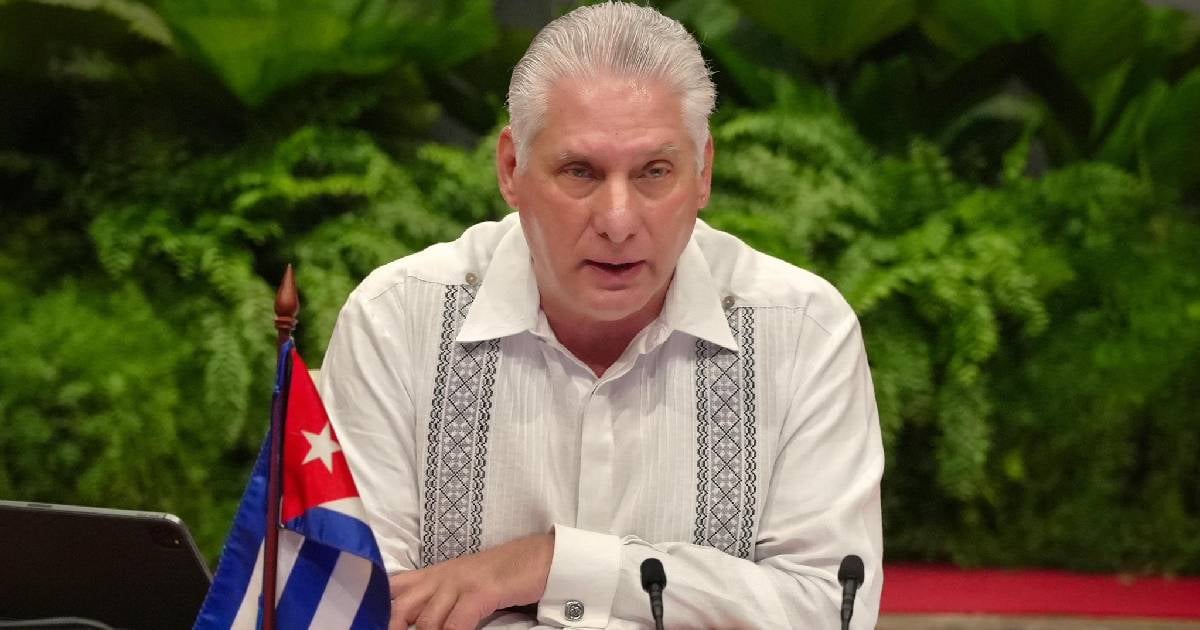
The Cuban leader Miguel Díaz-Canel denounced this Monday that civilians in Gaza are dying from “hunger and diseases without medical care,” while accusing Israel of genocide.
The leader used social media X to voice his nth protest against such a situation; however, within Cuba itself, there is a growing number of deaths due to malnutrition and lack of healthcare resources, a tragedy that the regime avoids acknowledging publicly.
In a report by the National Office of Statistics and Information (ONEI), it was revealed that between 2022 and 2023, deaths associated with malnutrition increased by 74.4%, rising from 43 to 75 fatalities, making hunger the twentieth leading cause of death on the island.
The majority were men (53), although the number of women also increased (22). These figures correspond to the E40 to E46 ranges of the International Classification of Diseases by the WHO, which cover cases of extreme hunger such as kwashiorkor and marasmus.
Children and the elderly, the most affected
The impact of the food crisis is particularly evident in the most vulnerable sectors. For the first time, UNICEF included Cuba in its report on child food poverty, warning that less than 10% of Cuban children have access to basic foods such as fruits, vegetables, meat, or fish. The elderly also suffer the consequences of food insecurity and the lack of nutritional supplements.
Double standard of the regime
While in Cuba thousands of patients do not receive the proper treatment due to a shortage of medications and many families resort to humanitarian visas to save their children's lives, the government focuses its discourse on the suffering in Gaza and uses public events, like the concert by Silvio Rodríguez at the university steps, to shout "Freedom" solely for Palestine.
The contrast exposes the regime's double standards, which denounces shortages in other countries while remaining silent in the face of the daily tragedy that afflicts its own population.
Frequently asked questions about the situation in Cuba and Díaz-Canel's stance
What is Díaz-Canel's stance on the crisis in Gaza?
The Cuban ruler Miguel Díaz-Canel denounced the situation in Gaza, accusing Israel of genocide, and pointing out that the civilian population is suffering from hunger and diseases without medical attention. However, this stance contrasts with the situation in Cuba, where there is also an increase in deaths due to malnutrition and lack of healthcare resources.
What is the situation of malnutrition in Cuba?
In Cuba, malnutrition has become a serious issue, with a 74.4% increase in related deaths between 2022 and 2023. Food insecurity particularly affects children and the elderly, with less than 10% of Cuban children having access to basic foods such as fruits, vegetables, meat, or fish.
Why is the Cuban government criticized in relation to the food crisis?
The Cuban government is criticized for diverting attention to international issues while ignoring the internal food crisis. Food shortages, inflation, and the collapse of basic services are serious problems, but the regime prefers to blame external factors such as the U.S. embargo instead of taking on internal responsibilities.
How does the electricity crisis affect the Cuban population?
The electrical crisis in Cuba has caused extended blackouts that impact everyday life, compromising access to water and food preservation. These blackouts worsen the quality of life for families, especially for children, and lead to anxiety and malnutrition.
Filed under: