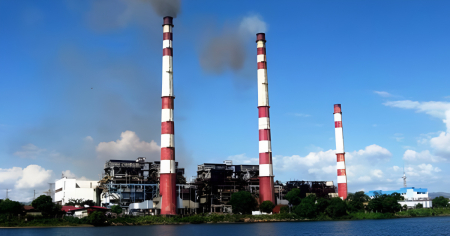
Miguel Díaz-Canel urged this Thursday to make adjustments to the "electricity schedule" in order to distribute power outages more equitably across the country. He acknowledged that there are "notable disparities" between regions that worsen the discontent of the population.
The Cuban leader participated in a videoconference broadcast from the Palace of the Revolution and linked with leaders of the Communist Party, government agencies, and representatives of social organizations in the provinces and on the Isle of Youth. In his speech, he addressed both the critical situation of the electric system and the difficulties with water supply, emphasizing the need to “explain more” to the citizens what is being done on both fronts.
The issue of electrical programming is crucial. I know it requires a lot of effort, but we have identified disparities. At times, too much protection is given to a provincial head, which ends up enjoying a relatively comfortable cycle, while a municipality experiences power outages of up to 25 hours. That cannot be acceptable,” said Díaz-Canel.
The leader's words sparked outrage on social media, where thousands of Cubans responded with irony, frustration, and anger.
Miguel Díaz-Canel urged on Thursday to make adjustments to the "electric programming" in order to distribute power outages more equitably across the country. He acknowledged that there are "notable disproportions" between regions that exacerbate the population's discontent.
“Is that the solution to the blackouts?”, questioned a user. Another commented: “If they knew what it's like to go 30 hours or more without power, with small children and bedridden individuals, they would have already found a solution to this major problem. The reality is that it doesn't affect them at all, which is a sad truth.”
Many accusations pointed directly at the privilege of the ruling elite. “There is a disparity in everything: they have electricity and the people do not. The people are dying of hunger while they have bellies that I don't know how the buttons of their shirts hold together. There are no medicines, hospitals are terrifying, there is no water, houses are falling apart, and these shameless individuals live the sweet life. And worst of all, you can't even express it, because you get imprisoned faster for demanding your rights than for committing actual crimes.”
Other messages were equally forceful:
- I just hope they include you and your loved ones in the blackouts.
- In the distribution they put their house, Marrero's and all the leaders'
- It's what they have always done: spread the misery, because they keep the wealth for themselves.
- While all countries talk about growing economically and creating better societies, here they talk about distributing misfortune equitably.
- Who said that enduring so much misery is dignity? Where is it written that resigning to have nothing is heroic? Please, living in misery is neither deserved nor dignified. Stop it now!
Díaz-Canel's reflection, rather than reassuring the population, reignited criticism of a government unable to resolve the energy crisis that has left Cuba in a state of increasingly prolonged blackouts with no prospect for improvement.
In 2024, a few days after protests against his government due to an increase in blackouts, Díaz-Canel assured that he was not disconnected from the people: “My friends and family complain that the situation is tough. I am in a family, friendship, and work environment where people have the same problems as the population because they are part of the community,” he said at the time, words that also sparked questions from the public.
Filed under: