
Related videos:
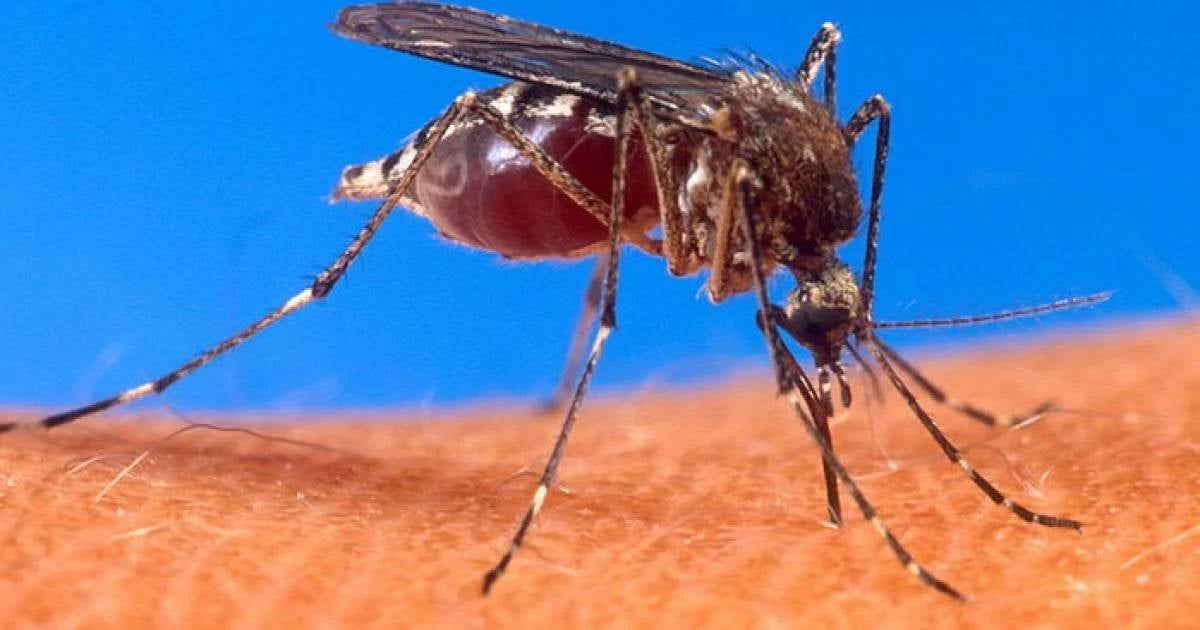
The municipality of Cárdenas, Matanzas, is facing a complex epidemiological situation characterized by an increase in cases of dengue and chikungunya, both diseases transmitted by the mosquito Aedes aegypti.
In an interview granted to Periódico Girón, Dr. Bella Canosa Besu, the municipal director of Hygiene and Epidemiology, explained that this increase coincides with the time of year when arboviral diseases are historically reported in the area, although the coexistence of both diseases complicates the situation.
According to the specialist, dengue remains the most common pattern, although chikungunya has gained ground in recent weeks. Its symptoms are characterized by sudden fever, intense joint pain, swelling, inflamed lymph nodes, and skin rashes, which can lead to incapacitation and complications such as dehydration. In the case of dengue, one of the most distinctive signs is the headache behind the eyes, even in the absence of fever.
Limitations on fumigation and entry protocols
Canosa Besu emphasized that the poor collection of solid waste in the city promotes the proliferation of the vector. Additionally, the scarcity of diesel limits the fumigation capacity. “We can kill the adult mosquito, but the breeding ground remains. That is why environmental sanitation actions are more important than fumigation,” he warned.
Regarding healthcare, a new national protocol has been implemented: patients exhibiting warning signs, those with comorbidities, or minors under 15 years of age are admitted to hospitals, while mild cases are managed at home under the supervision of a physician and the family nurse. For pregnant women, specific beds are designated to keep them isolated.
Call to the community
The epidemiologist, whose dialogue was published on the social network Facebook, emphasized that controlling the mosquito largely depends on community discipline. Keeping backyards clean, mowing common areas, covering water storage containers, and collaborating with sanitation campaigns are essential measures. “What we call weekly self-focalization should almost become a daily practice in this context,” she noted.
The doctor also dismissed rumors about the circulation of a new strain of Covid-19 in the area, although she confirmed that the booster vaccination campaign has been reactivated for at-risk groups and for children who are turning two years old.
In a context marked by a lack of resources, the specialist emphasized that the commitment of the population will be crucial to controlling the spread of dengue and chikungunya in Cárdenas.
Sprout in the midst of silence
The Matanzas journalist Yirmara Torres Hernández, former president of the Union of Journalists of Cuba (UPEC) in Matanzas, reported an outbreak of arbovirosis that, according to her, affects the entire province, and criticized the official handling of the issue by local media and health authorities.
“Matanzas is experiencing a complete outbreak of arboviruses!! Please, this is not happening only in Cárdenas... it’s throughout Matanzas... Don’t distort reality any further, nor spread misinformation,” wrote the communicator in an extensive post published on Facebook, where she criticized the coverage by the official channel TV Yumurí, which reported a situation focused on the municipality of Cárdenas.
Frequently asked questions about the epidemiological situation in Cárdenas, Matanzas
What is the current epidemiological situation in Cárdenas?
The municipality of Cárdenas in Matanzas is facing a complex epidemiological situation with an increase in cases of dengue and chikungunya, both diseases transmitted by the Aedes aegypti mosquito. Dengue remains more prevalent, although chikungunya has risen in recent weeks. The coexistence of both diseases exacerbates the scenario in the region.
What factors contribute to the proliferation of the Aedes aegypti mosquito in Cárdenas?
The proliferation of the Aedes aegypti mosquito in Cárdenas is facilitated by inadequate solid waste collection and a shortage of diesel, which limits fumigation capacity. Authorities emphasize the importance of environmental sanitation measures over fumigation to control the mosquito. Additionally, community commitment is crucial for keeping yards clean, mowing common areas, and covering water storage containers.
What is the current medical care protocol for cases of dengue and chikungunya in Cárdenas?
The medical care protocol in Cárdenas for dengue and chikungunya establishes that patients with warning signs, comorbidities, or those under 15 years of age are admitted to hospitals. mild cases are managed at home under the supervision of the doctor and the family nurse. For pregnant women, specific beds are provided to keep them isolated.
What preventive measures should the population take to control the outbreak in Cárdenas?
To control the outbreak of dengue and chikungunya in Cárdenas, the population must adopt preventive measures such as keeping yards clean, clearing common areas, covering water storage, and collaborating with sanitation campaigns. The so-called "self-focal" should be carried out almost daily in this context.
Is there any other illness that is worrying the authorities in Matanzas?
In addition to dengue and chikungunya, authorities have confirmed the circulation of the Oropouche virus in the region, which typically presents a mild clinical picture. The booster vaccination campaign for Covid-19 has also been reactivated for at-risk groups. Although there are no cases of yellow fever, a high epidemiological alert remains in place due to the risk of importation from South America.
Filed under: