
Related videos:
The chikungunya is advancing rapidly in Matanzas, leaving behind a trail of fever, unbearable pain, and fear in households. What began in July as a localized outbreak in the municipality of Perico now raises concerns for the entire province, where official reports and citizen complaints reveal a critical situation that the health system cannot contain.
According to a report this Monday from , the municipality of Cárdenas is experiencing a period of “high focality” with a sustained increase in febrile cases and symptoms compatible with chikungunya, a viral disease transmitted by the mosquito Aedes aegypti that causes widespread discomfort, high fever, and severe joint pain.
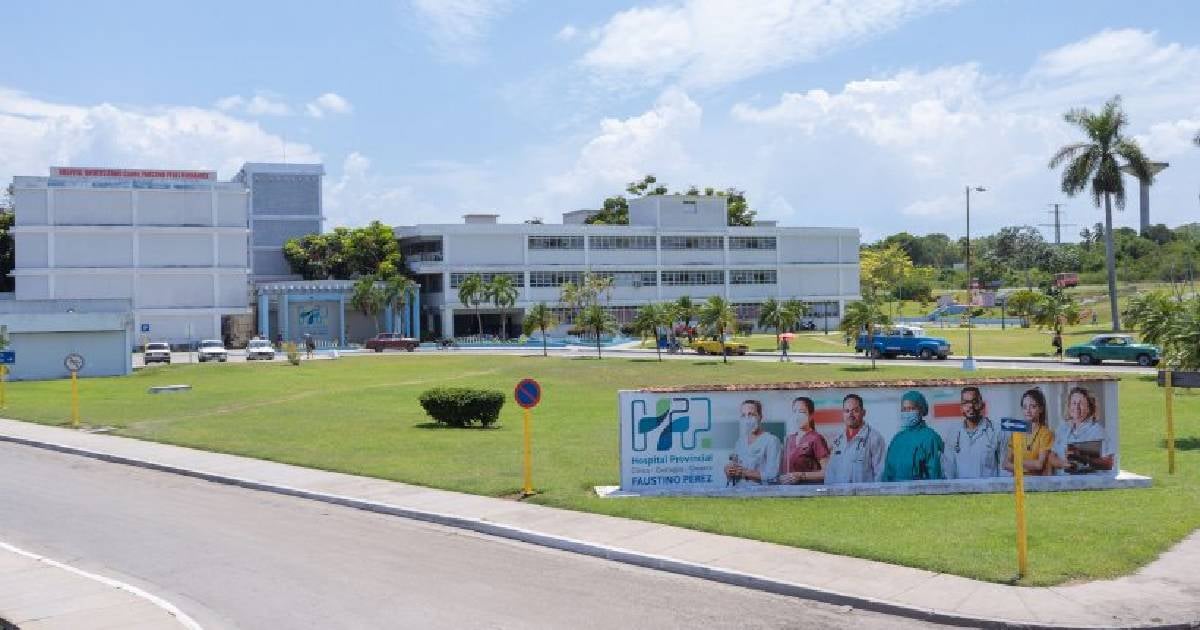
Although no fatalities have been reported, the impact on quality of life is devastating and forces entire families to take on the role of caregivers, while hospitals prepare to receive more patients.
The newspaper Girón depicted the situation in a report titled “That Which Is Going Around,” where it described how the illness has intruded into everyday life: it confines you to bed, robs you of your strength, and leaves lingering effects even after you have recovered from the fever.
Mothers, fathers, and elders carry various responsibilities within their homes as the virus severely impacts the daily lives of those affected.
Far from being an isolated issue, what is happening in Matanzas is connected to the accumulation of garbage, the lack of sanitation, and the endless blackouts, conditions that favor the proliferation of mosquitoes. “The Aedes aegypti has us on red alert,” acknowledged Girón, also referring to the simultaneous circulation of dengue and oropouche.
Health emergency requirements
The local press report coincided with a demand from activist Amelia Calzadilla, who questioned on social media why the Presidency of Cuba has not declared a state of health emergency in Matanzas.
"Children, the elderly, workers, and students are bedridden with severe bone and muscle pain, weakness, and high fever. What virus is this? How can it be prevented? How is it treated?" he wrote, warning that the population lacks clear information and access to medications.
Calzadilla even called for humanitarian aid: “It’s about people’s lives, stop playing at being gods.”
The data confirms that the situation has been deteriorating for months. In July, the Pedro Kourí Institute (IPK) certified the presence of chikungunya in Perico. In August, the epidemiologist Francisco Durán acknowledged that transmission remained active and that the symptoms, primarily severe joint pain, were affecting patients for an extended period.
Complaints from residents in Santa Marta, just a few kilometers from Varadero, highlighted overflowing garbage dumps next to a children's nursery and a polyclinic, while the community reported that “more than 70% of the neighborhood” was suffering from fever, vomiting, and weakness without medication to alleviate the symptoms.
In mid-September, Durán himself admitted that there were already eight patients in intensive care due to dengue in the country, as mosquito infestations reached record levels.
Between resignation and denunciation
In Matanzas, daily life has become a struggle against fever and a lack of resources. The sick are piling up in homes and hospitals, while power outages and accumulated garbage make it impossible to contain the mosquito. “When one falls, many around it fall,” recounted a neighbor from Santa Marta.
Chikungunya is usually not fatal, but it can leave lasting effects and strikes hard in a context where there is a shortage of medications, insecticides, and healthcare services. What truly becomes lethal is the combination of scarcity, official indifference, and lack of information— a cocktail that has turned Matanzas into the epicenter of a health emergency that the government is trying to downplay, but which has already overwhelmed Cuban households.
Filed under: