
Related videos:
The North Atlantic Council met on September 23, 2025, to firmly condemn the incursion of three Russian fighter jets into Estonian airspace on September 19 and to warn Moscow that it will utilize "all its strength," both military and non-military, to defend its members.
Estonia invoked Article 4 of the Washington Treaty —which obliges allies to consult when the security, territorial integrity, or political independence of one of them is threatened— after deeming the violation unacceptable.
The incident involved three Russian MiG-31 airplanes, which had no filed flight plans, turned off transponders, and lacked bidirectional communication with Estonian air traffic control, entering Estonian airspace near Vaindloo Island in the Gulf of Finland for about 12 minutes.
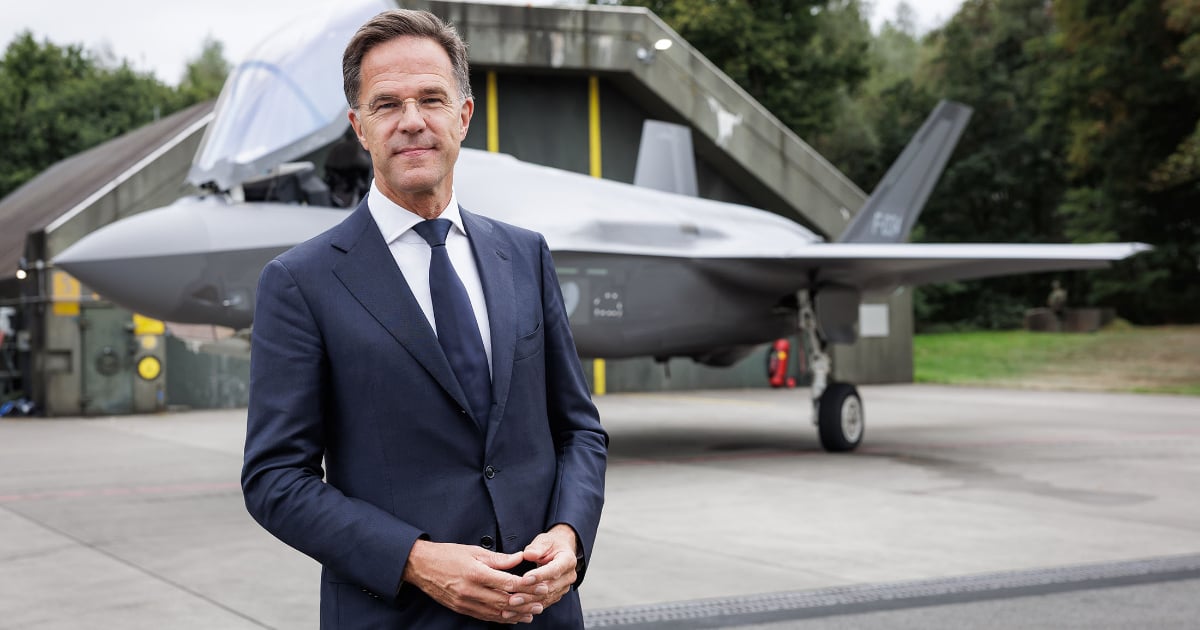
NATO forces, including Italian F-35 fighters under the Baltic Air Policing mission, along with support from Finland, intercepted and escorted them out of the airspace.
The statement from the North Atlantic Council noted that this violation is part of a broader pattern of irresponsible, provocative, and potentially dangerous Russian actions, which could lead to miscalculations that put lives at risk.
In recent days, other allies such as Poland, Latvia, Lithuania, Norway, and Romania have also reported violations of their airspace by Russian drones or aircraft. Estonia has expressed full solidarity with all affected members.
NATO reminded that on September 12, it launched Operation Eastern Sentry to strengthen its eastern flank, in response to the increase in Russian air and drone incursions, particularly following the unauthorized entry of multiple drones over Poland.
In its statement, the Alliance insisted that Russia bears full responsibility for the violations of allied airspace, and that such acts must cease immediately.
He also warned that there is no doubt that NATO will use “all necessary military and non-military instruments” to defend its territory, at the time, in the manner, and to the extent it sees fit, in accordance with international law, including its unwavering commitment to Article 5, which regards an attack on one ally as an attack on all.
The Estonian authorities have demanded a united response from allies, emphasizing that such acts cannot be repeated without consequences. Prime Minister Kristen Michal described the violation as "completely unacceptable," and Foreign Minister Margus Tsahkna classified it as the most serious of the year.
The diplomatic pressure, the military reinforcement of NATO's eastern flank, and the escalating rhetoric indicate that the Alliance is determined to resist what it sees as deliberate provocations from Russia.
Poland issues a direct warning to Russia at the UN: "They have been warned."
Hours before NATO issued its strong statement regarding the violation of Estonian airspace, Poland's Foreign Minister, Radosław Sikorski, delivered one of the most forceful warnings made thus far in the UN Security Council.
Referring to the recent incursions of Russian fighters into Estonia and the previous incidents involving drones over Poland, Sikorski warned that any new violation could have immediate military consequences.
“If another missile or aircraft enters our airspace without permission, whether intentionally or by mistake, and is shot down with its debris landing in NATO territory, please do not come here to complain. You have been warned,” he stated emphatically during the session called at the request of Estonia, according to the agency PAP.
Sikorski also accused Moscow of systematically lying and failing to show any signs of de-escalation, even after the multiple violations reported by various countries on the eastern flank of the Alliance. He stated, “In the past we overlooked it, but now we have not heard any apologies; only lies combined with intensified attacks against Ukraine.”
The Polish statement reinforces the growing consensus among allies that Russian provocations have exceeded acceptable limits. Sikorski's warning was echoed by other European leaders and allies in the Council, who agreed that the situation poses a real risk of direct confrontation with Russia.
From Washington, the U.S. Ambassador to the UN, Michael Waltz, agreed that Russia's actions pose a serious threat: “Russia must cease these provocations and respect the sovereignty of its neighbors.”
For his part, the Estonian Foreign Minister, Margus Tsahkna, denounced with graphic evidence the incursion of three armed MiG-31s, describing the violation as “absolutely clear.”
With this new warning from Warsaw, Poland makes it clear that it will no longer tolerate further air violations. NATO's position, reaffirmed hours later by the North Atlantic Council, leaves little room for ambiguity: any attack against a member will be met with "full force," in accordance with Article 5 of the North Atlantic Treaty.
Russia claims it is already at war with NATO following drone incursions and mutual threats
The military and diplomatic escalation of recent weeks intensified further after the Kremlin publicly stated that Russia is already "de facto" at war with NATO, following drone incidents in Polish territory and the increased Western support for Ukraine.
NATO is at war with Russia. This is obvious and does not require further evidence,” stated the spokesperson for the Kremlin, Dmitri Peskov. He explained that the military assistance—both direct and indirect—that the Alliance countries provide to Ukraine amounts to active involvement in the armed conflict.
Peskov's statements added to those of the former Russian president and current vice chairman of the Security Council, Dmitri Medvédev, who warned on his Telegram channel that the establishment of a no-fly zone over Ukraine and the downing of Russian drones by NATO allies "would mean a NATO war with Russia."
Medvedev went further by threatening retaliation if the frozen Russian state assets in Europe are transferred to Ukraine as part of a war reparations scheme. "We will pursue those responsible in all possible courts, and in some cases, outside of them," he stated.
These threats occurred in an increasingly volatile context. Days earlier, a series of Russian drones violated Polish airspace, prompting condemnation from Warsaw and reinforcing NATO's military deployment on its eastern flank.
In response, the Secretary General of the Alliance, Mark Rutte, announced Operation 'Eastern Sentinel', involving air and naval forces from several member countries.
Rutte described what happened in Poland as "the largest concentration of NATO airspace violations ever seen" and warned that the incident is not isolated. Meanwhile, in Kyiv, pressure is mounting for allies to authorize the downing of Russian drones before they cross allied territory, a decision that, according to Moscow, would inevitably lead to a direct confrontation.
The seriousness of the Russian statements suggests that the symbolic threshold of confrontation has already been crossed, and that the forthcoming actions on the ground—or in the air—could have unpredictable consequences for Europe's security.
Filed under: