
Related videos:
Five citizens from the municipality of Yateras, in the province of Guantánamo, were sentenced to prison terms for the crime of soil contamination related to illegal gold extraction, after being found guilty in a trial held by the People's Municipal Court of that locality.
During the hearing, documentary, testimonial, and expert evidence was presented that demonstrated the criminal responsibility of the defendants, who received sentences ranging from one year and six months to two years and seven months of imprisonment, based on the severity of their actions, reported the state newspaper Venceremos.
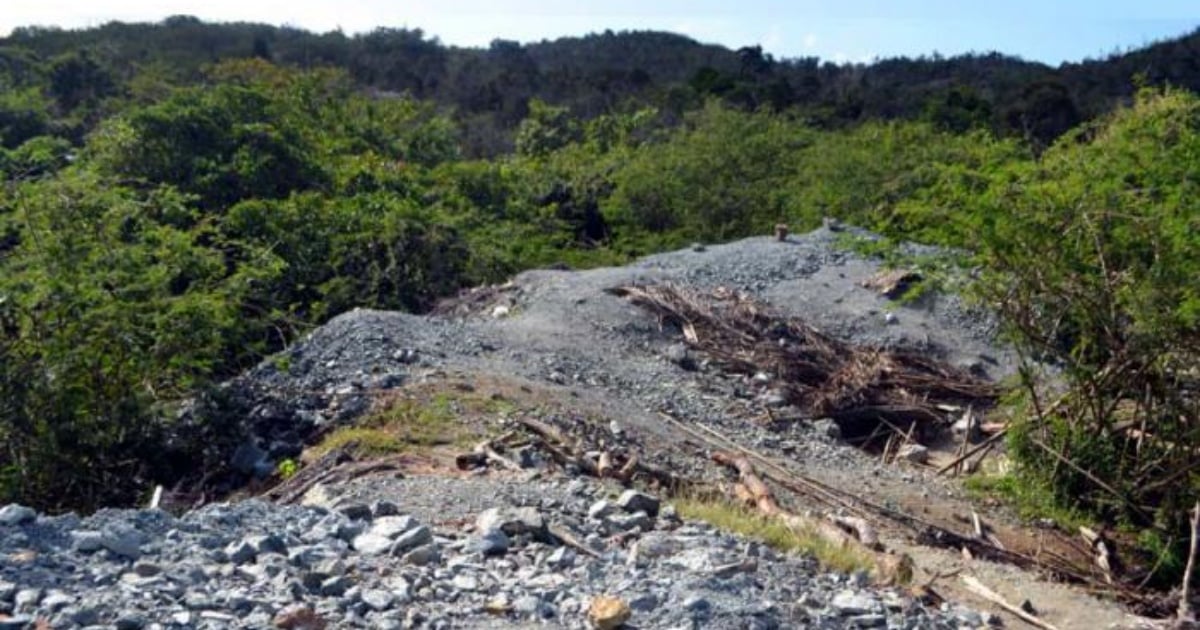
According to the Prosecutor's Office, those involved were engaged in the illegal extraction of gold in the area of Piedra la Vela, along the banks of the Toa River, a wooded and intricate region that is part of the Alejandro de Humboldt National Park, declared a World Heritage Site.
As additional penalties, the confiscation of the instruments used in the illegal activity, the deprivation of public rights, and the prohibition of applying for a passport or leaving the country while serving their sentences were imposed.
The authorities assured that throughout the entire process, the procedural guarantees and due process were respected, in accordance with what is established in the Constitution of the Republic.
Both the accused and the Prosecutor's Office have the right to file an appeal against the ruling issued, the rotary noted.
Just two weeks ago, Cuban authorities reported the detention of four more individuals linked to illegal gold extraction in the municipality of Moa, Holguín, where they also confiscated over 418,000 pesos and items related to the practice.
According to that version, the operation took place in the Yamanigüey area following "a thorough investigative process" that allowed for the confiscation of metal parts, tools for the activity, and cash.
The detainees will face charges for "illicit economic activity and soil contamination," according to the official account.
This is not an isolated case. In August, a farmer was caught in Jobabo, Las Tunas, while operating a homemade mill to process gold-bearing soil. In March, also in Jobabo, eight people were arrested for extracting and trafficking gold dust with specialized tools. Even in Santa Clara, law enforcement dismantled an illegal mining camp months ago.
Official profiles insist on presenting these events as serious crimes against the environment and the "reserves of the nation," but they overlook the underlying issue, which is the deep economic crisis that drives Cubans to engage in high-risk practices to survive.
The absolute control of the State over the exploitation of natural resources and the lack of legal opportunities turn these practices into targets of repression, even though behind each case lie stories of necessity rather than "parasitism," as the official publication itself described.
The gold rush in eastern Cuba not only reflects an environmental problem but also a symptom of the precariousness and inequality that characterize everyday life on the island.
Frequently Asked Questions about Sentences for Illegal Gold Mining in Guantánamo
Why were the citizens of Yateras in Guantánamo convicted?
Citizens were convicted of soil contamination offenses after being discovered illegally extracting gold in the Alejandro de Humboldt National Park.
What sanctions did the accused receive for the illegal extraction of gold?
The accused were sentenced to prison terms ranging from one year and six months to two years and seven months. Additionally, they were imposed the confiscation of the instruments used, the deprivation of public rights, and the prohibition of applying for a passport or leaving the country.
What is the relationship of this case with the National Exercise of Crime Prevention and Combat?
This case of illegal gold extraction falls within the framework of the IV National Exercise for Prevention and Combating Crime in Cuba. The objective of this exercise is to strengthen preventive actions against crimes, corruption, and antisocial behaviors, through the actions of state bodies and the Ministry of the Interior.
How does illegal mining affect the environment in Cuba?
Illegal mining, such as that which occurred in Guantánamo, causes soil contamination and severely impacts local ecosystems, especially in protected areas like the Alejandro de Humboldt National Park, designated as a World Heritage Site.
Filed under: