
Related videos:
The Political Bureau of the Communist Party of Cuba (PCC) announced new changes in the leadership of the main state-run newspapers.
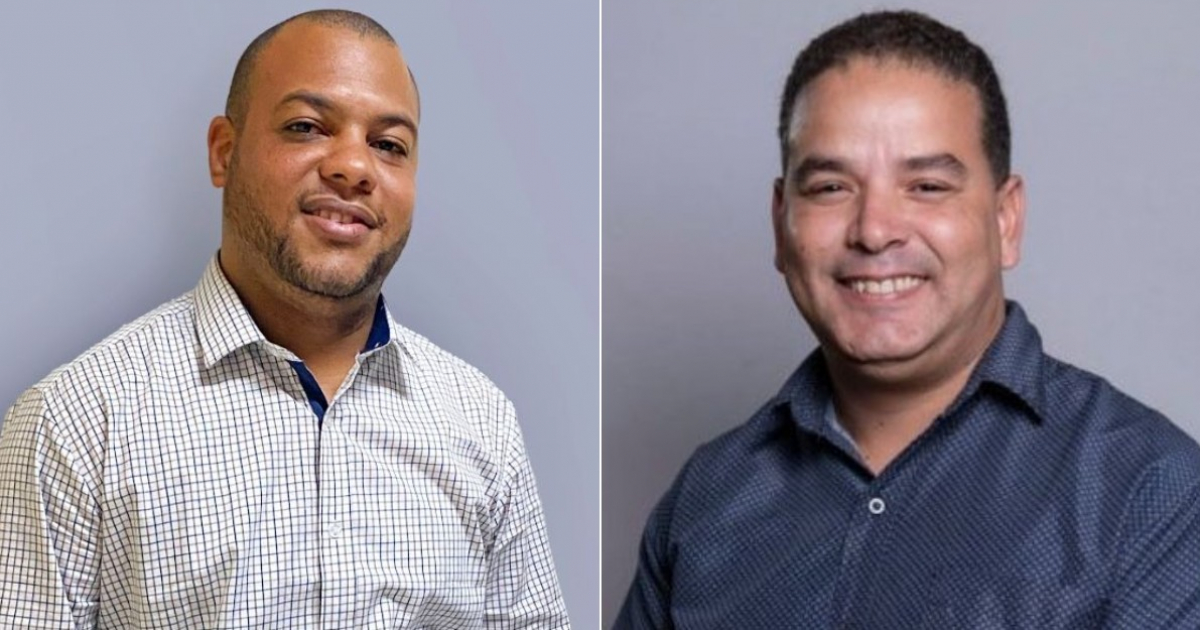
Yoerky Sánchez Cuéllar, until now the director of Juventud Rebelde, has been promoted to the direction of Granma, while Yuniel Labacena Romero, 36 years old, takes over the leadership of the organ of the Young Communist League (UJC).
The change is nothing more than a simple maneuver within the regime's media machinery, where leadership positions in the state press are determined not by journalistic results, but by political loyalty.
Sánchez, 41 years old, is not only a journalist but also a member of the National Assembly, a member of the Central Committee of the PCC, and a member of the Council of State.
His rise to Granma confirms that obedience to the party apparatus is the only requirement to lead the newspaper that serves as the official organ of the PCC.
For his part, Labacena Romero, a graduate of 2014, has spent his entire career at Juventud Rebelde, where he trained as a reporter and eventually became the deputy editorial director.
It also integrates the National Committee of the UJC, ensuring the continuity of the ideological line defined by the Party.
Background of silent dismissals
The movement comes more than a year after Yailín Orta Rivera's departure from the direction of Granma.
Her dismissal was never officially announced, although in May 2024, two months after she had left the position, internal sources confirmed to the portal CubaNet that her management had led to the departure of journalists and a climate of tension in the newsroom.
The influencer Alexander Otaola then reported that she was accused of theft and embezzlement, involving car parts, complete cars, and hundreds of boxes of chicken intended for the feeding of the newspaper's workers.
Orta, who previously led Juventud Rebelde, headed Granma from December 2017 until she was temporarily replaced by Dilbert Reyes Rodríguez, until Sánchez is now officially designated as the new director.
The secrecy surrounding the departure of executives is a constant issue. Granma itself kept Orta on its "Who We Are" page for months, while Díaz-Canel visited the facilities accompanied by the already dismissed official, without mentioning the changes.
This opacity reflects the lack of transparency in the system, where leadership transitions are decided in party instances without accountability to the public.
A press without its own voice
In Cuba, the official press does not act as a checker of power nor does it respond to the needs of its readers. A large part of its pages is devoted to reproducing slogans, justifying government policies, and glossing over the deep crisis the country is facing.
Social criticism, citizen denunciations, or open debates have no place in publications like Granma or Juventud Rebelde, leading to a growing disconnect between the population and these media outlets.
Díaz-Canel, during a visit to Granma in 2023, emphasized that it should become "the most read newspaper in Cuba" and attract young audiences with "originality and innovation."
However, he avoided mentioning the lack of credibility of its content, one of the most criticized points by Cubans who, for the most part, reject the triumphant and propagandistic tone used to obscure the national reality.
Propaganda instead of journalism
The transfer of directors between Juventud Rebelde and Granma confirms a pattern that has been repeating for years: when one director falls from grace, another is moved from a related outlet, regardless of the results or the quality of the work done.
It is not about strengthening journalism, but rather maintaining strict control over the official narrative.
As the country endures one of the worst economic and social crises in its history, the main newspapers on the island merely serve as spokespeople for the Party, unable to question government management or reflect the daily lives of Cubans, which are characterized by scarcity, inflation, and power outages.
Frequently asked questions about changes in the Cuban state press
Who are the new directors of the newspapers Granma and Juventud Rebelde?
Yoerky Sánchez Cuéllar has been appointed as the new director of the Granma newspaper, and Yuniel Labacena Romero has taken over the direction of Juventud Rebelde. Both changes reflect the continuity of the ideological line of the Communist Party of Cuba in the state press.
What implications does the change of leadership in the Cuban press have?
The changes in management within the Cuban press are not based on journalistic outcomes, but rather on political loyalty to the regime. These movements confirm that obedience to the party apparatus is the primary criterion for leading official media, perpetuating a narrative that favors the government and marginalizes social criticism.
Why was Yailín Orta Rivera dismissed from the direction of Granma?
The dismissal of Yailín Orta Rivera was not officially announced, but internal sources indicated that her management generated tensions and the departure of journalists. This secrecy is typical of the Cuban regime, which makes changes in the press without being accountable publicly.
How does the lack of transparency in leadership changes affect the credibility of the Cuban press?
The lack of transparency in management changes further undermines the credibility of the official press, which is already compromised by its role as the spokesperson for the Communist Party. This opacity reinforces the perception that state media is not a reliable source of information for the public.
Filed under: