
Related videos:
Several state-run media have sought to explain the electrical crisis and criticize those who express dissatisfaction over the prolonged power outages, highlighting the efforts of the workers of the National Electric System (SEN) and blaming the U.S. embargo for the shortage of fuel and resources.
By the way, the official journalist Bárbara Betancourt stated that cursing the country or its leaders during power outages is unfair, and she defended the work of the technicians who risk their lives to maintain electricity generation amid increasing deficits, during the latest edition of the podcast “Chapeando bajito,” from the digital portal Cubadebate, hosted by the also official journalist Arleen Rodríguez Derivet.
"The truth is that, while sharing the discomfort—because we also experience blackouts and it's legitimate to complain, to curse the country or those who govern during each blackout—it is neither fair nor does it resolve anything, except to intensify our individual and collective discontent," Rodríguez emphasized during the podcast presentation.
Engineers and official specialists, such as engineer and professor María del Carmen Hernández, have shared technical explanations on social media about the operation of turbines and superheated steam, attempting to justify the blackouts as phenomena resulting from the system's operation and the lack of fuel.
Although Rodríguez agreed that “[no one can question that people express doubts], confusion, and even enter a state of denial in accepting explanations until they are kept in the loop.”
And he went on to refer to the young turbine operator, 33 years old, who passed away after several days of fighting for his life, following a serious work accident at the Antonio Maceo Grajales “Renté” Thermoelectric Power Plant in Santiago de Cuba.
In his opinion, the workers of SEN risk their lives to keep the lights on with obsolete plants that are nearly 50 years old and lack technological renewal, which, he said, “is called a blockade.”
However, the reporter avoided mentioning that the Cuban government itself allocated over 200 million dollars to build the luxury hotel Torre K, a behemoth of 42 stories located in the heart of El Vedado, which remains nearly empty, a symbol of privilege and excess amidst daily blackouts affecting the entire country.
He also stated that not everything that could improve the lives of the population can be disclosed, “because persecution follows closely behind” and that even promising economic agreements like those signed in Algeria, during the first tour of the leader Miguel Díaz-Canel in Asia (November 2022), were published and then faded away a week later.
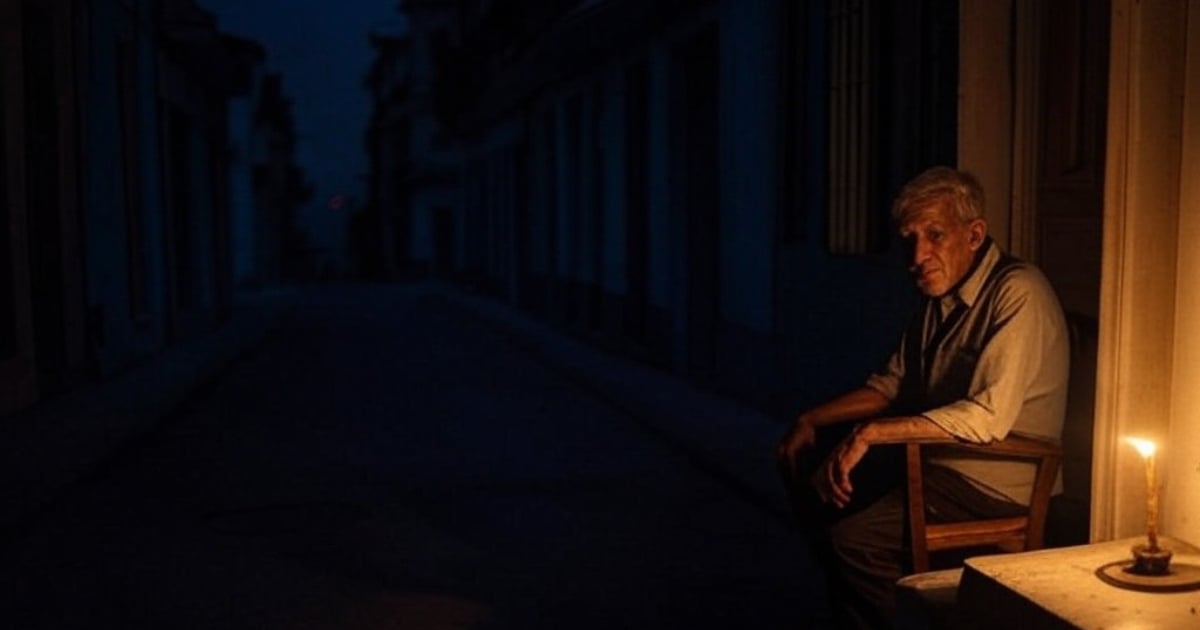
User comments reflect deep dissatisfaction with the management of blackouts and the official justifications.
One of the forum users reported that in the provinces, electricity is available intermittently, for three hours during the day and three in the early morning, making basic tasks like cooking, lighting, or watching television difficult, and stated that citizens are unaware of how long each power cut will last.
Aimara questioned why the summer relief promises were not fulfilled and expressed her skepticism about any long-term solutions. Recently, the official journalist Ana Teresa Badía criticized on social media the failure to meet the government's promise to reduce blackouts in Cuba for the summer.
Concerned, Colorado pointed out that some international agreements, such as those signed with Algeria and the Russian mega-credits, were lost and criticized the lack of clear communication to the public regarding key energy decisions.
Israel Kant denounced that during the blackouts, the people suffer firsthand, affecting children and mothers who lose food, milk, and yogurt, while the state management merely points to the blockade as the culprit, ignoring internal problems such as corruption, resource misallocation, and poor planning.
Carlos La Rosa emphasized that technical explanations are plentiful, but they are difficult for most citizens to understand. He highlighted the need to invest in renewable energies and to maintain clear and empathetic communication with the population, acknowledging the errors in energy planning.
Cecilia criticized the disconnect between official explanations and the experiences of citizens on communication channels like Telegram, where thousands of comments go unanswered.
Libra warned that, although the blockade has an impact, internal apathy, delays in decision-making, and the lack of self-criticism exacerbate the crisis and undermine the achievements of the revolution.
He emphasized that the population is facing a buildup of problems: continuous blackouts, food loss, limited water supply, poor transportation, lack of medications, and deterioration of cultural infrastructure, and he called for communication to be more transparent and effective.
The tension between the official narrative and citizen perception highlights that the Cuban energy crisis is not only technical but also social and political.
Frequently Asked Questions about the Energy Crisis in Cuba
What is the main cause of blackouts in Cuba?
The main cause of power outages in Cuba is technological obsolescence and the lack of investment in the National Electric System (SEN). The thermoelectric plants have been in operation for decades without renewal or adequate maintenance, leading to frequent failures and electricity cuts. Additionally, the fuel shortage and poor planning exacerbate the situation.
How does the Cuban government justify the continuous blackouts?
The Cuban government attributes the blackouts to the U.S. embargo and the lack of resources, indicating that these limitations hinder the necessary technological renewal. The official narrative also highlights the efforts of the workers of the National Electric System (SEN), who operate under precarious conditions due to the lack of investment.
What impact do blackouts have on the daily lives of Cubans?
Blackouts severely impact the daily life of Cubans, making basic tasks such as cooking, refrigerating food, and studying difficult. The lack of electricity also leads to food spoilage and restricts access to drinking water. Furthermore, this situation is generating increasing social unrest, as citizens feel ignored due to the government's lack of communication and solutions.
What do Cuban citizens think about the government's management of the energy crisis?
The general perception among Cubans is one of frustration and distrust towards the government. Many criticize the lack of transparency and the unfulfilled promises regarding the reduction of blackouts. The government's management has been described as ineffective, with an official narrative that does not reflect the daily reality experienced by the population.
Filed under: