
Related videos:
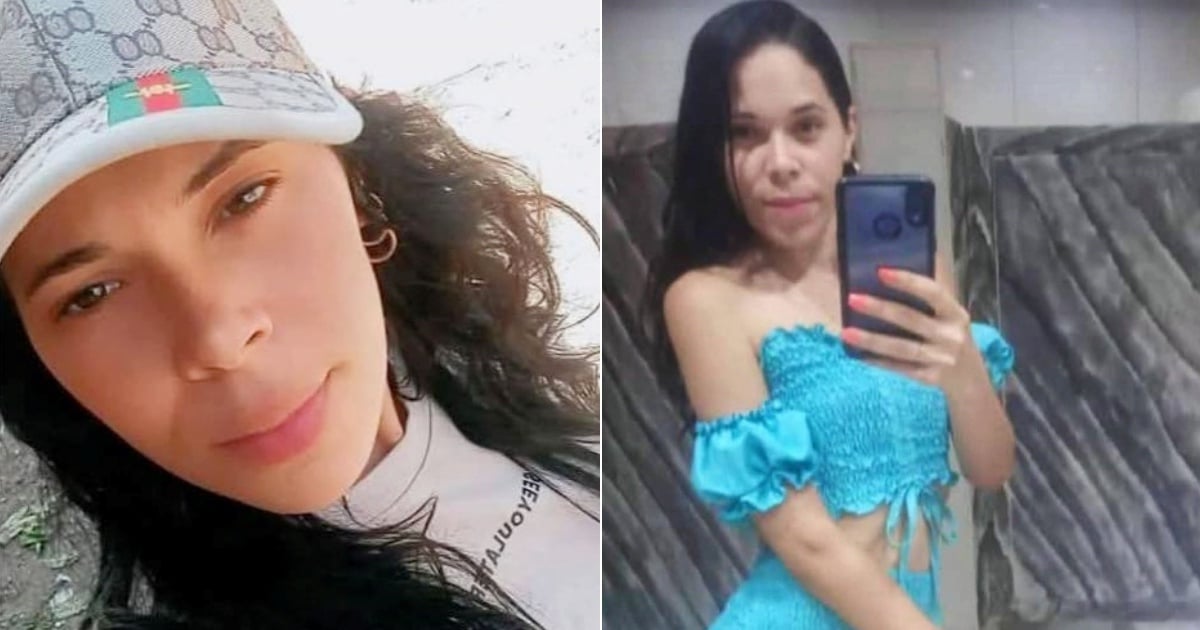
The young mother Daily Acosta, who had been reported missing in La Güinera for two days, was found deceased this Friday in an area near Parque Lenin, according to confirmation in recent hours from independent media and relatives of the family.
In the days leading up to the discovery, neighbors, family, and friends rallied intensively, both on the streets and on social media, in a collective effort to find her.
Among the messages shared, the one posted by his partner, Lázaro Ambert, stood out, in which he expressed on Facebook:
"Where are you, my take? I miss you... come back because I'm here as always, ready to stand up for you... remember that we are a team. I won't stop looking for you, even if it drives me crazy in the process; it's worth it to me... I love you, come back my sunshine."
The outcome of the search has caused shock in the Havana neighborhood, located in the Arroyo Naranjo municipality, where residents had come together to support the family.
Now, the pain transforms into a demand: they are calling for justice and clarification of the circumstances surrounding Daily's death, leaving behind two young daughters who are now orphaned.
As of the publication of this article, no details have emerged that provide clarity regarding the circumstances of the disappearance or the tragic discovery.
The event has reignited public concern due to the lack of official data on feminicides in Cuba.
Various independent organizations, such as the Gender Observatory of Alas Tensas (OGAT) and Yo Sí Te Creo en Cuba, have documented over 270 murders of women since 2019.
Only in 2024, there were 55 reported cases, and so far in 2025, more than 30.
Despite the increasing number of cases, there is no legal classification of femicide in Cuba nor effective public protocols for the search of missing women.
Activists also denounce the criminalization of feminist activism and the lack of access to official information, which forces communities to organize independently in response to these tragedies.
Frequently asked questions about femicides and disappearances in Cuba
What is the current situation of femicides in Cuba?
In Cuba, the number of femicides continues to rise, without the government having implemented effective measures for their prevention. So far in 2025, independent organizations have documented at least 30 femicides, but the Cuban state does not officially recognize the term nor has it classified the crime in its Penal Code. The lack of official statistics and government silence worsen the situation, leaving victims and their families without the necessary support.
How do communities in Cuba organize themselves in the face of a lack of institutional response?
Communities in Cuba have taken the initiative to organize on their own. In response to the inaction of the State, family members and neighbors turn to social media, independent media, and community groups to highlight cases of disappearances and femicides. These actions aim to fill the gap left by the authorities and to push for justice and clarification of the cases.
What role do feminist organizations play in Cuba in response to femicides?
Organizations like the Gender Observatory of Alas Tensas and Yo Sí Te Creo en Cuba play a crucial role in documenting and highlighting femicides. These independent platforms collect data, denounce the lack of state action, and work to keep public attention on these crimes. Despite the challenges, they continue to advocate for the creation of public policies that protect women and prevent gender-based violence.
What challenges do the families of the victims face in Cuba?
The families of the victims face multiple challenges, including inaction from authorities and a lack of social and economic support. The absence of effective protocols for the search of the missing and the official silence leave families in a state of distress and helplessness. Furthermore, economic difficulties exacerbate their situation, especially when the murdered women were the breadwinners of their households.
Are there protocols in Cuba for searching for missing women?
In Cuba, there are no effective public protocols for the search of missing women. This lack forces communities to search for missing individuals on their own, while the State does not provide immediate alert channels or institutional coordination for these cases, which increases the risk for the victims.
Filed under: