
Related videos:
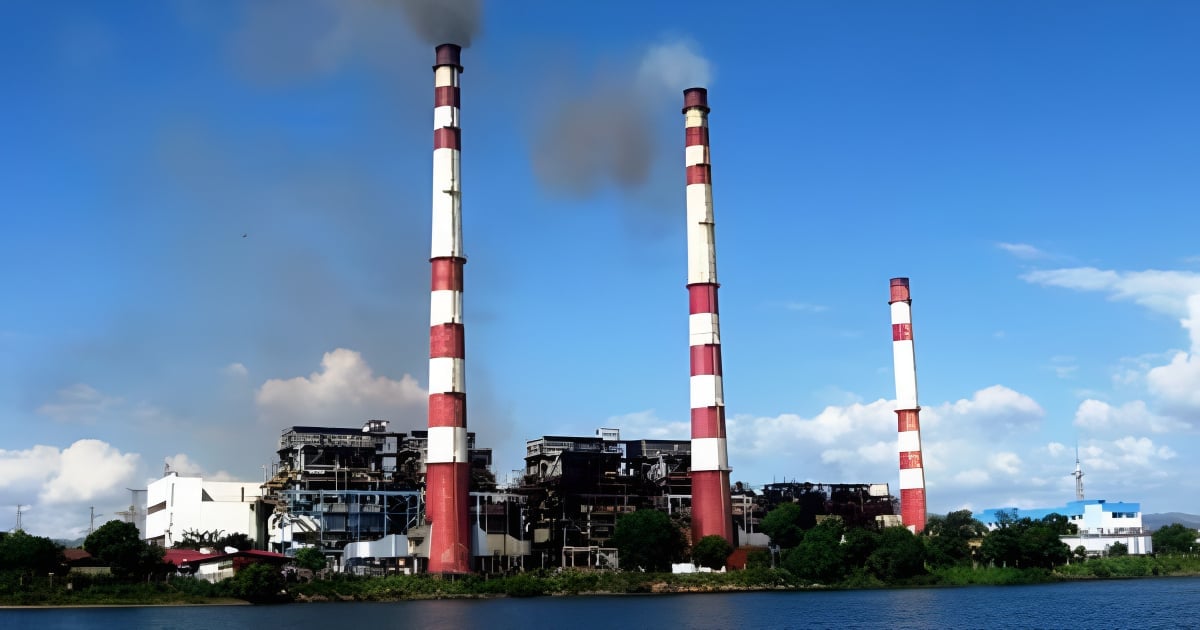
Two blocks of the Antonio Maceo Thermal Power Plant, known as Renté, in Santiago de Cuba, were reconnected to the National Electric System on Wednesday.
According to a statement by the Unión Eléctrica (UNE) in a post on Facebook, Unit 3 came online at 5:20 PM, and shortly after, at 5:38 PM, Unit 6 was also synchronized, which allowed for an increase in generation capacity in the eastern part of the country.
In recent days, CTE Renté has shown marked instability, with constant fluctuations in its generating units, a situation that keeps the population under continuous blackouts and with no signs of improvement.
Although the incorporation of both units was announced with optimism, CiberCuba found that numerous residents in Santiago de Cuba were facing prolonged power outages, in many cases longer than those scheduled in the official program.
The announcement of the reintegration of units at the Renté thermoelectric plant failed to excite users on social media, where expressions of skepticism and frustration were plentiful.
“Is this, by any chance, a game where they come and go as they please?” questioned Luar Bontempo Camejo, reflecting the disbelief of many.
“Let's hope it lasts at least three days,” commented Juan Antonio Roque with irony, while Tonito Rodrigo remarked: “They look like generators instead of thermoelectric plants.”
Other readers insisted that the synchronization does not bring relief. "Everyone can log in, and we are still in the dark," stated Mario Aroche Arias.
“Now two are out,” wrote Robert Efi Eroko Enlluao Pérez, highlighting the lack of confidence in the stability of the SEN.
There were also direct complaints: “Why don’t you turn the power on in block 2, which is scheduled for 4 PM?” questioned Marilin Girón de Armas.
The criticism even extended to state management: Envimex Hlg sarcastically noted that “the UNE and the INRH are competing to see which one messes us up first.”
More forceful was Ruslan Esclante, who stated: “They keep cutting off the power, just end this for Haiti now, the story is over. Neither coming nor going, stop playing with the people, compadre.”
The skepticism of the population is justified. Last Sunday, just three days ago, two blocks of Renté went offline during a day of heavy rains in the eastern part of the country.
The UNE announced on its Facebook page that at 4:07 PM, Unit 3 went offline due to low vacuum, and just seven minutes later, at 4:14 PM, Unit 5 also went out of service, the cause of which was still under investigation at that time.
The general director of the plant, Jesús Aguilar Hernández, explained to the official press this Tuesday that blocks three, five, and six were out of operation due to severe weather conditions, while teams of technicians attempted to restart block six to reintegrate around 50 megawatts into the SEN, a goal that was achieved the following day.
Exactly a week ago, Unit 5 of Renté was taken out of service due to a leak at the water station, and at that time, the management indicated how long it would remain that way.
That instability coincided, in addition, with a visit from the leader Miguel Díaz-Canel to the CTE, which even in the official speech failed to convey optimism, despite the fact that the president "promised" —as if it were a guaranteed solution— an improvement by the end of the year, since in the end, practice is the criterion of truth, and reality has once again contradicted the regime.
Frequently Asked Questions about the Energy Crisis in Cuba and the Renté Thermoelectric Plant
Why is the Renté thermoelectric plant important for the National Electric System of Cuba?
The Renté thermoelectric plant is crucial because it provides a significant portion of energy to the National Electric System (SEN), especially in the eastern part of the country. Its instability directly affects electricity generation capacity, contributing to the frequent blackouts experienced by the Cuban population.
What are the causes of the frequent breakdowns at the Renté thermoelectric plant?
The breakdowns at the Renté thermoelectric power plant are due to several factors: technological obsolescence, lack of proper maintenance, and shortages of spare parts. These conditions are exacerbated by adverse weather conditions and technical failures such as "low vacuum."
How does the energy crisis in Cuba affect the population?
The energy crisis in Cuba is severely impacting the population, with prolonged blackouts exceeding 20 hours a day in some provinces. This affects daily life, access to water, the ability to cook, and overall quality of life. The situation is causing discontent and protests among citizens.
What measures has the Cuban government announced to address the energy crisis?
The Cuban government has announced modernization and renewable energy projects, but the measures have not succeeded in resolving the energy crisis. Promises of stability and improvements have not translated into a real solution, and the reliance on outdated thermoelectric plants remains a structural issue.
Filed under: