
Related videos:
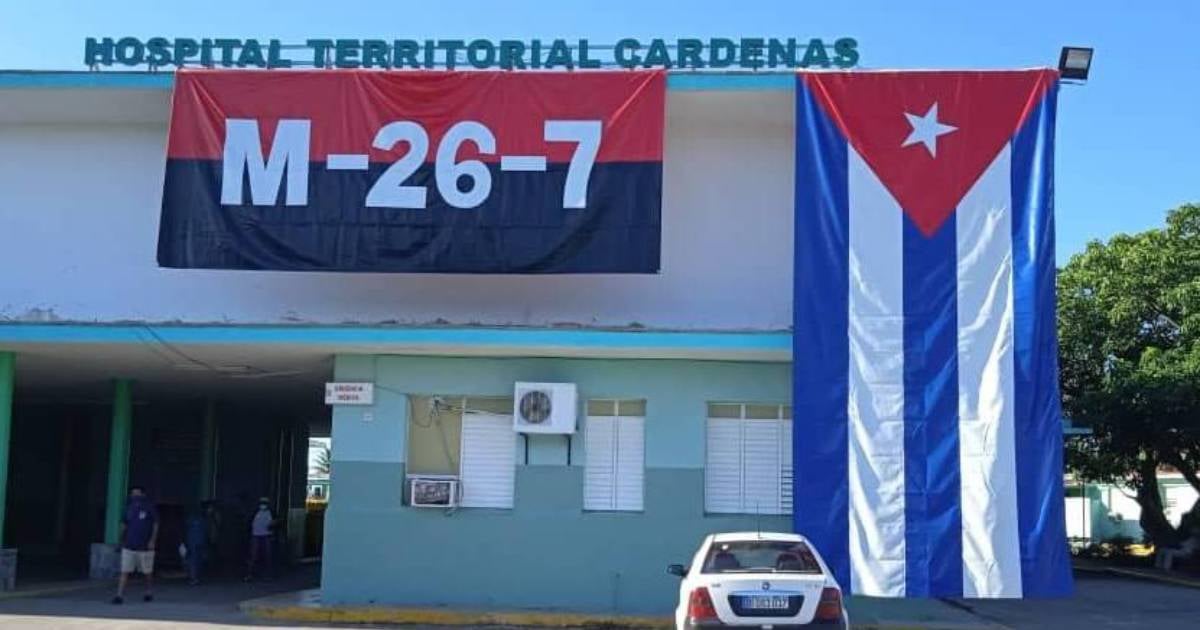
The health crisis in Matanzas has just taken on a new human face, as Ariel Cabrera, actor, playwright, and independent journalist, reported on social media the death of his grandfather Juan in Cárdenas due to "the virus" that is affecting the province.
“My grandfather Juan has just passed away due to the virus. Cárdenas, Matanzas”, he wrote on his Facebook profile, in a message that reflects the pain of hundreds of families affected by the epidemic and the lack of official responses.
The testimony comes amidst the expansion of chikungunya, confirmed by the Ministry of Public Health in five provinces —Matanzas, Guantánamo, Santiago de Cuba, Pinar del Río, and La Habana— although authorities insist that there are no critical cases or deaths directly related.
Matanzas, epicenter of the epidemic
Since July, the province has been experiencing a surge in fever cases that has paralyzed daily life in municipalities such as Perico, Martí, Jovellanos, and Cárdenas. The population is facing high fever, vomiting, and disabling pain, with insufficient medication to alleviate the symptoms.
Hospitals, such as the Provincial Faustino Pérez, are under increasing pressure, as entire families are confined at home caring for multiple sick individuals at the same time. The situation is worsened by the garbage piling up in streets and neighborhoods, power outages, and the scarcity of resources for pest control.
Citizen pain and official silence
Although the Pan American Health Organization and the U.S. Embassy in Havana itself has issued warnings about the health risks —especially for the elderly, pregnant women, and those with chronic illnesses— Cuban authorities insist that the health system "is not collapsed" and that there are no critical patients.
However, complaints like Cabrera's highlight the gap between official rhetoric and the reality of households. “When one falls, many around them fall too,” a neighbor from Santa Marta, a neighborhood near Varadero, recounted days ago, where overflowing dumpsters coexist with daycare centers and clinics.
A silenced emergency
Chikungunya is not usually fatal, but it causes persistent joint pain and a sense of physical malaise that can leave lasting effects for months. In a country marked by a lack of medications and misinformation, each death — such as the one reported by Cabrera — becomes a symbol of a system unable to protect its citizens amidst the crisis.
In Matanzas, where people are already talking about a “red alert” regarding the Aedes aegypti mosquito, indignation is growing at the same pace as the infections. The death of grandfather Juan is not only a family tragedy but also a wake-up call about a health emergency that authorities prefer to downplay while the population continues to pay the highest price.
Frequently asked questions about the health crisis in Matanzas
What is the current state of the health crisis in Matanzas?
The province of Matanzas is experiencing a health crisis exacerbated by an outbreak of chikungunya, with a significant increase in fever cases since July. The situation is worsened by the accumulation of garbage, power outages, and a lack of resources for fumigation, which facilitates the proliferation of the Aedes aegypti mosquito, the virus carrier.
What measures are the Cuban authorities taking in response to the chikungunya outbreak in Matanzas?
The authorities have announced sanitation and solid waste collection actions in Matanzas. However, the population has pointed out the lack of transparency and the manipulation of information by the State. Criticism focuses on the inadequacy of the measures taken and the refusal to declare a health emergency, despite the rising number of cases and the shortage of medications.
How is chikungunya affecting the population of Matanzas?
Chikungunya is causing high fever, vomiting, and debilitating pain among the population of Matanzas, which has paralyzed the daily life of many municipalities. Entire families are forced to care for multiple sick individuals at the same time, while hospitals struggle to meet the increasing demand for medical assistance.
What is the Cuban government's stance on the reports regarding the health crisis in Matanzas?
The Cuban government insists that the healthcare system is not collapsing and that there are no critical patients due to chikungunya. However, reports from citizens and independent journalists highlight a disconnection between the official narrative and reality, emphasizing the lack of effective responses to the health emergency.
Filed under: