
Related videos:
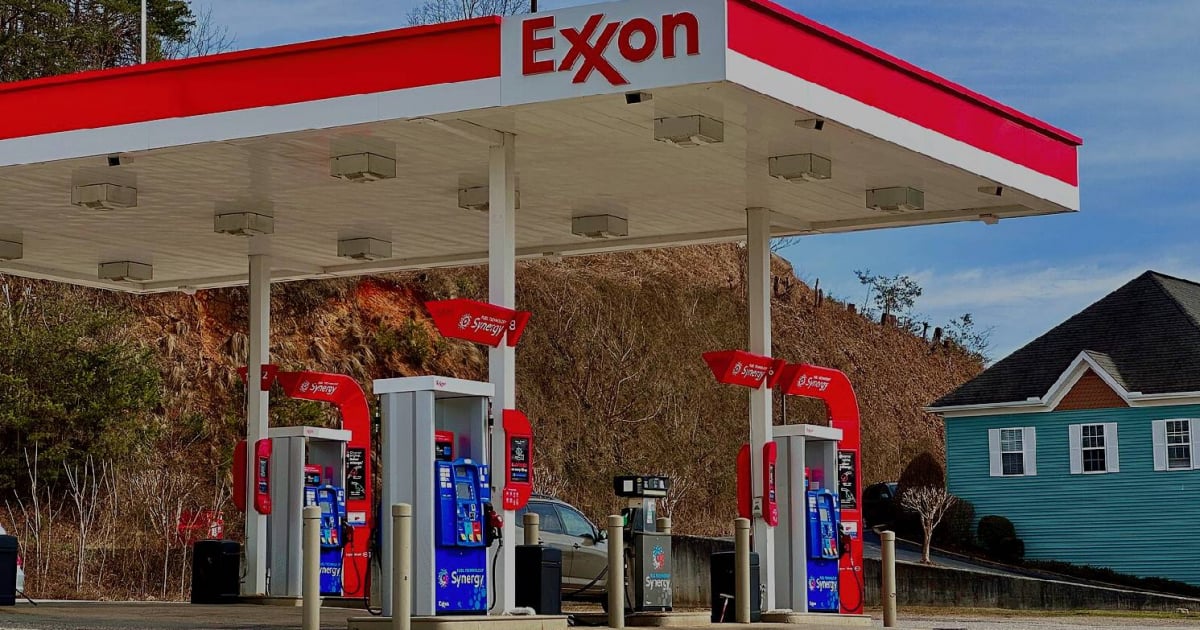
The Supreme Court of the United States announced this Friday that it will hear the case filed by ExxonMobil against Cuban state entities to demand compensation for the expropriation of its oil and gas assets in 1960, during the beginning of the Revolution.
The process is supported by Title III of the Helms-Burton Act, which allows lawsuits against companies and individuals that benefit from properties seized by the Cuban regime after 1959, reported the agency Reuters.
The court accepted Exxon’s appeal following an unfavorable decision in lower courts, which had restricted its attempts to recover compensation valued at over 700 million dollars.
The oil company claims that state-owned companies like Corporación Cimex S.A. and Unión Cuba-Petróleo (CUPET) continue to use and benefit from the expropriated assets without having paid any compensation.
Exxon's case is not the only one that the Supreme Court will examine in its new nine-month term, which begins on Monday.
The judges will also hear a similar dispute presented by Havana Docks Corporation, which aims to reactivate multimillion-dollar lawsuits against Carnival, Norwegian, Royal Caribbean, and MSC Cruises, accused of using port facilities in Havana that were confiscated in 1960.
Initially, a federal judge in Florida ordered the cruise companies to pay over 100 million dollars each, but an appeals court dismissed those rulings, determining that the Havana Docks concession had expired in 2004, before the cruise ships utilized the facilities.
For decades, both Republican and Democratic presidents suspended the enforcement of the Title III of the Helms-Burton Act, preventing private lawsuits from progressing.
However, in 2019, then-President Donald Trump lifted that suspension, leading to a wave of lawsuits in U.S. courts against Cuban and foreign companies accused of "trafficking" in confiscated properties.
In its first action against the Helms-Burton Act in U.S. courts, that same year the Cuban government requested a federal judge to dismiss the lawsuit filed by the oil corporation against the state-owned companies CIMEX and CUPET, arguing lack of jurisdiction in the case.
The Supreme Court's final decision will be crucial in determining the scope of legal claims regarding expropriations in Cuba, and it could pave the way for hundreds of new lawsuits from American citizens and companies affected by the confiscations of the 1960s.
Filed under: