
Related videos:
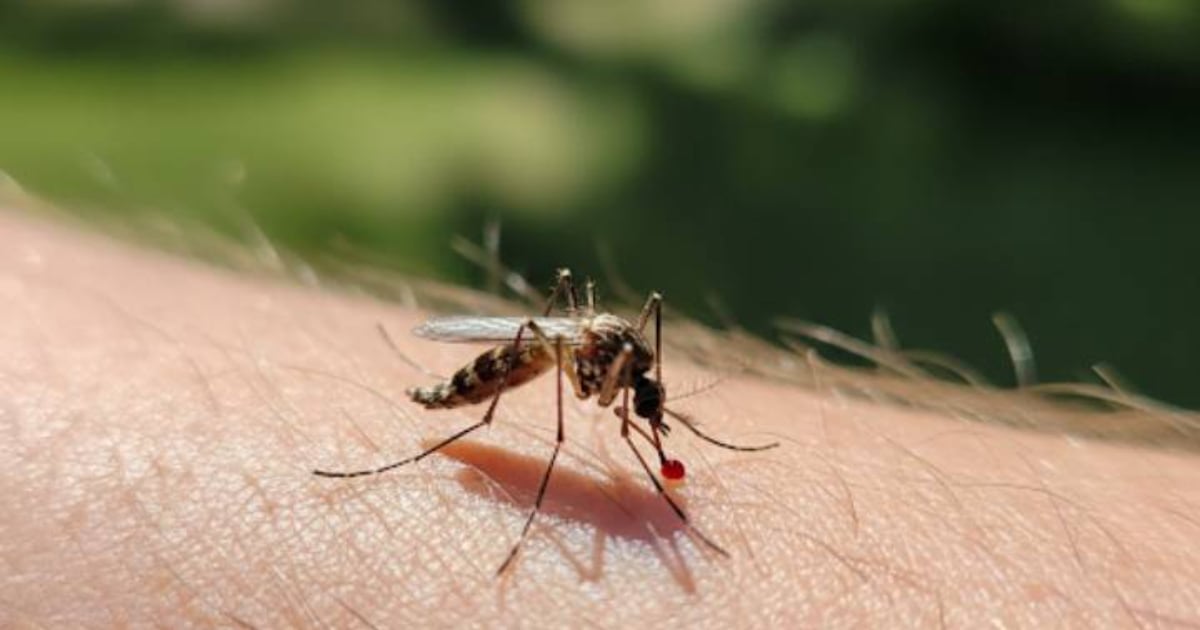
Health authorities in Ciego de Ávila have officially declared the transmission of arbovirus diseases in at least two areas of the healthcare system: the Belkis Sotomayor polyclinic in the main city and the South polyclinic in Morón. This decision comes in response to a significant increase in cases of fever and the proliferation of the Aedes aegypti mosquito, which is a vector for several diseases.
According to statements made to the station Radio Surco by Dr. José Luis López González, provincial deputy director of Epidemiology, the area is monitoring conditions such as Zika and yellow fever, but cases of oropouche have currently been confirmed and there is a strong suspicion of the circulation of the chikungunya virus. To confirm this last disease, virus isolation is required, a procedure carried out at the Pedro Kourí Institute of Tropical Medicine (IPK).
The information, shared by the provincial newspaper Invasor, also details that the authorities have called for civic responsibility and emphasized the importance of eliminating mosquito breeding grounds through the collection of solid waste and environmental sanitation. It was also stressed that the population should consult a doctor if they experience any feverish symptoms, especially if they persist beyond the sixth day, at which point the immunoglobulin M (IGM) test can clearly help identify the causing virus.
Although vector control actions remain strengthened, the situation in the rest of the province continues to be assessed, and the declaration of transmission in other municipalities of Avila is not ruled out if the epidemiological situation demands it.
This alert arises in a national context marked by the simultaneous circulation of dengue, chikungunya, and oropouche in several provinces. In the western province of Matanzas, a Cuban shared on social media her experience with a virus that caused her intense fever, joint inflammation, and unbearable pain, symptoms consistent with chikungunya.
International concern has also increased. The Embassy of the United States in Havana issued a health alert directed at its citizens following a warning from the Centers for Disease Control and Prevention (CDC), recommending precautions for travelers, especially pregnant women and vulnerable individuals.
Meanwhile, the Ministry of Public Health has confirmed the circulation of the chikungunya virus in five Cuban provinces, including Matanzas, Guantánamo, Santiago de Cuba, Pinar del Río, and Havana. The combination of heavy rainfall, high temperatures, and accumulated waste has favored the proliferation of mosquitoes and complicated the current epidemiological situation.
In the midst of this situation, the authorities emphasize community surveillance, self-care, and the constant elimination of breeding sites as key measures to contain the spread of arboviral diseases on the island.
Frequently asked questions about the chikungunya outbreak in Cuba
What is the current situation of chikungunya in Cuba?
Chikungunya has spread to five provinces in Cuba, including Matanzas, Guantánamo, Santiago de Cuba, Pinar del Río, and Havana. This outbreak began in the municipality of Perico, Matanzas, and has spread due to the presence of the Aedes aegypti mosquito. Authorities have implemented fumigation and breeding site elimination measures to control the situation.
What measures are being taken to control chikungunya in Ciego de Ávila?
In Ciego de Ávila, authorities have declared the transmission of arboviruses in specific areas and have strengthened vector control measures. The public has been urged to eliminate mosquito breeding sites and to consult a doctor at the first sign of fever. Epidemiological surveillance continues to detect and treat new cases promptly.
What are the symptoms of chikungunya and how does it differ from other diseases like dengue?
Chikungunya is characterized by a sudden onset of high fever, severe joint pain, and inflammation. Unlike dengue, which can present with a fever known as "breakbone fever," chikungunya causes intense joint pain that can persist after the acute phase. It is essential to see a doctor for an accurate diagnosis and to avoid complications.
How does the climate affect the proliferation of chikungunya in Cuba?
The climate in Cuba, characterized by heavy rainfall and high temperatures, fosters the proliferation of the Aedes aegypti mosquito, the vector for chikungunya. The accumulation of garbage and the lack of sanitation also contribute to the creation of mosquito breeding grounds. These conditions have complicated the epidemiological situation and have facilitated the spread of the virus in several provinces.
Filed under: