Doctor Francisco Durán García affirmed that no deaths have been reported related to the viral events affecting the country, and he refuted claims that spoke of "11 deaths in one night" in Matanzas.
In his weekly update on the epidemiological situation, the epidemiologist specified that, although there is a high demand for health services in that province, they have not collapsed.
Durán confirmed the circulation of three arboviruses: dengue (sustained presence), chikungunya (initially detected in Matanzas and expanding within the province), and Oropouche (declining).
He recalled that there is no specific treatment for these diseases and recommended hydration and pain relievers, in addition to seeing a doctor in case of warning symptoms.
Regarding territorial distribution, it was noted that dengue continues to be transmitted in 12 provinces, 36 municipalities, and 44 health areas; while Oropouche is present in 12 provinces, 26 municipalities, and 31 health areas, showing a trend of decreasing cases.
Regarding the severity, Durán reported that there are four dengue patients hospitalized: three in serious condition and one critical.
He emphasized that chikungunya generally does not cause highly lethal cases. Regarding Matanzas, Durán explained that this virus “has been spreading”, “there are no fatalities.”
He added that there are provincial and national teams working in the area to achieve control of the transmission.
For vector control, it outlined structured actions based on the detected cases: sanitation, indoor fumigation, and adulticides with vehicles, admission of patients with complications, and monitoring of contacts.
Called for citizen cooperation in using abate in water storage and ensuring sanitary conditions in homes and surrounding areas. Warned that the rains and heat promote the proliferation of mosquitoes.
Increase in arbovirus infections
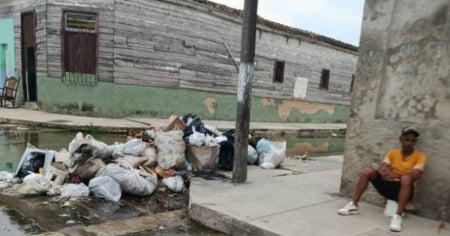
In the municipalities of Cárdenas and Santa Marta, there is a reported increase in cases of fever —accompanied by high fever, vomiting, diarrhea, headaches, and inflammation— amidst the accumulation of garbage on the streets and a shortage of medications and reagents.
After weeks of complaints, residents reported the deployment of reinforcements to the Cárdenas hospital and the initiation of a "more intensive and better organized" municipal plan to tackle a scenario related to arboviruses, including risk mapping and community mobilization.
Additionally, the Ministry of Public Health of Cuba (MINSAP) began transferring doctors and nurses from other provinces to Matanzas in an effort to contain the deterioration of the epidemiological situation facing the region.
MINSAP itself confirmed that chikungunya has already spread to five provinces — Matanzas, Guantánamo, Santiago de Cuba, Pinar del Río, and La Habana — while dengue and oropouche remain actively transmitted in 12 territories.
Frequently Asked Questions about the Epidemiological Situation in Cuba
What is the current situation of dengue in Cuba?
Currently, dengue transmission is ongoing in 12 provinces of Cuba, with several severe cases reported. Although it has been confirmed that there are hospitalized patients, no fatalities associated with the disease have been reported. Authorities continue with vector control efforts to reduce the spread of the transmitting mosquito.
What other viruses are present in Cuba besides dengue?
In addition to dengue, chikungunya and the Oropouche virus are present in Cuba. Chikungunya has been detected in five provinces, while Oropouche shows a trend of decreasing cases. These arboviral diseases share symptoms such as fever and joint pain, complicating their diagnosis without specific tests.
How are Cuban authorities addressing the arboviral crisis?
Cuban authorities have implemented vector control measures, such as fumigation and sanitation in affected areas, in addition to the mobilization of medical teams to regions with high demand for health services. However, the management of these crises is constrained by a lack of resources and a shortage of essential medications.
What recommendations have been given to the population to prevent dengue and other arboviral diseases?
It is recommended that the population keep water containers covered and use abate to prevent mosquito breeding. It is also suggested to see a doctor if experiencing fever symptoms and to avoid self-medication. Citizen cooperation in maintaining sanitary conditions and eliminating breeding sites is crucial for controlling these diseases.
Filed under: