
Related videos:
The cases of a viral disease with an origin that has yet to be determined keep the municipalities of Cárdenas and Santa Marta on alert, where local residents and health sources report a sustained increase in people experiencing high fever, vomiting, diarrhea, and severe body aches.
According to the testimony sent by residents of Santa Marta to journalist José Luis Tan Estrada, in several blocks, “there are sick people in every two houses”. The residents are calling for more visible actions from the authorities in response to the worsening provincial epidemiological situation.
Testimonials gathered in Cárdenas and Santa Marta mention severe symptoms with temperatures above 40 ºC, headaches, sores in the mouth, and swelling in the knees, arms, and eyes, which cause extreme weakness and even fainting.
Families indicate that, after overcoming the acute phase, "lingering effects" remain that prolong discomfort and limit mobility.
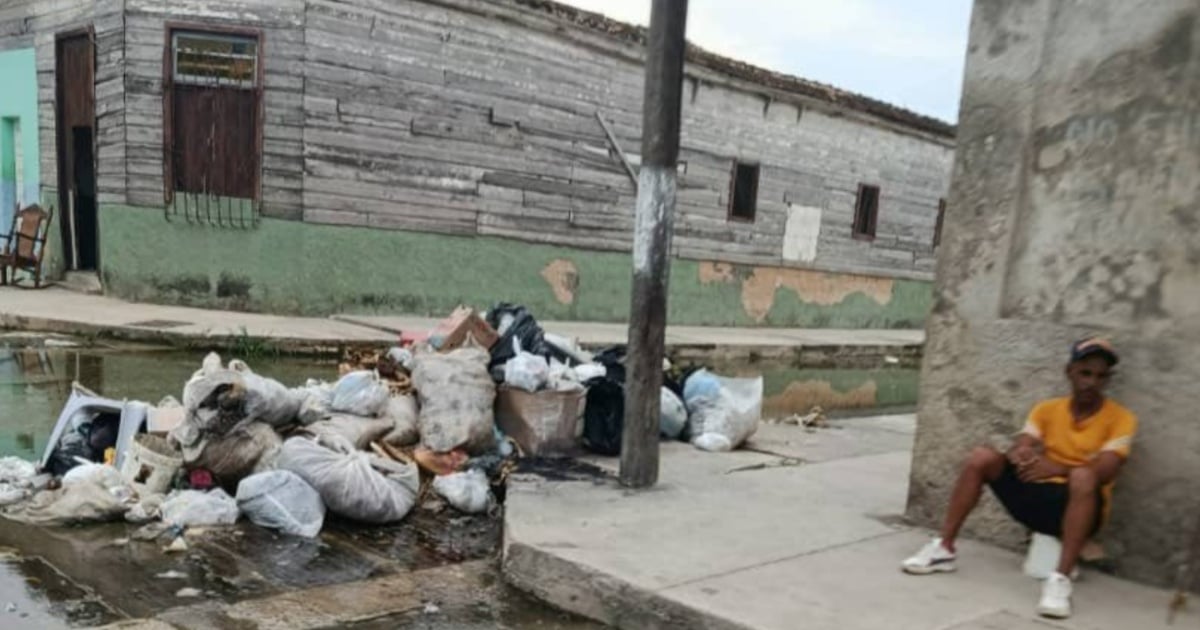
In the neighborhoods of Cárdenas, as noted by the activist Kiryat Poey, the situation is worsening due to the accumulation of garbage in the streets and corners, a factor that residents consider crucial in the spread of vectors.
Shortages are also a burden: mothers and caregivers are urgently requesting basic medications to reduce fever and pain, while reporting the lack of reagents for tests at the Cárdenas hospital.
Although authorities indicate that reinforcements were sent to the healthcare center after weeks of complaints, but public discontent persists due to the slow response and insufficient public information.
Faced with social pressure, the municipality of Cárdenas activated this week an "intensive and better organized" work system to tackle the complex scenario associated with arboviral diseases, involving risk mapping by local councils and the mobilization of organizations and the community in a comprehensive control campaign.
However, residents question why "the meetings" have not yet resulted in immediate and visible actions in the most affected communities.
In Santa Marta, residents claim that medical attention is insufficient for the magnitude of the outbreak and are requesting clarity on the identification of the circulating agent, as the type of virus and the extent of control measures have not been officially confirmed.
Local health leaders have defended that the situation "is under control", a claim that contrasts with the perception of those living with dirty streets and an increase in fever cases in nearby homes.
The health authorities have yet to specify the etiological agent or publish a report with consolidated figures by municipality; the population is requesting a schedule for fumigation, waste collection, and supply of materials for primary care.
Health authorities in Matanzas confirmed that no deaths have been recorded due to the current outbreak of mosquito-borne viruses in the province, although they acknowledged that the 13 municipalities are experiencing circulation of chikungunya and 12 are maintaining active transmission of dengue, with the exception of the Ciénaga de Zapata.
Frequently asked questions about the epidemiological situation in Matanzas
What is the current situation with the virus in Matanzas?
The province of Matanzas is facing an alarming rise in cases of viral diseases, primarily chikungunya and dengue, transmitted by the Aedes aegypti mosquito. The municipalities of Cárdenas and Santa Marta report a significant increase in people exhibiting severe symptoms such as high fever, vomiting, and intense pain. Authorities have implemented an intensive work system to control the situation, although the population criticizes the lack of visible actions and the slow response from health services.
What are the main challenges in controlling the viral outbreak in Matanzas?
The control of the viral outbreak in Matanzas faces several challenges. The accumulation of garbage and the scarcity of resources for fumigation contribute to the proliferation of mosquitoes, complicating the epidemiological situation. Furthermore, there is a lack of basic medications in hospitals and health centers, which limits the response capacity to the crisis. The population is also demanding more information and concrete actions from the authorities to confront the epidemic.
What measures have the authorities taken to address the outbreak of chikungunya and dengue?
The authorities in Matanzas have implemented an intensive working system that includes risk mapping and the mobilization of organizations and the population to control the outbreak. Fumigation and environmental sanitation campaigns are being carried out, although the lack of resources limits their scope. Active door-to-door surveys are also being conducted to identify and isolate suspicious cases, especially in the most affected areas.
How is the epidemiological situation affecting the residents of Cárdenas and Santa Marta?
The epidemiological situation in Cárdenas and Santa Marta is severely affecting its residents. Many neighbors report severe symptoms and a critical need for basic medications such as antipyretics and analgesics, which are in short supply. Furthermore, the shortages and the lack of effective response from the authorities have created widespread discontent among the population, which is demanding more visible and effective actions to control the outbreak.
Filed under: