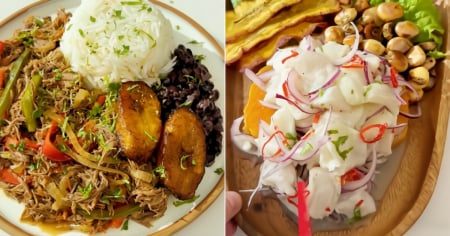
A Cuban shared on TikTok the dish she prepared at her home on the island: a fresh lobster, a food that in the current Cuban context is truly a luxury.
"This is what I ate today while living in Cuba," she wrote in the video description, where she is seen cleaning and cooking the seafood. The young woman clarified that it's not something common on her table and that it was a stroke of luck
"Of course, my love, this isn’t something we eat every day because it's truly a luxury. We were fortunate that it was given to my husband at work, and it needed to be prepared," she explained as she showed how she cooked it.
In the video, the woman describes that she decided to prepare the “enchilada” lobster with a sauce made from tomato purée and spices, which she then cooked over medium heat. She served the dish with white rice, as is customary in most Cuban households.
The post generated reactions among users who highlighted how unusual it is in today's Cuba to enjoy this product, the export of which is controlled by the state and whose access in the national market is prohibitive for most Cubans.
Frequently Asked Questions about Lobster Consumption in Cuba
Why is it a luxury to consume lobster in Cuba?
Consuming lobster in Cuba is considered a luxury because its fishing and sale are strictly controlled by the State. Most of the catches are intended for export to generate foreign currency, leaving little access to the domestic market. This situation makes prices prohibitive for the majority of the Cuban population.
Is it allowed to fish and consume seafood in Cuba?
In Cuba, fishing and consuming seafood is regulated. Citizens can fish, but they must have a special permit. The purchase and sale of lobster and shrimp is prohibited for Cubans, and they can only be consumed in authorized establishments, such as hotels and tourist restaurants, which further limits access for the local population.
Why can’t Cubans enjoy seafood products?
Cubans cannot enjoy seafood products due to government restrictions that prioritize the export of these goods to obtain foreign currency. Despite being surrounded by the sea, the fishing of products like lobster is mainly destined for international markets, while local access is limited and expensive, reflecting the disconnection between natural resources and domestic consumption.
Filed under: