
Related videos:
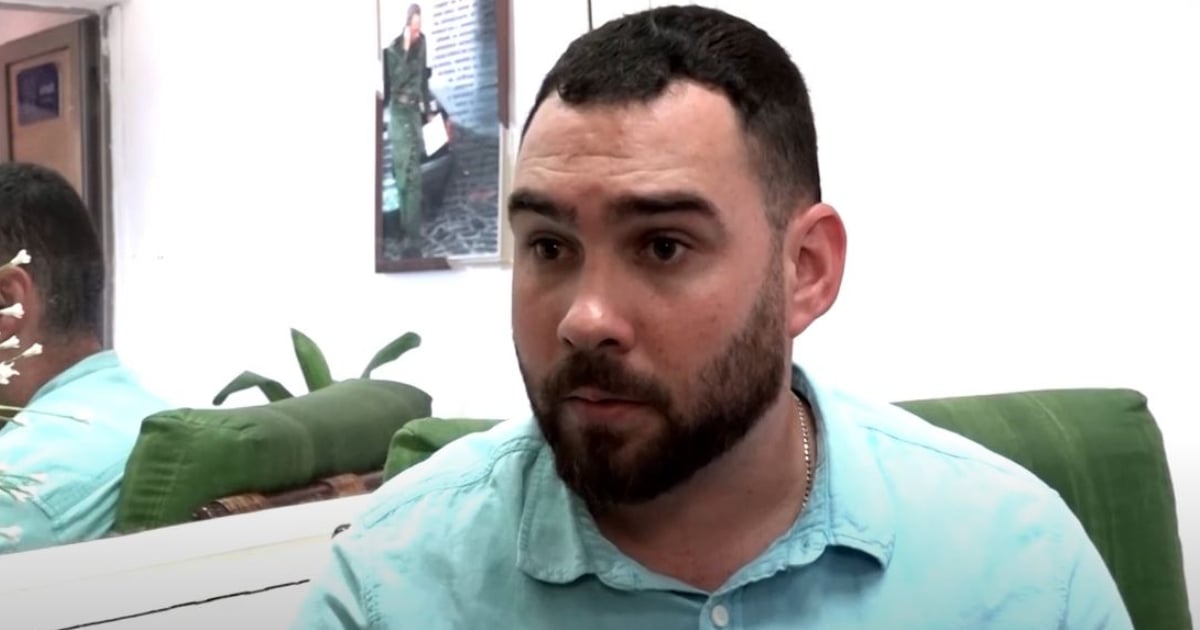
The deputy Elián González Brotons, internationally known for the case that marked his childhood during the immigration dispute between Cuba and the United States in the late 1990s, will be in Mexico to participate in the IX Continental Meeting of Solidarity with Cuba, which will be held from October 9 to 12 in that country.
The event, according to its announcement, will bring together organizations aligned with the Havana regime under the slogan “For solidarity, friendship, and against imperialism,” and will also feature the presence of Aleida Guevara March, daughter of the late guerrilla fighter Ernesto “Che” Guevara.
From child symbol to political figure
Elián González, now a deputy in the National Assembly of People's Power, has established himself as a media and political figure within the Cuban system. His name remains connected to the official narrative of the Revolution, which portrays him as an example of "loyalty and commitment to the ideals of Fidel Castro."
As remembered, González was the central figure in the most publicized diplomatic conflict between Cuba and the United States at the end of the 20th century. In November 1999, at just five years old, he was rescued off the coast of Florida after the boat in which his mother, Elizabeth Brotons, was trying to reach the United States sank, and she tragically lost her life in the attempt.
The case resulted in a prolonged legal and political confrontation between his relatives in Miami, who sought to have him remain in the United States, and his father in Cuba, supported by Fidel Castro. The battle ended with the minor's repatriation to the island on June 28, 2000, following a U.S. court order.
An heir of the official narrative
Since his return, Elián has maintained a close relationship with the regime's institutions, participating in public events and defending the positions of the Communist Party. In 2023, he was elected deputy for Cárdenas, Matanzas, his hometown, and has adopted an openly ideological stance, reaffirming his commitment to the Cuban political system.
Twenty-five years after his return, González describes himself as "a defender of communism," and often refers to Fidel Castro as a paternal and protective figure, a symbol of loyalty that the regime has exalted for decades.
A journey with symbolic weight
Elián González's journey to Mexico, beyond its official nature, carries significant symbolic weight: it represents the continuity of the revolutionary narrative through the voice of a generation that grew up under the influence of Castroism and its dictatorship.
Meanwhile, inside and outside of Cuba, his figure continues to evoke deep contrasts between those who see him as a political instrument of the regime and those who regard him as a victim of the regime.
Elián will not be alone… Aleida Guevara will bring the image of Che
Aleida Guevara March, daughter of Ernesto “Che” Guevara, will also be at the event. Her participation alongside González in the Continental Meeting of Solidarity with Cuba aims to reinforce the official narrative that links generational continuity with the persistence of the ideals of the Revolution.
Both represent —according to the regime's narrative— the "living heritage" of the revolutionary epic, an attempt to connect new generations with powerful symbols of Castroism: "Che" Guevara and the "little boy Elián," two figures elevated to the status of myths within state propaganda.
Frequently Asked Questions About Elián González and His Role in Cuban Politics
Who is Elián González and why is he internationally known?
Elián González is internationally known for the diplomatic conflict he was involved in in 1999, when he was rescued off the coast of Florida after the boat in which his mother was trying to reach the United States sank. His case led to a legal dispute between his relatives in Miami and his father in Cuba, supported by Fidel Castro, which culminated in his repatriation to the island.
What is Elián González's current role in the Cuban regime?
Currently, Elián González is a deputy in the National Assembly of People's Power in Cuba, and has established himself as a media and political figure within the Cuban system. His discourse is openly ideological, reaffirming his commitment to the Cuban political system and the legacy of Fidel Castro.
Why is Elián González's journey to Mexico considered symbolic?
Elián González's journey to Mexico carries significant symbolic weight as it represents the continuity of the revolutionary narrative and loyalty to the Cuban regime. His participation in the IX Continental Meeting of Solidarity with Cuba reinforces his image as a defender of communism, aligned with the ideals of Fidel Castro.
How has Fidel Castro influenced the life of Elián González?
Fidel Castro has been a paternal and protective figure for Elián González. According to González, the Cuban leader saved him, nurtured him, and offered him special affection, which he regards as a great privilege. Their relationship has been used as a propaganda symbol by the Cuban regime, presenting him as a banner of the revolution.
Filed under: