
Related videos:
The White House reportedly rejected a proposal presented by Venezuelan government officials that included a gradual political transition and the eventual resignation of President Nicolás Maduro within a three-year timeframe, as confirmed by a former U.S. government official to the AP agency.
According to the information, the plan proposed that Maduro would relinquish power in 2028 and transfer authority to his current vice president, Delcy Rodríguez, who would complete the presidential term until January 2031.
The agreement included the commitment that Rodríguez would not run for re-election.
However, the government of President Donald Trump would have rejected the proposal, arguing that it “lacks legitimacy” and that the Maduro regime continues to operate as a “narcoterrorist state.”
According to the source cited by AP, the initiative is believed to have originated from high levels of the Venezuelan government in an attempt to ease pressure from Washington, following sanctions, increased diplomatic tensions, and recent U.S. military movements in the Caribbean.
However, the Vice President of Venezuela, Delcy Rodríguez, denied this Thursday that she had negotiated with the United States the alleged departure of the president from power.
"FAKE!! Another outlet that adds to the litter of psychological warfare against the Venezuelan people. They have no ethics or morals, and exclusively support lies and scavenging," Rodríguez stated on Telegram, referring to an initial article published by the Miami Herald, and asserted that "The Bolivarian revolution has a cohesive and united political-military high command centered around the will of the people."
In recent weeks, the Trump administration has authorized counter-narcotics operations in international waters near Venezuela, including attacks against vessels suspected of smuggling, and has deployed three Aegis missile destroyers off the coast of the South American country.
The reports on the plan were initially released by the Miami Herald and later confirmed by AP. The White House has not issued official comments regarding the case.
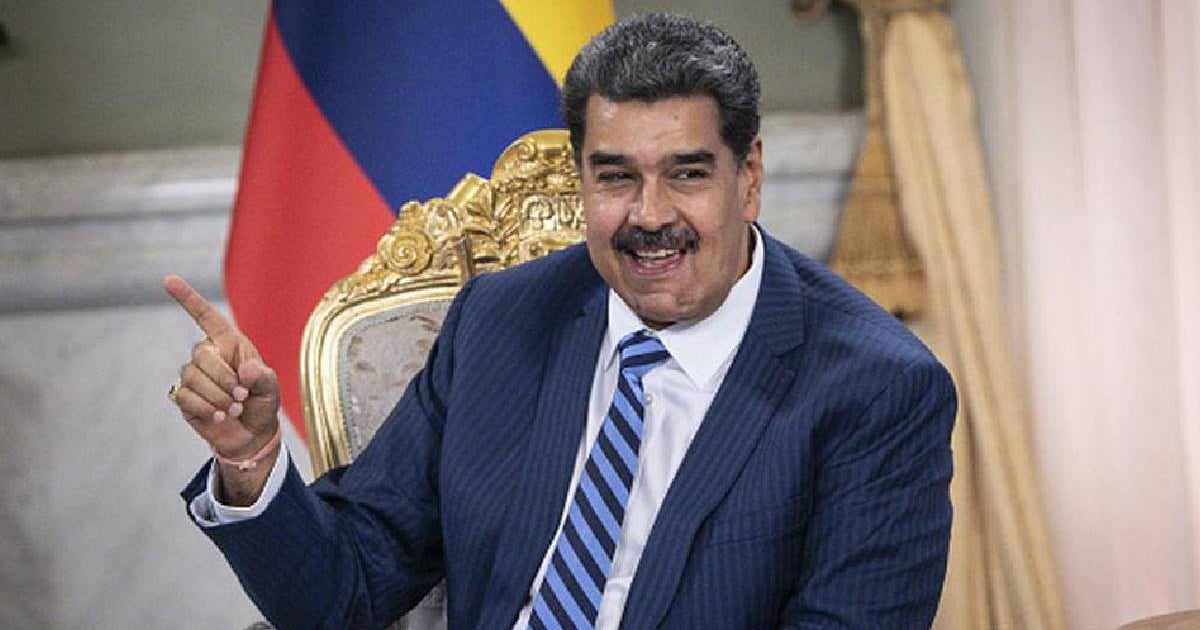
During a televised event on Thursday, Maduro described the reports as an "attempt to divide the people" and ridiculed the idea that his vice president was part of a succession agreement.
"Can anyone believe that the CIA has not been operating in Venezuela for 60 years? Please!" the leader quipped, referring to Trump's confirmation that the U.S. intelligence agency was authorized to operate on Venezuelan territory.
The alleged leaked plan emerges in a context of maximum tension between Caracas and Washington, following the tightening of financial sanctions and accusations of narco-terrorism against high-ranking officials of the Chavismo.
Since the beginning of Trump's second term, the U.S. government has warned that it will not recognize any electoral process or political transition that does not involve the immediate departure of Maduro and the call for free elections under international supervision.
Amid the rumors, Maduro maintains a defiant stance: he insists that "Venezuela will not surrender" and denounces that the United States seeks to provoke a regional war to appropriate the country's oil resources.
The reality, however, shows a regime under increasing pressure, with a collapsing economy, protests due to hunger and power outages, and its main ally—Cuba—also facing unprecedented deterioration.
Filed under: