
Related videos:
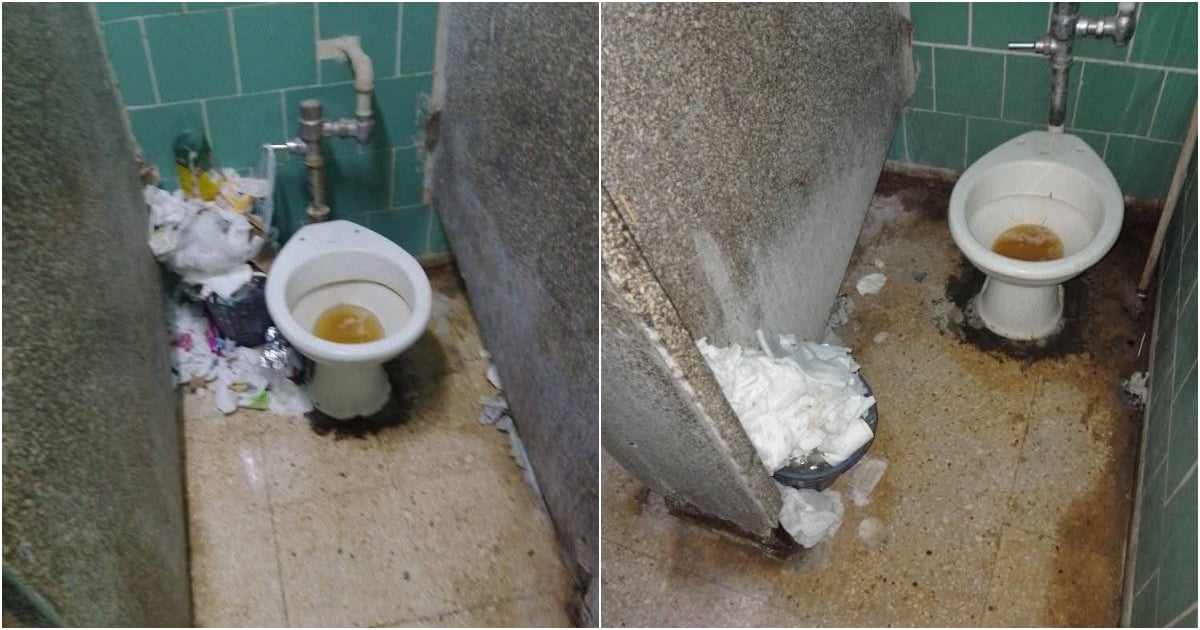
Photos of the provincial hospital of Ciego de Ávila highlight the neglect of the bathrooms in the maternity ward, where the facilities are in unsanitary conditions, reported journalist José Luis Tan Estrada.
The images shared by Tan Estrada on Facebook reveal uncollected mugs, dirty papers, and accumulated trash in the room designated for pregnant women at the medical facility.
“The bathrooms in the maternity ward are like this,” the reporter wrote, highlighting the structural issues and the government neglect that worsen the health situation of the facility.
The comments from internet users reflect indignation and resignation regarding the deterioration of the Cuban hospital system. "This is happening all over Cuba," wrote one user.
Others recalled times when the hospital was a symbol of cleanliness and care. "I had my daughter there in that hospital. It was super clean, with excellent attention... And I never saw a dirty bathroom or a filthy room. But that was almost 23 years ago," commented Guelmi Abdul.
Some, however, also pointed out the responsibility of patients and their companions. "On many occasions, there is water, but the companions themselves are to blame for the bathrooms being in that condition," Lourdes Magaña stated.
“Communism destroys, robs, and kills poverty. Wake up, peoples,” wrote another user, while several agreed that the health situation is a reflection of the collapse of the healthcare system and the neglect of the Ministry of Public Health.
“The hidden face of Cuban public health: it sells itself as a medical power but no longer has doctors for its own people,” denounced Armando Bouzon.
The intense rains on October 9 in Havana caused a severe sewage flooding at the Coco y Rabí polyclinic, also known as the Clínica Acción Médica, located in the Diez de Octubre municipality.
In videos posted by the activist Orlando Ramírez Cutiño on social media, it can be seen how dirty, dark-colored water with a strong odor flooded the medical center's rooms while patients were present.
Previously, families reported that the centralized air system in a intermediate care unit of the pediatric hospital in Camagüey is filled with dust and, rather than providing relief, it causes colds and respiratory complications in children admitted for other ailments.
Such situations occur amid a rising wave of arboviral infections, hepatitis, and gastrointestinal diseases affecting the entire country.
It was recently reported that the clinical surgical hospital "Salvador Allende," popularly known as La Covadonga, may partially close its regular services due to the increase in cases of dengue and chikungunya in Havana.
Frequently Asked Questions about the Deterioration of the Healthcare System in Cuba
What is the condition of the restrooms in the provincial hospital of Ciego de Ávila?
The restrooms in the maternity ward of the provincial hospital in Ciego de Ávila are in unsanitary conditions, with toilets not flushed, dirty paper, and accumulated trash, according to a report by journalist José Luis Tan Estrada.
What do citizens think about the state of the Cuban healthcare system?
Citizens express indignation and resignation at the deterioration of the Cuban hospital system. They report that the health situation reflects the collapse of the healthcare system and the neglect of the Ministry of Public Health, which has worsened the unsanitary conditions in hospitals.
What are the consequences of poor hospital conditions in Cuba?
The poor conditions in Cuban hospitals have contributed to an increase in diseases such as arbovirosis, hepatitis, and gastrointestinal illnesses. Furthermore, the lack of hygiene and maintenance in health facilities puts patients at risk of contracting infections and complicates the recovery of those hospitalized.
How has the health crisis affected pediatric hospitals in Cuba?
Pediatric hospitals in Cuba are overwhelmed by a rising wave of febrile and gastrointestinal diseases. There are long lines and a lack of medication, leaving children without proper medical care and forcing families to endure unsanitary conditions in the facilities.
Filed under: