
Related videos:
The Public Health system confirmed the active transmission of dengue in the municipalities of Morón and Ciego de Ávila, with an increase in suspected cases and a high infestation of the mosquito Aedes aegypti that worsens the provincial epidemiological situation.
Doctor Kesnel Lima Ruíz, provincial director of Health, reported that screenings are ongoing in communities deemed high risk and that surveillance teams are intensifying control measures in the most affected areas.
“We have no fatalities from arboviruses. Only three critically ill patients, who are stable and have all the necessary medications and supplies,” stated Lima during a special informational magazine broadcast live by Televisión Avileña and the Provincial Radio Network, as reported by the official newspaper Invasor.
The official added that temporary working groups have been established in each municipality to uphold hygiene and health measures.
Although no deaths have been reported, specialists caution about the possibility of a greater spike due to the simultaneous circulation of other arboviruses, such as chikungunya and Oropouche, detected in samples analyzed by the Pedro Kourí Tropical Medicine Institute (IPK).
On his part, Dr. Eduardo Artiles Pardo, director of the Provincial Center for Hygiene, Epidemiology, and Microbiology, , with the highest incidence recorded in Ciego de Ávila and Venezuela.
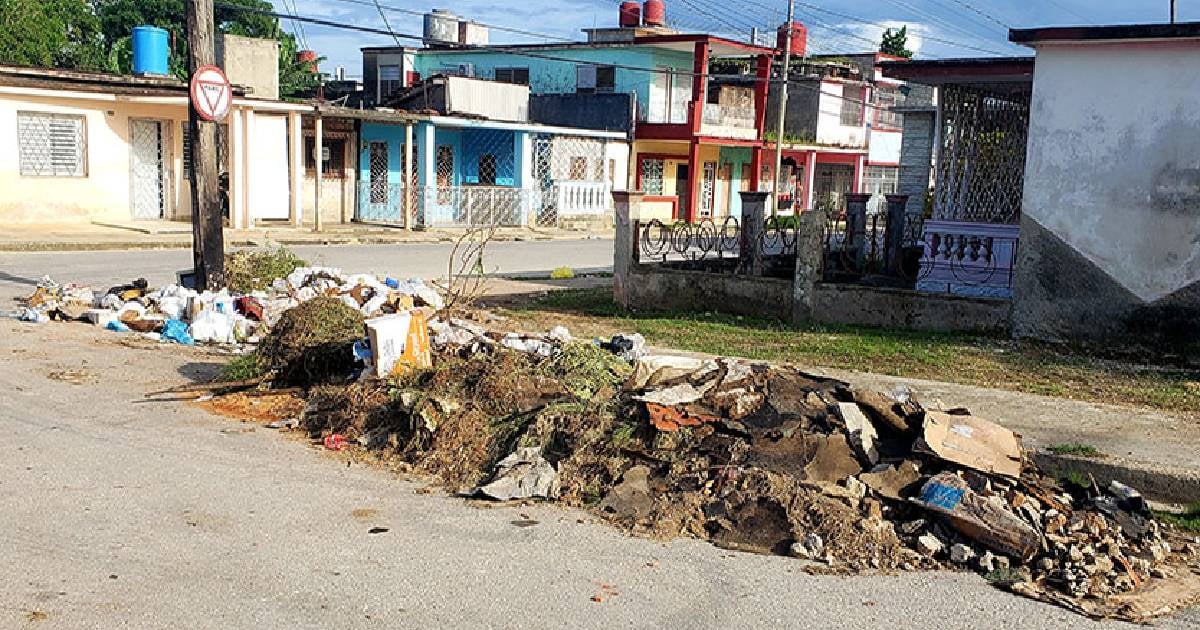
He explained that the current conditions in the province (poor hygiene and sanitary conditions, heat, and recent rains) have led to a high infestation rate.
Regarding dengue, he noted an increase in its incidence and reactivity rates, with primary hotspots in Ciego de Ávila, Florencia, and Chambas.
Additionally, he specified that Morón and Ciego de Ávila are in a phase of active transmission, and classified five municipalities as high risk: Chambas, Florencia, Majagua, Venezuela, and Baraguá.
Authorities urged the public to seek medical attention immediately for any symptoms, no matter how mild, in order to determine the clinical management, which may include hospitalization or home care.
It was emphasized that it is important to not underestimate the symptoms of dengue due to the risk of complications from reinfection.
During the television broadcast, a warning was issued regarding the irresponsibility of those who disregard home isolation and the creation of breeding grounds due to the need to store water (due to drought) and the accumulation in containers (due to rainfall).
Finally, it was advised to adhere to isolation and maintain hydration.
Despite the critical epidemiological situation facing the province, residents of the Ciro Redondo municipality claim to be living among foul waters and larvae for over a month, with no response from the government or the Water Supply Company.
In the municipality of Palmira, in Cienfuegos, between 250 and 350 cases with fever syndromes are reported weekly, according to official information.
A Cuban mother reported on social media the dire conditions at the "Eduardo Agramonte Piña" pediatric hospital in Camagüey, where, according to her testimony, only one pediatrician was available to attend to all the hospitalized children amid a healthcare collapse affecting several provinces.
Frequently Asked Questions about the dengue outbreak in Ciego de Ávila and Morón
What is the current situation of dengue in Ciego de Ávila and Morón?
The transmission of dengue in Ciego de Ávila and Morón is active, with an increase in cases and a high infestation of the Aedes aegypti mosquito. Authorities have intensified control measures, but the epidemiological situation is critical.
What measures are the authorities taking to control dengue?
The authorities have created temporary working groups to uphold sanitary and hygienic measures, intensifying surveillance and monitoring in high-risk areas. However, the population reports a lack of fumigation and accumulation of waste that favors the vector mosquito.
What other viruses are circulating in Ciego de Ávila besides dengue?
In addition to dengue, the circulation of chikungunya and the Oropouche virus has been detected in the province. The simultaneous presence of these arboviruses further complicates the epidemiological situation, increasing the risk of complications due to coinfection.
What recommendations have been given to the population in light of the dengue outbreak?
The authorities urge the population to seek medical attention immediately at the first sign of any symptoms, no matter how mild, and not to underestimate the symptoms of dengue. Additionally, home isolation is recommended, along with maintaining proper hydration to prevent complications.
Filed under: