
Related videos:
The Cuban doctor Miguel Ángel Ruano Sánchez, who lives in exile and has become one of the leading critical voices against the regime, denounced this Tuesday the exponential increase in cases of pulmonary tuberculosis in Santiago de Cuba, amid the current epidemic of arboviruses affecting the island.
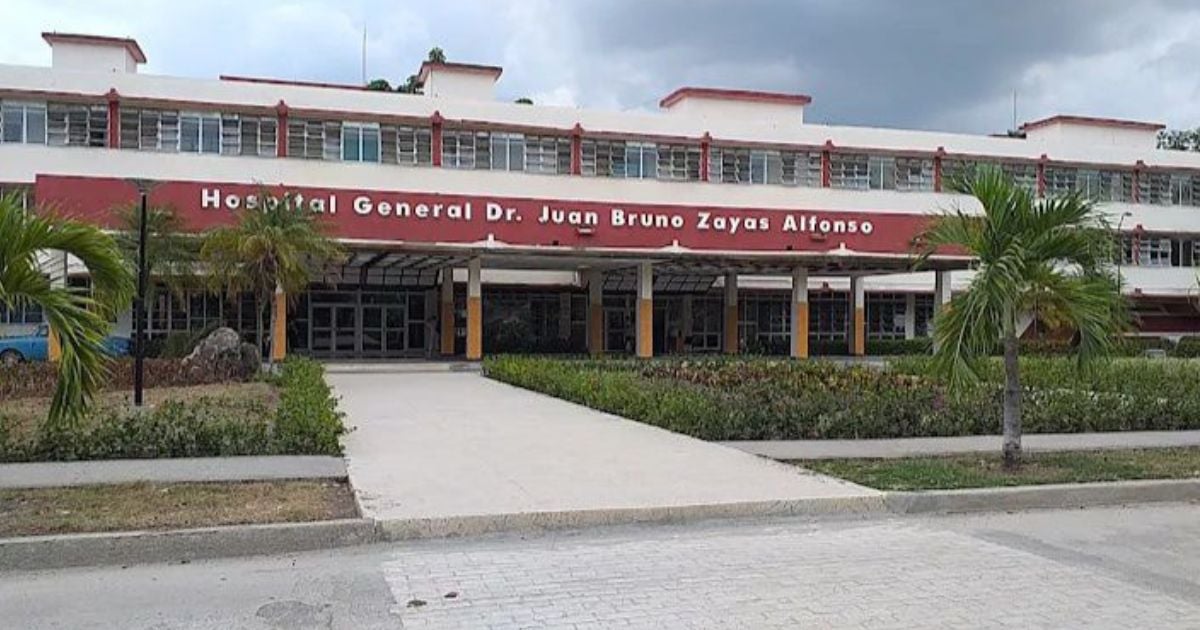
Ruano, known for his denunciations of the collapse of Cuba's healthcare system and the shortages faced by doctors on the island, shared an alarming testimony on Facebook about the situation at Juan Bruno Zayas hospital, where the medical staff, he claimed, are deeply concerned about the increase in cases and their inability to provide adequate care.
The doctors' concern has two reasons”, he explained. “The lack of resources to make accurate diagnoses and the complete absence of the medications that are part of the treatment regimen in pharmacies and warehouses of the health system.”
This therapeutic regimen, he added, consists of two phases lasting between six and nine months and includes combinations of isoniazid, rifampicin, pyrazinamide, and ethambutol.
According to Ruano, colleagues from Santiago de Cuba have reported an "atypical" increase in patients with severe respiratory symptoms that are not related to arbovirosis, indicating a simultaneous outbreak of tuberculosis in the eastern province.
There is an increase in the appearance of respiratory symptoms that are clear, outside of season,” he noted.
The lack of basic equipment, such as chest X-rays, and the inability to perform diagnostic tests like the Mantoux test, sputum cultures, or molecular examinations like Xpert MTB/RIF, worsen the situation and leave patients without accurate diagnosis or appropriate treatment.
The doctor reported that this precarious situation "is not new" and reflects a structural crisis within the Cuban healthcare system, unable to guarantee even the minimal procedures for epidemiological control.
He warned that one or more outbreaks of tuberculosis can have serious consequences, such as permanent lung damage, the spread of the infection to other organs, and even death if not treated in time.
Ruano also highlighted the social and economic impact of this situation in a country where poverty has deepened and the majority of citizens struggle daily to obtain food.
“Tuberculosis not only makes the body ill, but it also further impoverishes families, because the treatment is long, expensive, and the patient cannot work,” he emphasized.
The specialist, who has repeatedly denounced the atrocities, deficiencies, and abuses of the Cuban healthcare system from his exile in Colombia, concluded that the regime "prefers to manipulate the figures rather than acknowledge the collapse of public health," while thousands of Cubans quietly face illnesses that should already be under control.
Filed under: