
Related videos:
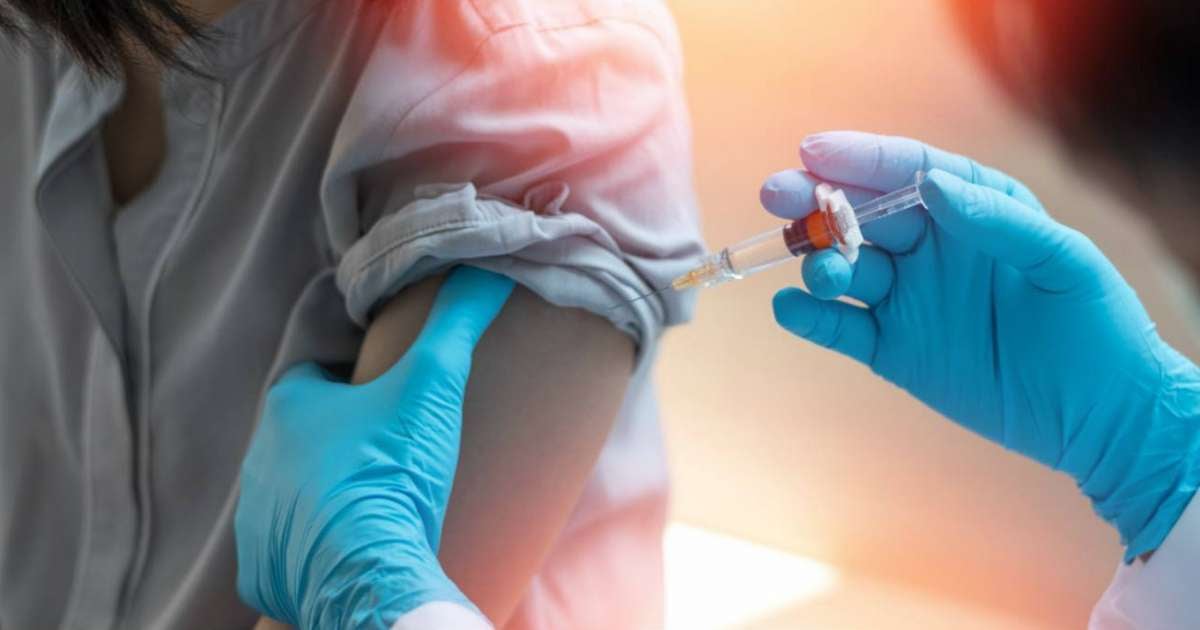
The state of Florida is preparing to end nearly half a century of mandatory childhood vaccinations, following the announcement by Surgeon General Joseph Ladapo, who, with the support of Governor Ron DeSantis, is promoting the elimination of all school immunization mandates.
According to a report by , Ladapo presented his plan on September 3 during an event in Tallahassee, where he described the vaccination requirements as “erroneous” and “a form of slavery.”
"Who am I, as a government or as anyone else, to tell you what you should put in your body?" he expressed before a crowd opposed to vaccines.
The proposal would end the requirement to vaccinate children against diseases such as measles, polio, diphtheria, whooping cough, rubella, and meningitis, among others.
Although vaccines will remain available for families that request them, this measure would represent a historic change in the state's health policy.
Several specialists and pediatricians have warned that the removal of mandates could lead to the resurgence of diseases that were eradicated decades ago, such as measles or polio.
Public health historians recall that, since the 1970s, the mandatory nature of vaccinations has been essential for eliminating recurring outbreaks and protecting the child population, emphasized ABC News.
However, in Florida, the discussion has become deeply political. Doctors and academics have pointed out that local health authorities have been instructed not to speak publicly on the issue without higher authorization, which has created an atmosphere of silence and self-censorship.
"Many have been told not to speak without permission," denounced Dr. Doug Barrett, former head of Pediatrics at the University of Florida.
Other professionals, such as urologist Neil Manimala, assert that many pediatricians hesitate to express their opinions out of fear of retaliation or losing patients amid the growing anti-vaccine movement.
"They do not want to be attacked on social media or lose their reputation," he explained.
According to state data cited by ABC News, only 89% of kindergarten children in Florida are fully vaccinated, with Sarasota County having the lowest rate, close to 80%. To prevent measles, coverage must exceed 95%.
Experts warn that if rates continue to decline, serious infectious diseases could quickly spread again.
A study from Stanford University, cited by the source, estimated that a 10% decline in vaccination rates could lead to 450,000 annual cases of measles in the United States.
The general surgeon Ladapo, however, argues that vaccination is a matter of "individual freedom" rather than a scientific issue.
"It’s a matter of what is right or wrong," he stated, assuring that his decision is not guided by epidemiological models.
Meanwhile, pediatricians and epidemiologists fear that the measure may have broader social effects: risks for immunocompromised patients and the elderly, disruptions in schools and businesses, and a potential impact on Florida's tourism industry, which attracts over 140 million visitors each year.
Unlike previous crises, such as the measles epidemic in 1977 that led to vaccination laws across the country, the current wave of skepticism could signify a profound shift.
"Perhaps when there are enough deaths and serious illnesses, people will react," warned Jennifer Takagishi of the American Academy of Pediatrics in Florida.
Ladapo's plan has the support of Governor DeSantis and the Republican bloc in the state legislature, which will formally debate the repeal of school vaccination laws in early 2026.
Filed under: