
Related videos:
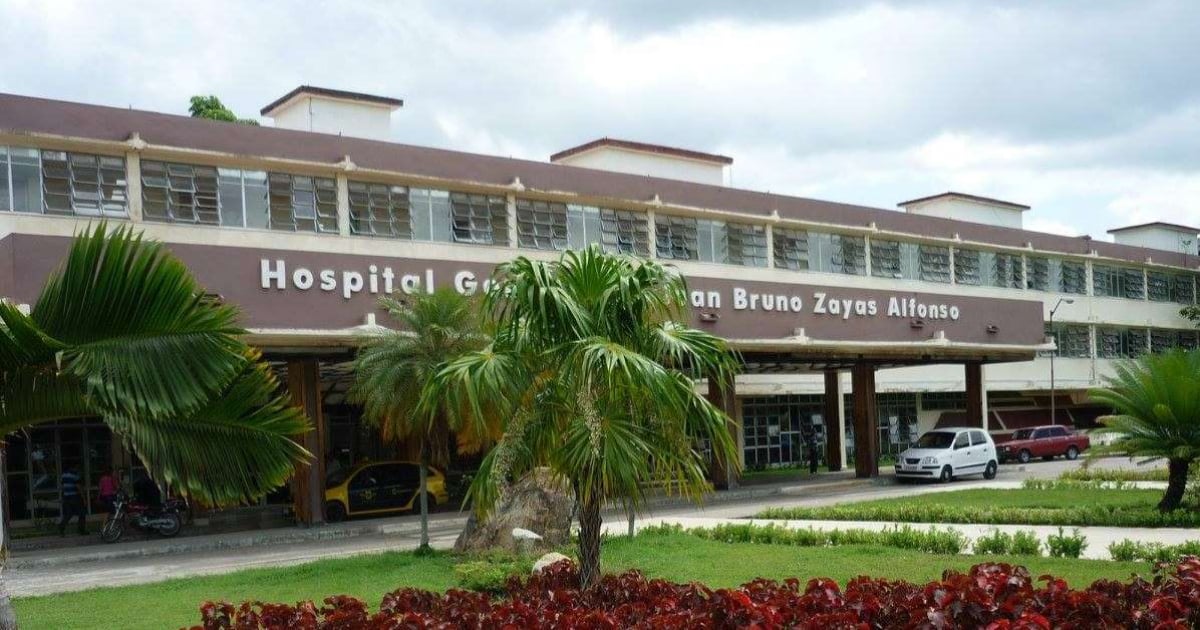
The Cuban regime stated this Monday that the healthcare system in Santiago de Cuba is prepared to face the impact of the powerful Category 5 hurricane Melissa, with preventive measures and medical care in place to protect the population.
However, the report from the official Cuban News Agency (ACN) contrasts with the reality of the Cuban healthcare system, which is undergoing a severe crisis characterized by shortages of supplies, lack of basic medications, and reports of collapse in provincial hospitals.
Additionally, there are the recent viral outbreaks that have overwhelmed health centers and the ongoing migration of specialist doctors, which exacerbates the precariousness of the sector.
While the authorities insist on projecting an image of control and preparedness, the population faces a landscape of uncertainty and deterioration in healthcare, with hospitals barely managing to sustain minimum services due to a shortage of resources and the decay of healthcare infrastructure.
According to a report by ACN, the provincial director of Health, Miguel Ángel Díaz Núñez, stated that working subgroups have been activated in each municipality along with command posts in hospitals and health institutions. Additionally, medical staffing, the supply of medications, and care for vulnerable patients have been strengthened.
The official explained that several pregnant women close to giving birth and women with associated risks were evacuated, as well as breastfeeding mothers with illnesses or a history of low birth weight.
Elderly individuals were also relocated to evacuation centers with medical assistance, and nephrotic patients who depend on hemodialysis treatments were admitted.
Díaz Núñez pointed out that the status of the generators, boilers, and the availability of fuel, water, and essential medicines is constantly being reviewed to maintain emergency services during the hurricane's passage.
In Santiago de Cuba, the healthcare system faces a double threat: that of Hurricane Melissa and a health model that is increasingly deteriorating, leaving medical personnel without sufficient resources to ensure effective care for the population.
A report received at the editorial office of CiberCuba indicated that a doctor from the province stated that hospitals are currently operating with less than 30 percent of the basic medication supply. Furthermore, the local administration is improvising "supply" measures that are more of a showcase to the world than a tangible reality.
In that regard, he emphasized that the provincial health authority, besides making triumphant announcements, is violating protocols, disregarding the rest periods following on-call shifts for specialists, and has also failed to prepare for mitigating the impact of Melissa, mentioning, for example, the mass exodus of residents, which leaves the system extremely vulnerable.
"They are imposing decisions, all to claim that 'the province is prepared,' because they are cornered; there are no medicines, little staff, and they are exhausted. I have had to return to my hospital ward without resting; they are improvising. Until yesterday, we didn't even have dipyrone. How are they capable of lying to the people and saying that we are ready?" the doctor reported.
The context is becoming increasingly tense for the eastern region. In this regard, the National Defense Council declared the Cyclonic Alarm Phase this Monday for the provinces of Guantánamo, Santiago de Cuba, Holguín, Granma, Las Tunas, and Camagüey, due to the imminent approach of Hurricane Melissa, which reached Category 5 on the Saffir-Simpson scale.
According to Informative Note No. 3, published by the Civil Defense on its official Facebook profile, the hurricane has continued to gain intensity, with maximum sustained winds of 260 kilometers per hour and higher gusts, while its central pressure dropped to 917 hectopascals.
Similarly, the Minister of Energy and Mines of Cuba, Vicente de la O Levy, assured this Monday that the lineman brigades are ready to take on the recovery efforts for the electrical system in the eastern region of the country following the passage of Hurricane Melissa.
Filed under: