
Related videos:
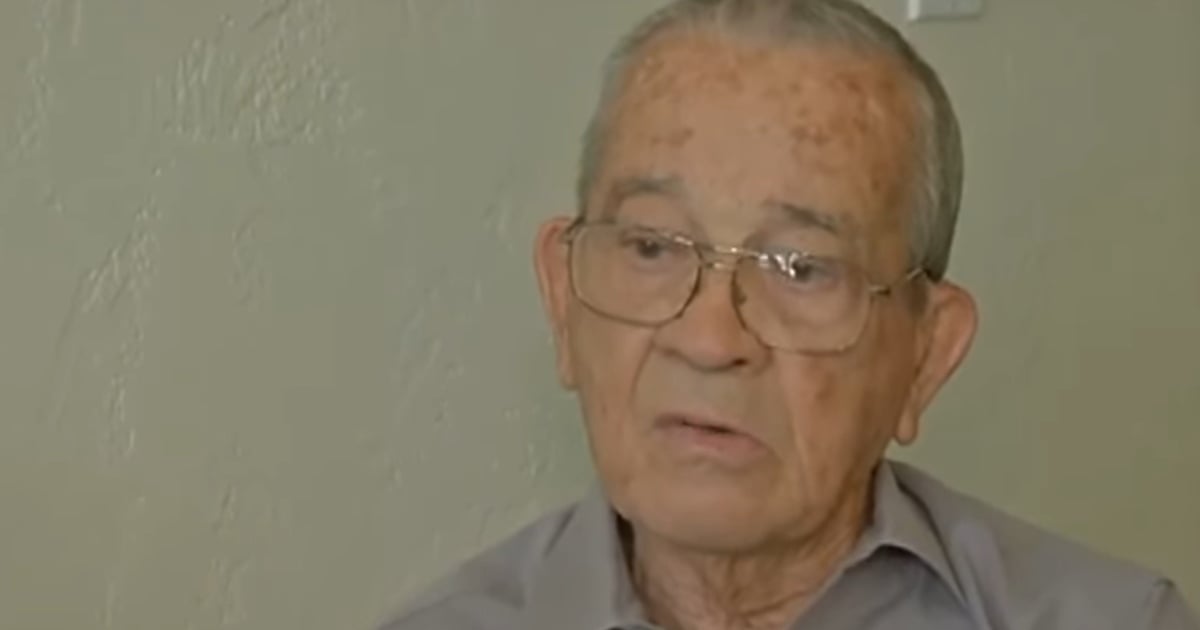
The political prisoner Orlando Castro García, the last surviving member of the attackers on the Moncada and "Carlos Manuel de Céspedes" barracks who went into exile in the United States, passed away this Saturday in Miami at the age of 97, in an assisted living facility in the southwest part of the city.
The news was confirmed by his wife, the former political prisoner Georgina Cid, to Cuban journalist Wilfredo Cancio. Considered by those who knew him as a man of “dignity and unwavering decency”, Castro maintained clarity of mind until the end and an unshakeable conviction in favor of a democratic future for Cuba.
Born on July 14, 1928, in Unión de Reyes (Matanzas), he studied at the School of Commerce in Havana and worked as a financial supervisor for the company Sabatés when Fulgencio Batista's coup led him to become involved in the armed actions of July 26, 1953.
He was one of the 25 assailants of the “Carlos Manuel de Céspedes” barracks in Bayamo, an operation coordinated with the attack on Moncada in Santiago de Cuba.
After the failure, he sought refuge in the Argentine Embassy, traveled with a safe conduct to Costa Rica, and resided in Mexico and Honduras, until his return to Cuba with the amnesty of 1955.
Back on the Island, he broke with Fidel Castro by refusing to join the July 26 Movement due to his disagreements with what he perceived as the undemocratic nature of the project.
After Fidel Castro came to power in 1959, he became involved in opposition activities; in 1961 he was arrested and sentenced to 30 years for conspiracy.
He served 17 years in prison and went into exile in 1979. His wife, Georgina Cid, served 16 years of political imprisonment.
In interviews granted in exile and published by Cancio in Café Fuerte, Castro recalled the adventure of July 26 with critical calm, which he defined as an act of youth “with a lot of passion and little military knowledge”, and reflected on the authoritarian drift of the process that followed Batista's overthrow.
Those who knew him describe him as a sober and tenacious patriot, "a true testament to Cuban identity and love for the homeland."
According to the family notice, the funeral will take place on Tuesday, October 28, at 11:30 AM, at the Opalocka cemetery, with a farewell prayer; a mass in his honor will be held afterward, on a date to be determined.
With his death, a generational chapter closes for those who were direct witnesses and protagonists of the July 26 assaults, who, after the revolution, faced totalitarianism from prison and exile.
Filed under: